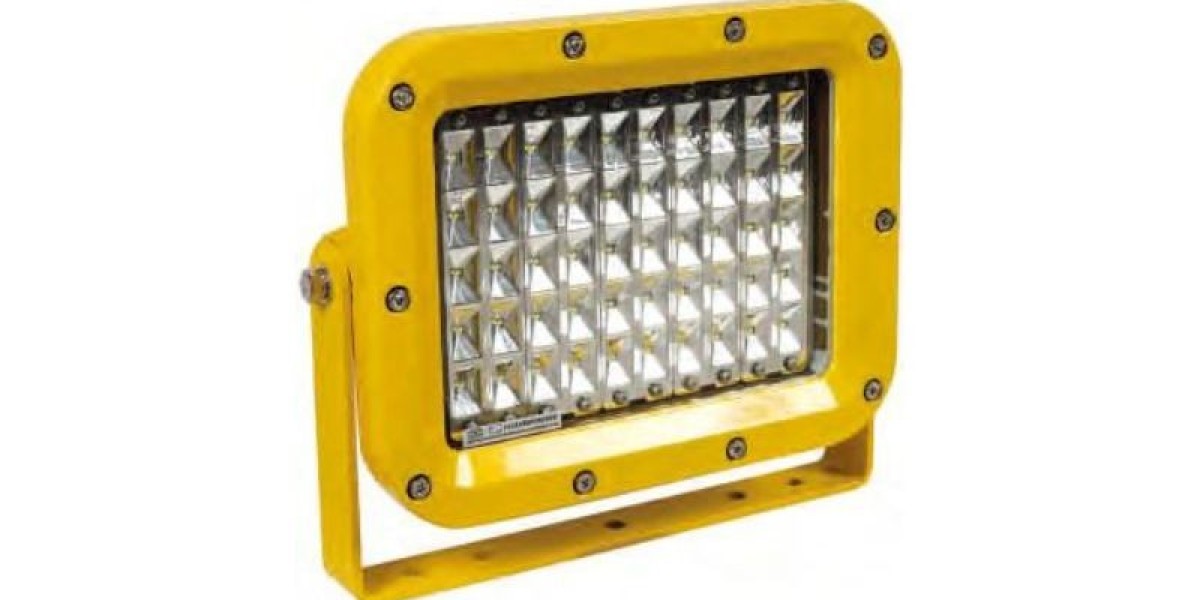

In the maritime industry, safety is paramount, especially when it comes to equipment used in potentially hazardous environments. Shipboard operations often involve areas where flammable gases, vapors, or dusts may be present, making the use of explosion-proof lighting essential. This article highlights the critical importance of safety certification for marine explosion-proof lighting, emphasizing why it is not just a regulatory requirement but a fundamental necessity for ensuring the safety of crew, vessel, and cargo.
Understanding the Risks
Maritime environments are unique in their complexity and potential hazards. Ships, particularly those involved in the transportation of oil, gas, chemicals, and other volatile substances, face significant risks of explosions and fires. These risks are heightened in confined spaces such as engine rooms, cargo holds, and fuel storage areas. In such environments, a single spark from non-compliant lighting equipment can lead to catastrophic consequences, including loss of life, severe injuries, and substantial financial losses.
The Role of Safety Certification
Safety certification for marine explosion-proof lighting is a rigorous process designed to ensure that lighting equipment meets the highest safety standards. Certifications such as ATEX, IECEx, and UL are globally recognized and provide assurance that the products have undergone extensive testing and evaluation to meet specific safety criteria. These certifications cover various aspects, including:
- Explosion-Proof Design: Ensuring that the lighting fixture can withstand an internal explosion without igniting the surrounding atmosphere.
- Material Quality: Verifying that the materials used are robust and resistant to corrosion, which is crucial in the harsh maritime environment.
- Electrical Safety: Confirming that the electrical components are designed to prevent electrical faults that could lead to sparks or overheating.
- Environmental Resistance: Testing the ability of the lighting to function reliably in extreme conditions, such as high humidity, salt spray, and temperature variations.
Ensuring Compliance with International Standards
In the global maritime industry, compliance with international standards is not just a recommendation but a mandatory requirement. Many countries and maritime authorities, such as the International Maritime Organization (IMO), enforce strict regulations regarding the use of explosion-proof lighting on ships. These regulations are in place to standardize safety practices across the industry and ensure that all vessels meet minimum safety requirements.
For shipowners and operators, using certified explosion-proof lighting is essential for obtaining necessary certifications like the International Ship and Port Facility Security (ISPS) Code and for passing port state control inspections. Non-compliance can result in severe penalties, including fines, vessel detention, and operational delays.
Protecting Crew and Cargo
The primary purpose of safety certification for marine explosion-proof lighting is to protect human life and property. Certified lighting fixtures significantly reduce the risk of explosions and fires, thereby safeguarding the crew, the vessel, and its cargo. In the event of an emergency, reliable lighting is crucial for maintaining visibility and facilitating safe evacuation procedures.
Moreover, using certified explosion-proof lighting enhances the overall safety culture on board. It demonstrates a commitment to safety and compliance, which can boost crew morale and confidence in their working environment.
Conclusion
Safety certification for marine explosion-proof lighting is not merely a bureaucratic formality; it is a vital component of maritime safety. By ensuring that lighting equipment meets stringent safety standards, shipowners and operators can significantly reduce the risk of catastrophic incidents. Compliance with international certifications such as ATEX, IECEx, and UL not only meets regulatory requirements but also protects lives, assets, and the environment. In the maritime industry, where safety is non-negotiable, choosing certified explosion-proof lighting is a decision that should never be compromised.