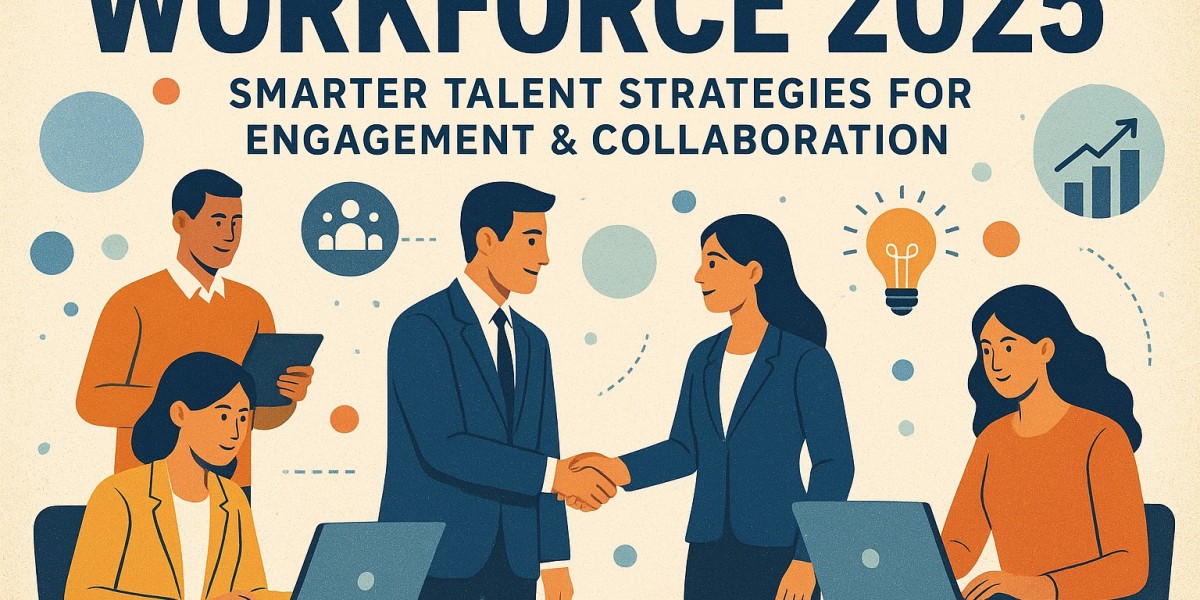

The workplace is entering a defining era as organizations prepare for 2025. Accelerated digital transformation, shifting workforce expectations, and increasing economic uncertainty are forcing leaders to rethink how they attract, engage, and retain talent. Traditional HR models focused on stability and standardization are no longer effective in a world that demands agility, inclusivity, and continuous learning. To remain competitive, organizations must redesign talent strategies with a human-centered and future-ready approach.
Moving Toward Adaptive Work Models
One of the most significant shifts shaping the modern workplace is the evolution of work models. While hybrid work has become the norm, many organizations still struggle with rigid policies and trust-based challenges. The future lies in adaptive work environments that prioritize outcomes over physical presence. Flexible arrangements tailored to job roles and employee needs empower teams to work more efficiently while maintaining collaboration and accountability.
AI as a Catalyst for Workforce Evolution
Artificial intelligence continues to redefine how work gets done, but its true value lies in augmentation rather than replacement. AI is transforming job roles by automating repetitive tasks and enabling employees to focus on creativity, strategic thinking, and problem-solving. To unlock this potential, organizations must invest in reskilling and upskilling initiatives that prepare employees for evolving roles.
Embedding Diversity, Equity, and Inclusion
Diversity, equity, and inclusion are no longer optional initiatives but strategic business priorities. Organizations that integrate DEI into leadership development, hiring practices, and performance management foster innovation and stronger decision-making. Inclusive cultures encourage diverse perspectives and help employees feel valued, leading to higher engagement and better organizational performance.
Rethinking Talent Shortages
Despite widespread concerns about talent shortages, the real challenge often lies in outdated workforce planning methods. Many organizations overlook internal talent potential while focusing heavily on external hiring. Skill-based hiring and proactive workforce planning enable businesses to develop capabilities from within, reducing turnover and strengthening long-term workforce resilience.
Addressing Burnout Through Better Work Design
Employee burnout remains a critical challenge and cannot be resolved through perks alone. Burnout often stems from unclear expectations, excessive workloads, and limited psychological safety. Organizations must focus on thoughtful work design, open communication, and realistic performance standards to create healthier and more sustainable work environments.
Leveraging HR Technology for Impact
HR technology plays a vital role in modern talent strategies, but its effectiveness depends on how it is used. Rather than focusing solely on automation, organizations should invest in tools that enhance collaboration, engagement, and workforce intelligence. Data-driven insights and real-time feedback systems enable smarter decision-making and improved employee experiences.
For More Info: https://hrtechcube.com/rethinking-talent-strategies-workplace-2025/
Conclusion
Leadership expectations are evolving rapidly as employees seek purpose-driven and empathetic leaders. The leaders of 2025 will succeed by building trust, encouraging collaboration, and supporting continuous growth. Emotionally intelligent leadership fosters innovation and helps organizations navigate ongoing change with confidence.