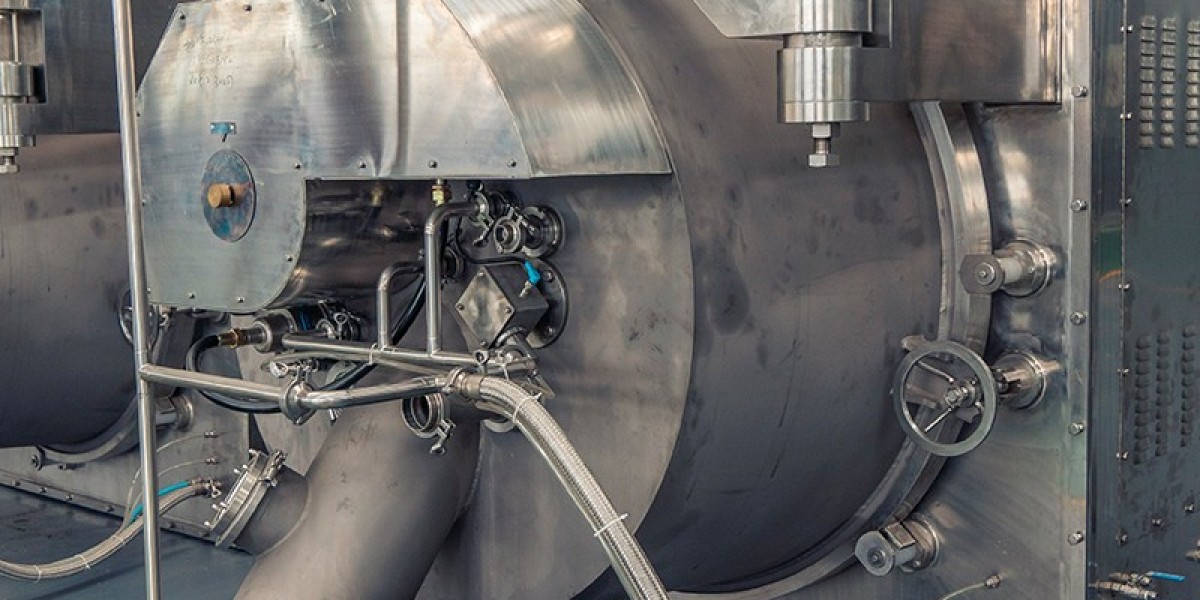

In the world of industrial processing, the significance of centrifuges cannot be overstated. These powerful machines are essential for efficiently separating solid materials from liquids, playing a crucial role in various sectors such as pharmaceuticals, food and beverage, and wastewater treatment. As industries strive for increased efficiency and sustainability, the demand for high-performance centrifuges continues to grow, making them the backbone of solid-liquid separation processes.
Understanding Centrifuges and Their Applications
Centrifuges operate on the principle of centrifugal force, which enables them to separate components of different densities. By spinning mixtures at high speeds, centrifuges can effectively segregate solids from liquids, allowing for the recovery of valuable materials and the disposal of waste. This capability is particularly vital in industries like pharmaceuticals, where the purity of products is paramount. Centrifuges are employed to clarify solutions, isolate cell components, and even recover biological materials, ensuring that the final products meet stringent quality standards.
The Advantages of Using Centrifuges
One of the primary advantages of centrifuges is their efficiency. Unlike traditional separation methods, which can be time-consuming and labor-intensive, centrifuges provide rapid processing times, significantly reducing operational costs. Furthermore, modern centrifuges are designed with advanced technology that enhances their performance and reliability. Features such as automated controls and real-time monitoring systems contribute to improved accuracy and consistency in separation processes.
Additionally, centrifuges are versatile machines that can handle a wide range of materials. Whether dealing with viscous slurries or delicate biological samples, there is a centrifuge designed to meet specific processing needs. This adaptability makes them an invaluable asset across various industries, from food production to environmental management.
Selecting the Right Centrifuge for Your Needs
When considering the purchase of a centrifuge, it is essential to evaluate the specific requirements of your operation. Factors such as the type of materials being processed, the desired separation efficiency, and the scale of production all play a critical role in determining the best centrifuge for your needs. Consulting with experts in the field can provide valuable insights into selecting the most suitable model, ensuring optimal performance and return on investment.
Innovations in Centrifuge Technology
The centrifuge industry is continually evolving, with innovations aimed at enhancing efficiency and sustainability. Recent advancements include energy-efficient designs that reduce power consumption and eco-friendly materials that minimize environmental impact. Moreover, the integration of smart technology into centrifuge systems allows for better data collection and analysis, enabling operators to optimize processes and improve overall productivity.
Conclusion
In summary, centrifuges are indispensable tools in the realm of solid-liquid separation. Their ability to provide efficient, reliable, and versatile solutions makes them a cornerstone of modern industrial processes. As industries continue to prioritize efficiency and sustainability, investing in high-quality centrifuges will undoubtedly yield significant benefits, positioning businesses for success in an increasingly competitive market.