
Understand Residential Plumbing Needs for PVC Fittings
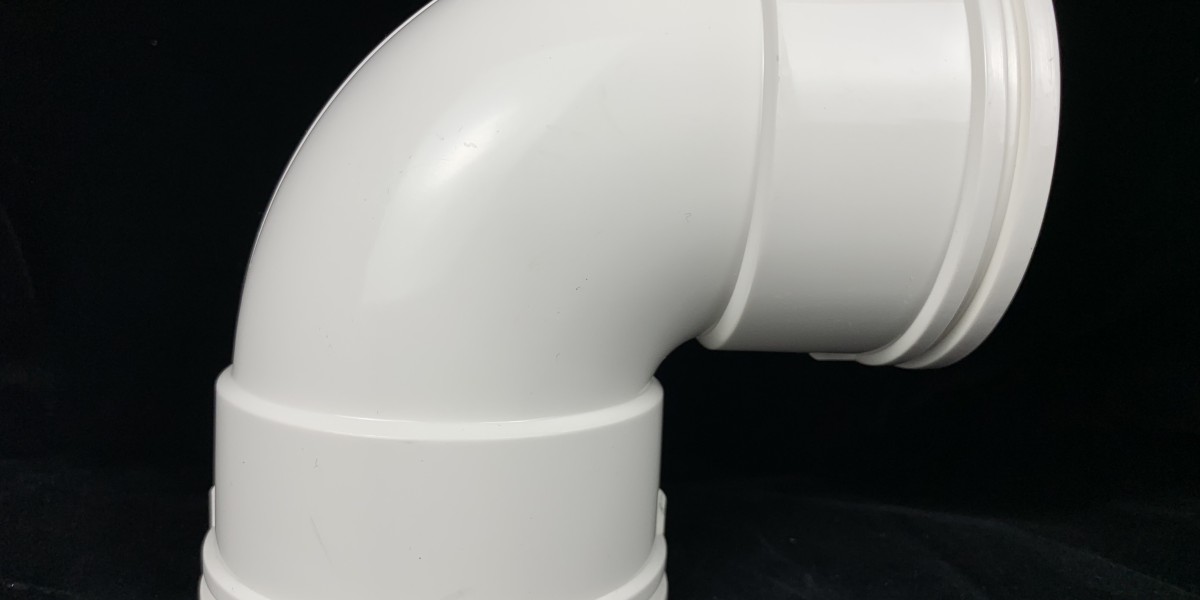
When it comes to residential plumbing, choosing the right PVC pipe fittings is more critical than many homeowners realize. These small but essential components connect pipes seamlessly, ensuring water flow efficiency and preventing leaks that can lead to costly damages. First, assess your specific needs: Are you installing a new drainage system, repairing a broken fitting, or upgrading your home’s water supply lines? Different tasks require different types of PVC fittings—for example, drainage systems often need slip-on fittings for easy assembly, while water supply lines may require threaded fittings for a tighter seal. Also, consider the water pressure and temperature in your home. Residential PVC fittings from trusted manufacturers are designed to handle standard household conditions, but it’s important to confirm compatibility with your existing pipes. By starting with a clear understanding of your project’s requirements, you can narrow down options and avoid unnecessary purchases.
Prioritize Quality and Material Integrity of PVC Fittings
Quality should never be compromised when selecting PVC pipe fittings for residential use. Low-quality fittings are prone to cracking, leaking, or deteriorating over time, which can result in water damage, mold growth, and frequent replacements. Look for fittings made from high-grade PVC material that meets industry standards—this ensures durability and resistance to corrosion, chemicals, and daily wear. Reputable manufacturers adhere to strict quality control processes, using 100% premium raw materials to produce fittings that offer long-lasting performance. Additionally, check for certifications that validate the product’s reliability, such as compliance with international quality management systems. Investing in quality PVC fittings not only saves you money in the long run but also provides peace of mind knowing your home’s plumbing system is built to last.
Ensure Proper Size and Compatibility of PVC Fittings
One of the most common mistakes homeowners make is choosing PVC pipe fittings that don’t match the size of their pipes. Ill-fitting fittings can cause leaks, reduce water pressure, and even lead to system failure. Before purchasing, measure the diameter of your existing pipes accurately—this includes both the outer and inner dimensions, as different pipe types may have varying measurements. Most residential PVC pipes and fittings follow standard sizing, but it’s always wise to cross-verify with the manufacturer’s specifications. Compatibility is another key factor: Ensure the fittings are designed for your specific pipe type (e.g., UPVC for drainage, PVC for water supply). Additionally, consider the connection method—whether it’s solvent welding, compression, or push-fit—to ensure it aligns with your installation skills and project needs. Taking the time to confirm size and compatibility will save you from headaches during installation.
Consider Practicality and After-Sales Support
Residential PVC pipe fittings should not only be functional but also practical to install and maintain. Look for fittings that come with clear installation instructions, especially if you’re a DIY homeowner. Fittings with user-friendly designs, such as easy-to-align ports or secure locking mechanisms, can simplify the installation process and reduce the risk of errors. Additionally, consider the availability of replacement parts and after-sales support. A reliable manufacturer will offer responsive customer service to address any questions or issues you may have after purchase. Whether you need help with installation troubleshooting or want to replace a worn-out fitting, having access to support ensures a smooth experience. Practicality also extends to the fitting’s design—opt for products that are easy to clean and resistant to clogs, especially for drainage systems, to minimize maintenance efforts.
Conclusion
Selecting suitable PVC pipe fittings for residential use requires a balance of understanding your needs, prioritizing quality, ensuring size compatibility, and considering practicality. By focusing on these key factors, you can choose fittings that enhance the performance and reliability of your home’s plumbing system, while avoiding costly repairs and replacements. High-quality PVC fittings not only provide a secure and leak-free connection but also offer long-term durability, making them a smart investment for any homeowner. Whether you’re tackling a small repair or a full plumbing upgrade, taking the time to choose the right fittings will pay off in terms of functionality, peace of mind, and overall value.