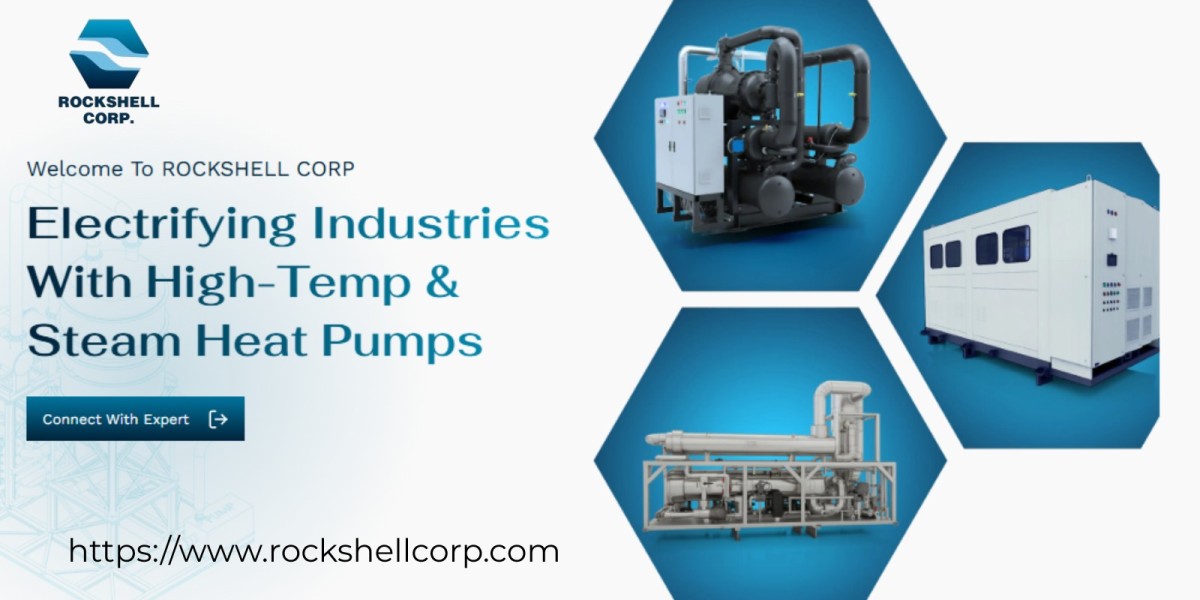

In today’s energy-intensive industrial world, maximizing efficiency is no longer optional, it's essential. One of the most powerful technologies driving that shift is the waste heat recovery heat pump, a system designed to capture and reuse heat that would otherwise be lost. Choosing the right waste heat recovery heat pump manufacturer can dramatically reduce energy costs, enhance operational efficiency, and support sustainability goals. By turning low-grade waste heat into usable thermal energy, these systems are transforming the way industries approach energy consumption.
Understanding Waste Heat and Its Untapped Potential
Every industrial process, from manufacturing to chemical production and power generation, creates heat. A significant portion of this heat is expelled into the environment through exhaust gases, cooling towers, or wastewater. Traditionally, this energy was simply wasted, contributing to inefficiencies and higher fuel consumption.
Waste heat recovery systems bridge this gap. They capture heat that would otherwise dissipate, and convert it into usable thermal energy often without additional fuel. When integrated with a waste heat recovery heat pump, this otherwise lost energy becomes a valuable resource, able to pre-heat process fluids, power heating systems, or supply space heating.
Heat Pumps: A Smarter Way to Reuse Heat
A heat pump is a device that transfers heat from a lower-temperature source to a higher-temperature destination using mechanical work often electricity. In waste heat recovery applications, heat pumps take captured low-grade heat (e.g., 40–80 °C) and “upgrade” it to a higher temperature suitable for industrial reuse.
The efficiency of this process is measured by the Coefficient of Performance (COP) — a ratio of useful heat output to the energy input. Waste heat recovery heat pumps often achieve COPs greater than heat systems based on combustion, meaning they deliver more usable energy for each unit of input.
Key Ways Waste Heat Recovery Heat Pumps Boost Efficiency
1. Reducing Fuel Consumption
By utilizing captured waste heat, industrial facilities need less additional energy from combustion or electricity to meet their heating needs. This directly lowers fuel consumption and operating costs. For example, in boiler feedwater pre-heating, using recovered heat can reduce the amount of fuel needed for steam generation by up to 30% or more.
2. Lowering Carbon Emissions
Because waste heat recovery heat pumps reduce reliance on fossil fuels, they also help lower greenhouse gas emissions. Industries with high heat demands such as food processing, pulp and paper, or chemical plants see a direct reduction in CO₂ output when waste heat is reused instead of wasted. This supports corporate sustainability goals and regulatory compliance.
3. Enhancing System Performance
Using waste heat to pre-heat liquids or air improves the overall efficiency of heating systems. Heat pumps operate well even with low-temperature sources, meaning that a larger range of waste heat streams can be harnessed. This enhances the performance of downstream equipment by reducing thermal stress and enabling smoother temperature control.
4. Cost Savings Through Energy Recovery
While the initial investment in waste heat recovery heat pumps may seem significant, the long-term savings often outweigh upfront costs. Savings come from reduced energy bills, lower maintenance costs due to less wear on conventional heaters, and potential incentives or rebates for energy efficiency projects.
5. Supporting Circular Energy Use
In industrial sustainability frameworks, circular energy use where energy streams are reused within the system is a key principle. Waste heat recovery heat pumps are central to this approach, creating closed-loop systems where heat is continuously recycled, reducing leakage and environmental impact.
Where Waste Heat Recovery Heat Pumps Deliver the Most Impact
Industries that commonly benefit from waste heat recovery heat pumps include:
- Manufacturing plants – Reusing process heat for drying, curing, or cleaning processes.
- Chemical and petrochemical industries – Recovering heat from reactors and distillation columns.
- Food and beverage processing – Using heat for pasteurization, sterilization, and product heating.
- Textile mills – Reclaiming energy from dyeing, finishing, and drying operations.
- Power plants – Recovering waste heat from generators and turbines.
In each case, the key is to evaluate where waste heat exists and how heat pumps can upgrade that energy for reuse. This makes collaboration with an experienced waste heat recovery heat pump manufacturer crucial for design, selection, and installation.
Choosing the Right Manufacturer
Not all heat pumps are built the same. A reputable waste heat recovery heat pump manufacturer should be able to assess your facility’s heat profile, recommend an optimized system, and support integration with your existing processes. Look for features like:
- High COP values for maximum efficiency
- Robust design for industrial environments
- Compatibility with variable heat sources
- Strong service and maintenance support
Working with a knowledgeable manufacturer ensures the system delivers strong ROI and contributes meaningfully to both energy savings and sustainability objectives.
Conclusion
Waste heat is one of the most underutilized resources in industrial operations. Through advanced waste heat recovery heat pumps, facilities can convert this latent energy into productive use, driving both economic and environmental benefits. Whether your goal is to cut energy costs, reduce emissions, or improve operational efficiency, investing in waste heat recovery technology is a strategic move toward a more sustainable and energy-efficient future.