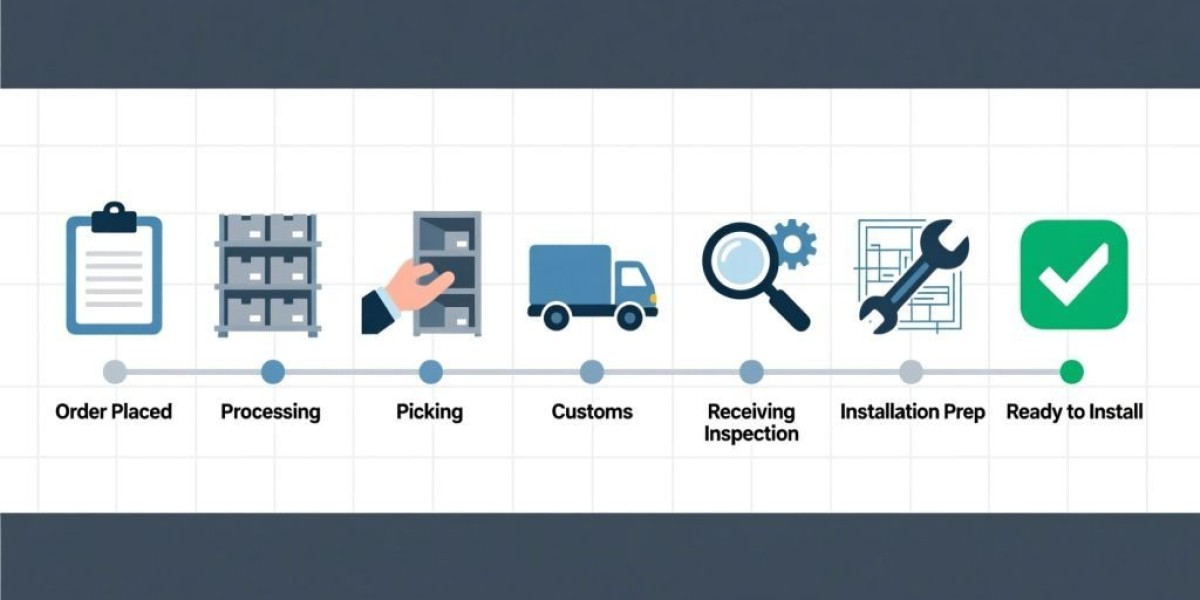

In the fast-paced world of heavy machinery operations, lead times often operate behind the scenes, yet they wield considerable influence over the efficiency and productivity of your maintenance processes. Lead time, defined as the interval from placing an order to having a part ready for installation, may not be the most glamorous aspect of maintenance, but it is undeniably critical. By effectively managing lead times, you can transform your maintenance strategy from a reactive scramble to a proactive plan that minimizes downtime and maximizes productivity.
The Critical Role of Lead Times in Maintenance
When a pin, hydraulic hose, or gearbox fails, the impact extends far beyond the loss of a single component. Productivity halts, planned work is disrupted, and safety margins are compromised. A short lead time offers the flexibility to schedule repairs around crew availability and weather conditions, ensuring minimal disruption. Conversely, a long lead time forces improvisation, such as temporary fixes, risky substitutions, or expensive rush shipments. Understanding typical lead times for the parts you use most frequently is key to moving from a reactive to a proactive maintenance approach.
Factors That Extend Delivery Time
Several practical realities can extend lead times. Complex or custom components take longer to fabricate compared to common fasteners. If a part is not in stock with your supplier or the original equipment manufacturer (OEM), sourcing can add significant delays. International shipments introduce customs procedures and potential delays. Even verification steps, such as checking authenticity and matching serial numbers to models, can add minutes that accumulate into days. Seasonal demand spikes or global supply chain fluctuations can also push delivery windows further out. The good news is that most of these factors are predictable once you start tracking them.
Prioritizing Parts by Impact
You don't need a sophisticated model to determine which parts require attention. Classify components based on how their failure affects work and safety. Parts that carry load, control motion, or directly impact lifting should be your highest priority for spares and rapid replacement. Components that affect performance but are not immediately dangerous come next, followed by cosmetic or nonessential items. This simple prioritization helps you decide which parts to keep on-site, which to order in advance, and which can wait for normal delivery. It's about reducing risky surprises rather than achieving perfection.
Leveraging Historical Data for Strategic Insights
Maintenance logs are a treasure trove of information. By examining which parts have failed repeatedly and identifying patterns by season or duty cycle, you can gain valuable insights. Even a basic spreadsheet recording part numbers, failure dates, and actual lead times can reveal patterns quickly. These insights enable you to size minimum orders and choose reorder points based on reality rather than guesswork. Knowing that a certain bearing tends to fail during the wet season allows you to plan a preemptive replacement or order a spare before it becomes urgent.
Partnering with Your Crane Parts Supplier
A trusted crane parts supplier is more than just a vendor; they are a strategic partner. Share information about the machines you operate and their criticality. Provide serial numbers and usage patterns so your supplier can advise which parts are safe to stock locally and which are long-lead items. Seek realistic delivery windows and historical averages rather than optimistic promises. A good supplier will highlight alternates, confirm the availability of genuine Manitowoc parts, and warn you about seasonal constraints. If your supplier cannot provide specific delivery time estimates, consider finding one who can. Transparency saves time and frustration.
Strategic Spare Parts Management
Holding spares is not about hoarding; it's about ensuring the right items are available when lead times are long. For common, low-cost items like fasteners and simple seals, maintain a rotating stock that you replenish as you use it. For mid-value items such as bearings or hydraulic cylinders, keep a small number per critical machine. For true long-lead items, consider having one spare per fleet or negotiating consignment stock with your supplier. These strategic choices reduce the pressure to accept risky temporary fixes when something breaks.
Negotiating Agreements to Mitigate Risk
If certain parts are critical to your operations, consider arrangements that reduce lead time risk. Preferred supplier agreements, consignment inventory, or vendor-managed inventory can provide faster access to parts in exchange for a commitment. While these options come at a cost, they offer predictable availability and lower downtime costs. Think of them as insurance: you pay more upfront to avoid catastrophic disruptions.
Considering the Entire Timeline
Lead time does not end at delivery. Include receiving inspection, pre-install checks, and any calibration or testing in your schedule. If installation requires special tools, jigs, or OEM sign-off, factor that in as well. A part might arrive on time but not be service-ready until after several hours of preparation. Plan for this, and your "available" date will reflect reality.
Emergency Preparedness
Emergencies are inevitable, but having a contingency plan in place can mitigate their impact. Your plan should include approved temporary repairs, vetted local repair shops, and clear guidelines for when to use paid rush shipping. Temporary fixes must be safe and documented; they buy time, not a permanent solution. Local repair shops can sometimes rebuild Manitowoc parts faster than waiting for a replacement, but only if they adhere to OEM repair standards. Establish these contacts and procedures before you need them.
Leveraging Technology
You don't need complex software to improve ordering efficiency. A shared digital catalog or a basic inventory spreadsheet accessible to staff can reduce manual errors and speed up communication with suppliers. If your crane parts supplier offers an online portal with stock levels and lead-time estimates, utilize it. Digital ordering reduces phone tag and provides reliable timestamps for planning.
Continuous Improvement
Regularly track how often suppliers meet their estimates and how much actual lead times vary. If a vendor consistently misses delivery dates, address the issue or consider switching suppliers. Periodically review parts that cause the most downtime and adjust your spares and sourcing strategy accordingly. Supply chains are dynamic; what worked last year may not work today. A quarterly review of orders, arrivals, and failures keeps your plan current.
The Importance of Record-Keeping
Log every order, including part number, machine serial number, date ordered, promised delivery, actual arrival, and installation date. Note any quality issues or discrepancies. This record not only aids with warranty and claims but also reveals trends. Over time, you'll spot creeping lead times or recurring fulfillment problems before they escalate into operational headaches.
Conclusion
Lead times are a significant constraint, but they don't have to be a surprise. Treat them like any other operating parameter: measure them, plan around them, and work with trusted partners who provide clear, realistic information. Keep critical spares, align expectations with your crane parts supplier, and incorporate receiving and installation into your schedule. By doing so, you'll turn long waits into manageable windows and keep your cranes working when it matters most.