
Fire emergencies can happen anywhere—at home, in offices, workshops, warehouses, kitchens, or industrial zones. But not all fires are the same. Each fire behaves differently depending on the fuel involved, and using the wrong fire extinguisher can make the fire worse or even cause severe injury. That’s why understanding different types of fires and which extinguisher to use is one of the most important parts of fire safety.
In this article, you’ll learn how to identify fire classes, the right extinguisher for each fire type, and how to respond safely and responsibly during an emergency.
Why Knowing Fire Types Is Important
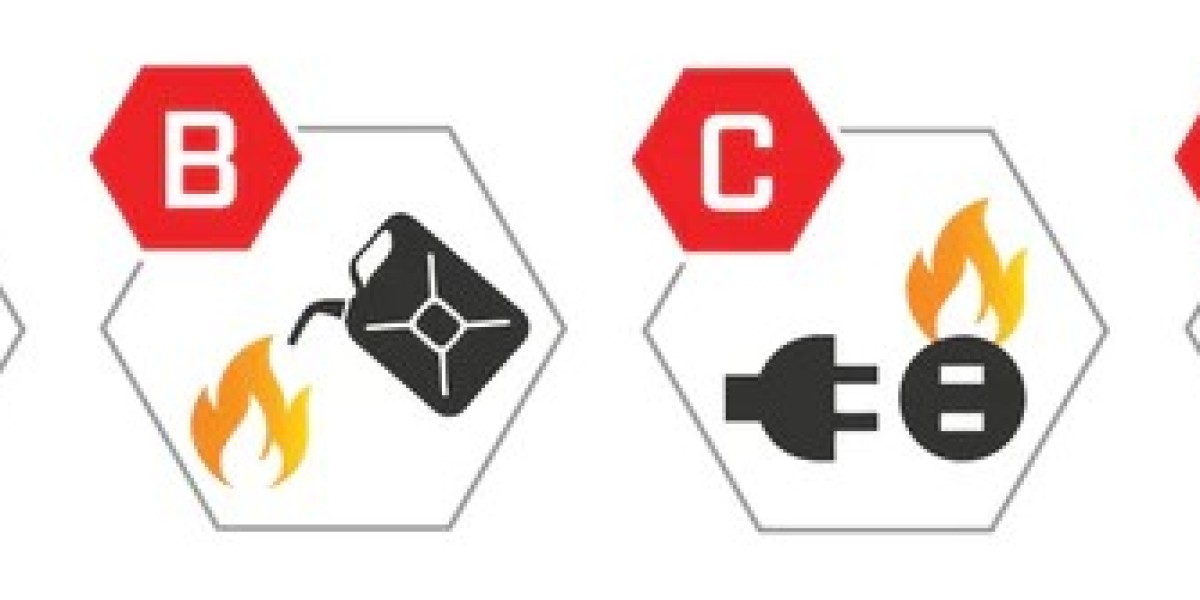
Fire safety experts classify fires into specific classes of fire—A, B, C, D, E, and F. Each type needs a different extinguishing agent. Using water on an oil fire or an electrical fire can be extremely dangerous. Similarly, using a powder extinguisher on sensitive electronics can damage equipment.
By understanding the correct extinguisher for each fire, you can respond quickly and prevent minor incidents from turning into major disasters.
Fire Class A: Solid Fires (Wood, Paper, Cloth)
Common Causes
- Short circuits igniting furniture
- Burning garbage
- Paper fires
- Fire in wooden materials
- Spark on fabric or clothing
Right Extinguisher to Use
- Water Extinguishers
- Foam Extinguishers (AFFF)
- ABC Dry Powder Extinguishers
How to Handle
Class A fires are among the easiest to control because they involve simple combustibles. Water extinguishers cool down the burning material and stop the flame from spreading. Foam also works well by cooling and forming a blanket over the fire. ABC dry powder is ideal for general environments like homes and offices.
Avoid: CO₂ extinguishers—they do not cool solid materials enough to stop re-ignition.
Fire Class B: Flammable Liquid Fires (Petrol, Diesel, Paint, Chemicals)
Common Causes
- Fuel spills catching fire
- Paint shop incidents
- Chemical storage ignition
- Oil containers overheating
Right Extinguisher to Use
- Foam Extinguishers (AFFF)
- CO₂ Extinguishers
- Dry Chemical Powder Extinguishers (BC/ABC powder)
How to Handle
Class B fires spread very fast because liquids burn aggressively. Foam extinguishers are the most effective because they create a film on top of the burning liquid to prevent re-ignition. CO₂ works by suffocating the fire but may not cool the surface enough, so foam is preferred. Dry powder is a good backup option.
Avoid: Water extinguishers—water spreads the burning liquid and makes the fire worse.
Fire Class C: Flammable Gas Fires (LPG, CNG, Propane)
Common Causes
- LPG cylinder leaks
- CNG pipe leaks
- Gas stove bursts
- Industrial gas line failures
Right Extinguisher to Use
- Dry Chemical Powder Extinguishers (ABC or BC powder)
How to Handle
Gas fires are extremely dangerous because they can cause explosions. The first step is always to shut off the gas supply if possible. Then use a dry powder extinguisher, which interrupts the chemical reaction of the fire instantly.
Avoid: CO₂ and foam—they will not control gas fires effectively.
Fire Class E: Electrical Fires (Short Circuits, Wiring, Equipment)
Common Causes
- Faulty wiring
- Overloaded sockets
- Burning appliances
- Server room overheating
- Electrical panel sparks
Right Extinguisher to Use
- CO₂ Extinguishers
- ABC Dry Powder Extinguishers
How to Handle
Electrical fires must never be treated with water or foam because of the risk of electrocution. CO₂ is the safest because it leaves no residue and is non-conductive—perfect for server rooms, computers, and electrical control panels. Dry powder also works but leaves residue that may harm electronics.
Avoid: Water-based extinguishers—they can cause electrical shock.
Fire Class D: Metal Fires (Magnesium, Titanium, Sodium)
Common Causes
- Industrial workshops
- Factories with magnesium tools
- Chemical labs
- Metal grinding sparks
Right Extinguisher to Use
- Specialized Class D Metal Fire Extinguishers
How to Handle
Metal fires burn at extremely high temperatures and react violently with water. Only specialized metal powder extinguishers should be used, usually found in industrial and chemical environments.
Avoid: Water, foam, CO₂—these can trigger explosions.
Fire Class F/K: Cooking Oil & Grease Fires (Kitchens)
Common Causes
- Deep fryer oil
- Pan fire
- Restaurant kitchen accidents
- Overheated cooking oil
Right Extinguisher to Use
- Wet Chemical Extinguishers (Class F)
How to Handle
Kitchen fires involving oil are common but extremely dangerous. Water causes the oil to splatter and expand, resulting in fireballs. Wet chemical extinguishers cool the oil and form a foam layer to prevent re-ignition.
Avoid: Water and CO₂—they worsen kitchen fires.
Conclusion
Handling fires safely starts with understanding the fire class and using the correct fire extinguisher. Whether you’re protecting a home, office, shop, restaurant, or industrial unit, knowing the right extinguisher can prevent injuries, save property, and stop disasters before they spread. Regular fire extinguisher maintenance, inspection, and refilling are equally important to ensure they work when you need them most.