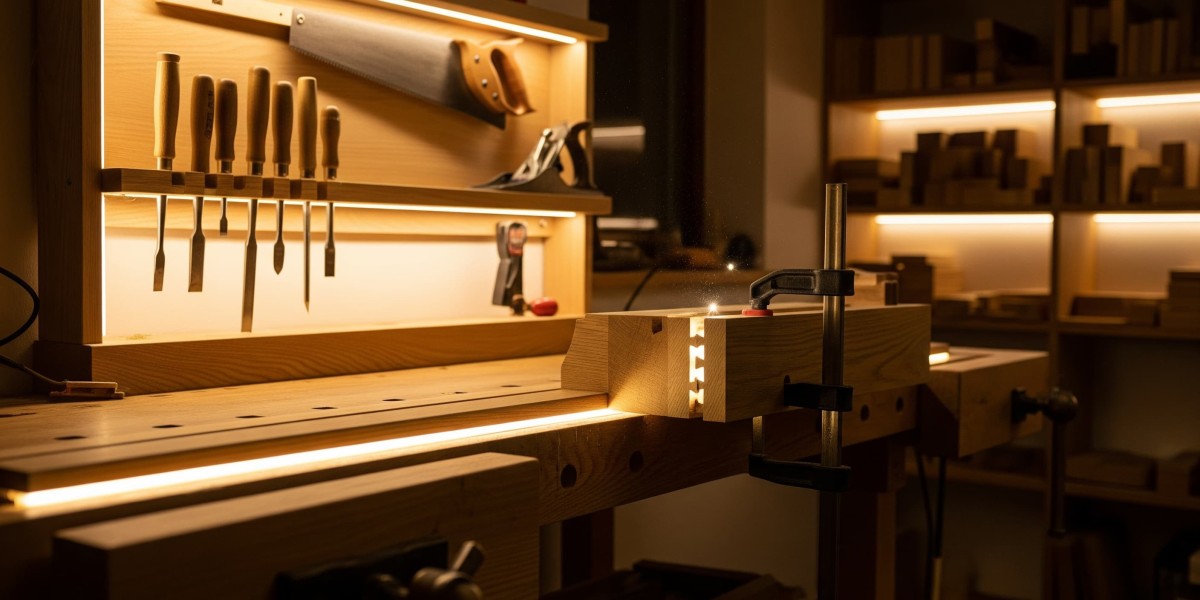

There's a quiet revolution happening in our homes, offices, and commercial spaces. It’s not about a bold new color trend or a radical piece of furniture. Instead, it’s about the light itself or, more precisely, about where the light comes from. We're moving away from the light fixture as a standalone object and toward light as an integrated element of the architecture. This is the world of Joinery LED Lights, a design approach where illumination is seamlessly embedded within the built environment, creating effects that feel both magical and intentional. It’s the art of hiding the source to reveal the beauty of the space.
Gone are the days when lighting was merely functional. Today, it’s a fundamental layer of interior design, capable of shaping mood, defining zones, and highlighting craftsmanship. Joinery lighting sits at the pinnacle of this philosophy. It represents a marriage between the precision of cabinetmaking and carpentry and the sleek, efficient technology of modern LED strips and profiles. The result is an environment that feels cohesive, sophisticated, and effortlessly illuminated.
What Exactly Are Joinery LED Lights?
Let's demystify the term. "Joinery" refers to the fine woodworking or construction involved in creating cabinets, shelves, alcoves, staircases, and built-in furniture. Joinery LED lighting, therefore, is the practice of integrating linear LED light strips or modules directly into these constructed elements. The lights are concealed within grooves, channels, or recesses, often hidden behind a lip or a diffuser. When switched on, the light emerges as a pure, even glowa ribbon or wash of lightwithout revealing the diodes or the wiring behind it.
Think of it like this: instead of a pendant light hanging over your kitchen island, imagine a soft, continuous band of light emanating from the underside of the upper cabinets, gracefully illuminating the countertop below. Instead of a floor lamp next to your bed, picture a gentle radiance spilling from a recessed channel at the base of your headboard or from within a floating shelf. The light is part of the structure itself.
The Tools of the Trade: Profiles, Strips, and Diffusers
Achieving this clean, professional look requires specific components. Understanding them will help you envision the possibilities for your own space.
LED Strip Lights: These are the flexible, adhesive-backed ribbons packed with tiny LEDs. They come in various color temperatures, from warm white to cool daylight, and some offer tunable white or even color-changing capabilities. Their flexibility allows them to be fitted into tight spaces and run along curves.
Aluminum Profiles (Channels): This is the true secret to a polished finish. These are extruded aluminum tracks that the LED strip snaps into. They serve multiple crucial purposes. First, they act as a heat sink, drawing heat away from the LEDs to ensure a longer lifespan and consistent performance. Second, they provide a rigid, straight housing for the strip, preventing wonky light lines. Most importantly, they are designed to hold a diffuser.
Diffusers: The final piece of the puzzle. These are covers, typically made of milky or clear polycarbonate, that snap onto the aluminum profile. Their job is to scatter the light from the individual LED dots, transforming a string of distinct points into a smooth, uniform, and glare-free line of illumination. They are what give joinery lighting its signature seamless quality.
Transforming Spaces: Key Applications of Joinery Lighting
The applications for this technique are nearly limitless, but some have become classics of modern design.
Kitchen Cabinet Lighting: This is perhaps the most popular and practical use. Under-cabinet lighting is a revelation for anyone who has ever chopped vegetables in their own shadow. It provides perfect task lighting for food prep. In-cabinet lighting inside glass-fronted units turns dishware into a display. Plinth or toe-kick lighting, installed at the base of floor cabinets, creates a beautiful floating effect that makes the entire kitchen feel lighter and more spacious.
Wardrobe and Closet Illumination: Open up a wardrobe and experience the disappointment of a dark interior no more. LED strips integrated into the shelves and hanging rails provide complete visibility, turning the daily search for an outfit into a pleasant experience. Motion sensors can make this feature feel particularly luxurious.
Architectural Highlighting: This is where joinery lighting becomes pure artistry. It can be used to outline a feature wall, drawing the eye to textured plaster or a special paint finish. It can be installed along coving or tray ceilings to create an ambient uplight that makes the ceiling appear higher. It can be run along the length of a staircase handrail or embedded into stair treads for both safety and dramatic effect.
Furniture Integration: Designers and DIY enthusiasts are bringing this concept into freestanding and built-in furniture. Imagine a floating bedside shelf with a soft glow from beneath, eliminating the need for a harsh table lamp. A home office desk can have integrated task lighting. A media console can feature a backlight that reduces screen glare and adds depth to the wall behind the television.
Display and Niche Lighting: For those special collectibles, artworks, or architectural niches, joinery lighting offers the perfect gallery-like presentation. A carefully placed channel light at the top of a recess can wash a sculpture or painting with even, flattering light, making it a focal point in any room.
Why Choose This Approach? The Compelling Benefits
The move toward integrated lighting isn't just an aesthetic whim; it offers a host of tangible benefits that enhance how we live in a space.
Unmatched Aesthetics and Minimalism: This is the primary draw. By concealing the light source, you eliminate visual clutter. The focus remains on the clean lines of your architecture and furnishings. The light itself becomes a design featurea pure, geometric element that adds to the room's character without distracting from it.
Enhanced Functionality and Visual Comfort: Traditional lamps can create glare, casting bright spots and harsh shadows. Joinery lighting, especially when diffused, provides even, widespread illumination that is easy on the eyes. In task areas like kitchens and desks, this reduces eye strain. In ambient settings, it creates a comfortable, inviting atmosphere without any uncomfortable "hot spots" to look at.
Space Perception and Drama: Light can dramatically alter our perception of space. Uplighting in coves can make ceilings feel loftier. Toe-kick lighting in kitchens makes cabinetry appear to float, giving the floor a more expansive feel. Carefully placed accent lighting can make a small niche feel like a cherished, intentional volume within a room.
Energy Efficiency and Longevity: Modern LED strips are incredibly energy-efficient, consuming a fraction of the power of traditional incandescent or halogen bulbs. When installed within aluminum profiles that manage heat, their operational life can extend to tens of thousands of hours, meaning years of reliable service with minimal maintenance.
Customization and Flexibility: With the range of color temperatures, dimmability, and smart control options available, integrated LED lighting is highly customizable. You can have bright, cool light for focused work in the morning and shift to a warm, dim glow for evening relaxation, all from the same hidden source.
Planning Your Project: Practical Considerations
Embarking on a joinery lighting project requires some forethought. It's most seamlessly executed during a renovation or new build, when carpenters and electricians can collaborate from the start. Communication is key. The joinery (the cabinets, shelves, etc.) must be designed and built with specific channels or recesses to accommodate the aluminum profiles. This isn't an afterthought; it's a co-designed element.
Wiring and power supplies need to be planned for discreet access, and a qualified electrician should always handle the final connections. Think about control: will you use a simple wall switch, a dedicated dimmer, or integrate the lights into a whole-home smart system for voice or app control?
In conclusion, joinery LED lighting represents a significant leap forward in how we think about illuminating our surroundings. It moves light from being an appliance we add to a room to being an intrinsic property of the room itself. It celebrates the architecture, enhances functionality, and creates emotion through illumination. Whether it's the practical glow on a kitchen countertop or the dramatic outline of a headboard, this invisible approach to lighting proves that sometimes, the most beautiful effects come from the sources you don't see. It’s a testament to the idea that true sophistication lies not in addition, but in thoughtful, integrated design.