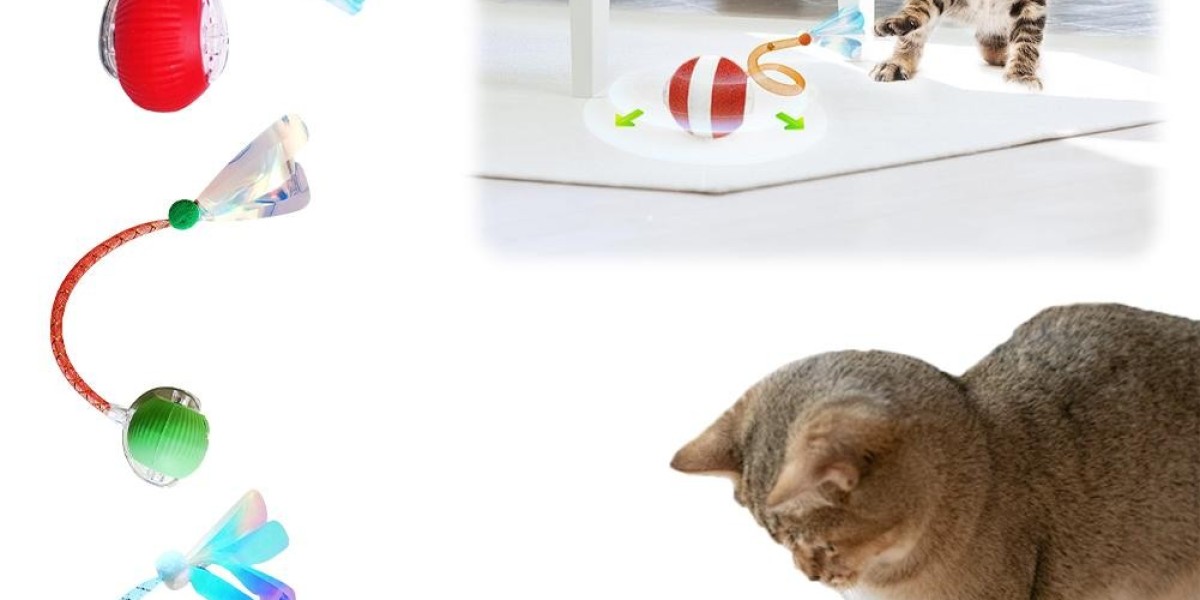

If you’ve lived with a cat for even a week, you already know they have two personalities. One is the chilled, “don’t bother me” version that stretches across your couch like royalty. The other? The wild hunter that appears the moment something tiny rolls across the floor. It’s funny how a simple cat toy ball just a lightweight little sphere can flip the switch instantly. One quiet tap, and suddenly your cat is leaping, sliding, pouncing, and doing spins you swear they didn’t learn from you.
Pet parents across the USA often talk about how their cats act bored during the day but go absolutely wild the moment they see motion. And honestly, that’s part of the charm. But there’s more happening here than just playtime. These tiny cat balls give indoor cats the mental challenge they secretly crave. Even the most “lazy” cat wants a thrill now and then; they just prefer it in small, unpredictable doses.
Why Cats Get Obsessed With Balls (Even When They Pretend They Don’t Care)
Cats have mastered the art of acting cool. You could buy a dozen new toys, drop them in front of your cat, and they’ll blink at you like, “Really? This is what you spent money on?” Then at midnight, when the house is silent, they’re launching those same toys like they’re in a training camp.
The reason? Instinct.
A ball that rolls, wobbles, or bounces taps into something deep in a cat’s brain. They’re wired to chase quick, irregular movement. A ball rolling across the floor behaves enough like prey to trigger the reaction the crouch, the wiggle, the pounce. Even indoor cats who’ve never touched grass still feel that excitement.
Some cats love noise the jingle, the crinkle. Others prefer soft, silent toys because they can sneak up on them like tiny ninjas. Every cat’s different, but motion always gets their attention. It’s the unpredictability that pulls them in.
Here’s the Thing Not Every Cat Toy Ball Is Created Equal
If you’ve ever shopped for cat toys online, you know the options feel endless. Foam balls, felt balls, rubber balls, chewy cat toys, flashing light-up balls, quiet ones, noisy ones… it’s a whole universe.
And cats absolutely notice the difference.
A few things they pay attention to, even if we don’t:
- How easily the ball moves
- Whether it bounces or stays low
- The texture when they bite or bat it
- If it slips on the floor or grips slightly
- Whether it makes noise
That’s why one toy becomes their obsession of the week, while another one ends up under the sofa forever.
Toys labeled cat toy ball, balls for cats, or cat toys for bored cats usually focus on stimulating instincts, but not every toy will speak to your cat’s personality. Just like humans, cats have preferences, and sometimes it takes a bit of experimenting before you find “the one.”
What Makes a Cat Toy Ball Irresistible?
You’ve probably noticed your cat watching something roll across the room with laser focus. There’s a reason certain toys grab them instantly.
A few qualities that seem to push their excitement button:
- A lightweight feel that lets them swipe quickly
- A little wobble or bounce that keeps them guessing
- Textures their paws can grip
- Sounds that spark curiosity
- Surfaces that slide nicely on tile or wood
Unpredictable movement is surprisingly powerful. A ball that suddenly switches direction triggers a cat’s natural problem-solving instincts. They’re not just playing they’re tracking, observing, reacting, and burning off energy in a healthy way.
Some cats enjoy toys they can bite gently. For them, a chewy-style ball is perfect because it’s soft, flexible, and safe for nibbling.
And no, it’s not your imagination: some cats really do hide their favorite toys. They treat them like tiny trophies and stash them in spots only they know.
The Fun Science Behind Cat Balls: Mental Stimulation and Stress Relief
Cats don’t get bored like humans do. Their boredom shows up in other ways scratching furniture, staring at walls, chattering at birds, begging for attention, or getting restless right when you’re finally ready for bed.
When cats play with toys, especially moving ones, they exercise both their body and their brain. A rolling ball encourages them to:
- plan movements
- test timing
- practice coordination
- release pent-up energy
Indoor cats especially benefit from this. Without real hunting opportunities, their brain still needs stimulation. And that’s why cat toys for bored cats are so popular they give cats a challenge that feels natural.
Why Some Cats Ignore Toys Completely
If your cat gives every new toy the I’m too grown for this” look, don’t worry. Some cats are slow to warm up. Others prefer to play when no one’s watching. And a few simply haven’t found a toy that matches their mood.
Sometimes, age plays a role. Kittens chase anything. Adult cats prefer toys that move with purpose. Senior cats enjoy slow, low-energy play.
It’s also about confidence. Shy cats often choose softer, quieter toys. Bold cats love toys that make noise or move fast.
Every cat has a style. It takes time, but once you find their favorite type, things change fast.
Choosing the Right Cat Toy Ball Without Overthinking It
It’s easy to feel overwhelmed, but choosing the right ball is simpler when you focus on your cat’s habits. Cats communicate their preferences through behavior, even when they pretend they don’t.
A small, friendly guide:
- If your cat bats your keys off tables: try lightweight foam or rubber balls.
- If they chase crinkly bags: get crinkle or jingle balls.
- If they chew blankets or strings: choose chewy cat toys.
- If they lose toys constantly: buy multi-packs (trust me, you’ll need them).
And if you have both dogs and cats at home, look for mixed-style dog and cat toys so both pets can play safely.
The Hidden Benefits You Don’t Notice Right Away
Playing with balls isn’t just fun it improves your cat’s mood, appetite, and sleep patterns.
A few overlooked benefits:
- Cats burn energy in a healthy way
- Nighttime zoomies decrease
- Overweight cats move more
- Shy cats become more confident
- Bonding becomes easier
There’s something sweet about a cat bringing a toy back to you, even if it’s just a soft tap to say, play with me. These little moments build trust.
Why Cat Balls Matter More During Winter
Winter changes everything for indoor pets. Less sunlight, closed windows, and colder days mean less natural stimulation. Cats get restless fast.
That’s where active toys make a real difference. A rolling ball gives them something to chase, especially when they can’t explore outside or hear birds chirping. It breaks up long afternoons and keeps them from slipping into a sleepy, sluggish routine.
When Dogs Join the Fun
It’s almost comical how often dogs steal cat toys. Rubber balls, foam balls, anything that moves dogs claim it like treasure. Cats, of course, take this personally. But many dog and cat toys are designed to be shared.
The trick is keeping a mix around so both pets stay entertained without fighting over one magical ball.
Safety Reminders Most People Overlook
Cats are careful by nature, but toys still need quick checks.
Just a few simple reminders:
- Replace toys that crack or tear
- Avoid tiny balls that kittens might swallow
- Clean toys occasionally like you clean bowls
- Rotate toys so they stay fresh and interesting
These little habits make playtime safer and more enjoyable.
The Secret: Rotate the Toys
Here is something cat owners constantly forget: Cats can and do get bored by the same toys everyday. Hide a toy for a week, take it out again and your cat imagines it’s brand new.
Just rotate 3–4 balls weekly. It keeps things stimulating without having to purchase new toys all the time.
Conclusion
Whether your cat is a laidback onlooker or a full-time mischief maker, the perfect cat toy ball can ignite moments of pure joy. These little toys are so much more than just entertaining, after all. They appeal to the prey instinct, reduce anxiety, encourage exercise and provide couch-potato kitties with just a taste of the chase they yearn for.
And let’s be honest: Seeing your cat dash after a rollaway ball with wide-eyed enthusiasm never gets old. Toys may be small, but the pleasure they provide is mighty large.
Why do cats love playing with balls?
For rolling, bouncing action that will stimulate natural hunting instincts. It’s like you’re hunting for small game.
Why can cats easily play with a “regular” ball, but not with a chewy cat toy?
Chewy toys are intended for cats who scratch or bite a lot. Normal balls are more for rolling motion.
Can dogs and cats share toys?
Often, yes. Rubber or foam balls typically work for both, but be sure to confirm size and material.