
A fresh coat of paint can completely transform the feel of any room, but the results you achieve depend heavily on one factor — using the right supplies. Whether you’re updating a single wall or refreshing your entire home, selecting the proper equipment ensures clean lines, smooth finishes, and faster work. Many homeowners underestimate how important it is to invest in high-quality painting tools. Stores like Shop Irvine Carpet One offer a wide range of premium options that help both beginners and experienced DIYers achieve professional-level outcomes.
In this blog, we break down the essential painting tools you need, how each one works, and how to choose the best option for your next project.
Why Using the Right Tools Matters
When painting, the tools you select determine:
Finish smoothness
Paint absorption and coverage
Time and labor required
Precision in corners and edges
Using the recommended painting tools not only improves your efficiency but also reduces the chances of streaks, drips, uneven texture, and premature wear. High-quality gear can last for multiple projects, making it a smart investment for long-term home maintenance.
1. Brushes for Clean and Detailed Work
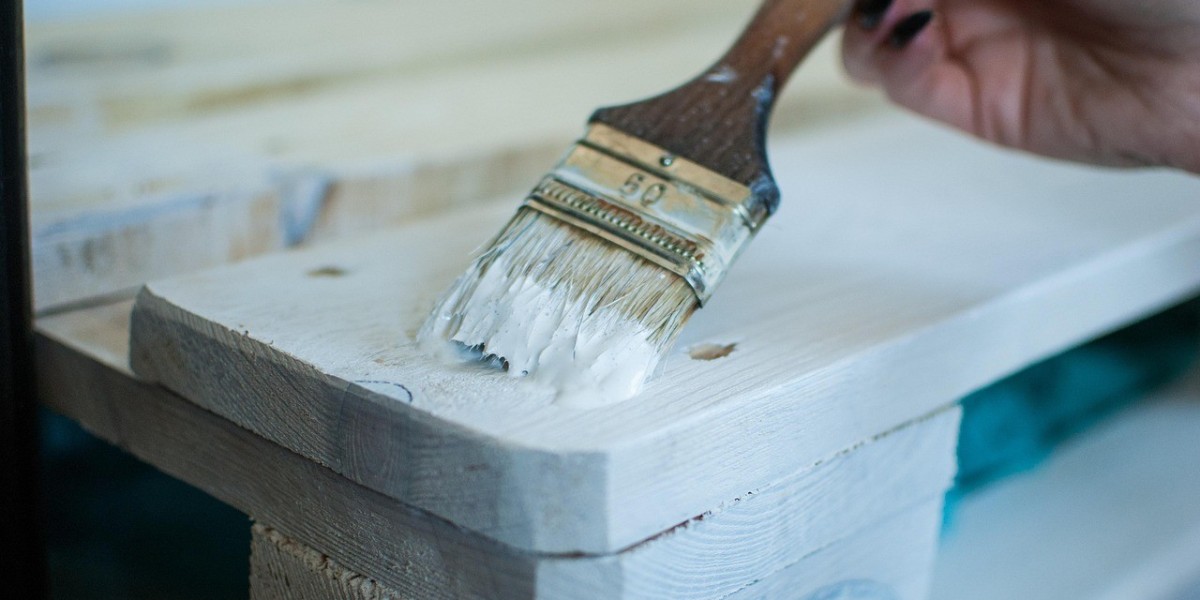
Brushes are among the most essential tools in any painting project. They come in various shapes and sizes, each designed for a specific purpose.
Types of Brushes
a. Flat Brushes
Ideal for large surfaces, flat brushes hold a good amount of paint and provide smooth strokes.
b. Angled Brushes
Perfect for cutting in edges around windows, ceilings, and baseboards. The slanted bristles offer improved control.
c. Round Brushes
Used mostly for touch-ups and decorative detailing.
Brush Material Options
Synthetic bristles: Best for water-based paints
Natural bristles: Great for oil-based products
Blended bristles: Versatile for multi-surface applications
Choosing high-quality brushes from a reliable store like Shop Irvine Carpet One ensures better paint pickup, retention, and smoother application.
2. Rollers for Quick and Even Coverage
Rollers speed up the painting process, especially for large surfaces such as walls and ceilings. They deliver consistent texture and help you maintain a professional appearance.
Types of Roller Covers
Short nap (¼”): Smooth surfaces like drywall
Medium nap (⅜”–½”): Slightly textured walls
Long nap (¾”+): Rough or uneven surfaces such as brick or stucco
Roller Frames and Handles
Ergonomically designed frames allow better control and reduce hand fatigue. Extendable handles are ideal for high walls and ceilings, allowing you to reach taller areas without a ladder.
Rollers remain one of the most dependable painting tools for delivering fast, streak-free coverage.
3. Paint Trays and Liners for Clean and Efficient Workflows
Paint trays make it easier to load your roller evenly with the right amount of paint. Look for trays with:
Deep wells
Roll-off ridges
Sturdy metal or heavy-duty plastic design
Using disposable tray liners reduces cleanup time. Simply remove, discard, and replace — a small step that saves a lot of effort.
4. Drop Cloths and Surface Protection
Protecting your floors and furniture is just as important as applying paint properly. A well-prepared workspace prevents stains, drips, and accidental splashes.
Common Options
Canvas drop cloths: Durable and reusable
Plastic sheets: Lightweight and cost-effective
Rosin paper: Great for covering hardwood floors
High-quality surface protection supplies ensure your space stays clean and safe during the entire project.
5. Tapes and Edging Tools for Sharp Lines
Achieving crisp, clean lines requires more than just a steady hand. Painter’s tape is a must-have for marking off areas such as trim, doors, and window frames.
Why Use Painter’s Tape
Prevents bleeding
Ensures straight edges
Saves time on touch-ups
Edging tools like trim guides also offer support when painting areas where tape might not adhere well.
6. Scrapers, Sanding Blocks, and Prep Tools
Proper surface preparation determines how well the paint adheres. Before applying any color, inspect the walls for imperfections.
Scrapers: Remove old paint and peeling areas
Sanding blocks: Smooth out rough patches
Filling knives and putty: Repair dents and holes
These tools help create a clean, even surface, lowering the risk of visible flaws after painting.
7. Paint Mixers, Buckets, and Accessories
For consistent color, always mix your paint thoroughly. A mixer attached to a drill or manual stirrer ensures uniform pigmentation.
Additional Helpful Accessories
Paint buckets with handles
Magnetic brush holders
Roller cleaners
Paint strainers
Each of these supports a smoother painting experience, helping you maintain speed and accuracy.
8. Choosing the Right Tools for Your Needs
Not every project requires the same equipment. When selecting the best painting tools, consider:
The size of the space
The paint type
The surface texture
Your experience level
If you prefer reliable quality and long-lasting tools, Shop Irvine Carpet One offers a curated range of options suited for both small DIY tasks and full home makeovers.
Conclusion
Painting your home becomes significantly easier and more enjoyable when you have the right equipment. From brushes and rollers to trays, tapes, and prep tools, each plays an essential role in achieving a flawless finish. Investing in durable painting tools not only improves your project results but also saves time, effort, and money in the long term. Whether you’re tackling your first DIY project or updating your space again, selecting high-quality supplies from trusted providers like Shop Irvine Carpet One ensures smooth, consistent results every time.