
Importance of Kitchen Exhaust Hood Cleaning for Restaurants
Running a restaurant means juggling dozens of responsibilities from food quality to customer satisfaction to daily operations. But one area that often gets overlooked is the Importance of Kitchen Exhaust Hood Cleaning for Restaurants, a topic that plays a huge role in safety, hygiene, and long-term equipment performance. A clean, well-maintained hood system reduces fire risks, improves airflow, and helps restaurants meet health and safety regulations. westlink commercial cleaning services ensure your kitchen stays safe, efficient, and compliant. Because exhaust systems pull grease-laden vapors out of the kitchen, keeping them clean is essential for smooth operations.
Below, you’ll learn why kitchen exhaust hood cleaning is so vital, what’s required for compliance, and how professional food service exhaust cleaning helps protect your restaurant from costly hazards.
Understanding the Role of Kitchen Exhaust Hood Systems
How Exhaust Hoods Support Safe Restaurant Operations
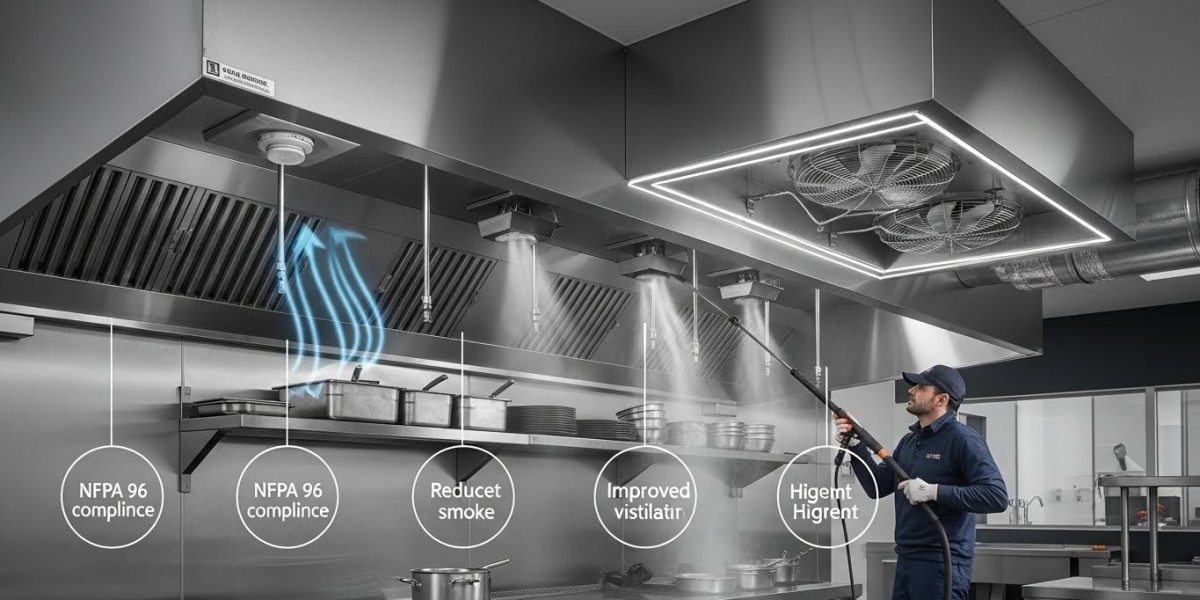
A commercial kitchen produces smoke, steam, and grease particles. The exhaust hood captures these contaminants and directs them through the grease filters, plenum, ducts, and rooftop fan. Without routine maintenance, grease builds up quickly, restricting airflow and creating a dangerous fire hazard.
Key Components of a Commercial Kitchen Ventilation System
Exhaust Hood Canopy
The top cover above cooking equipment that captures smoke, heat, and grease-laden air.
Grease Filters
Traps grease particles from the air to prevent buildup in ducts and reduce fire risk.
Duct System
Channels the captured air from the hood to the outside, ensuring proper ventilation.
Fan Blades and Motor
Creates airflow to pull smoke, heat, and grease through the system.
Rooftop Ventilator
The external fan unit on the roof that expels air outside the building.
Grease Tray and Collection Devices
Collects grease and other residues from filters and air to prevent dripping and hazards.
Each component must be cleaned correctly to keep the entire ventilation system performing well.
Why Kitchen Exhaust Hood Cleaning Matters
Fire Prevention and NFPA 96 Requirements
According to NFPA 96, restaurants must keep exhaust systems free of grease buildup to prevent flash fires. Grease is highly flammable, and even a small spark on a cookline can ignite ductwork. Professional hood cleaning removes grease from every part of the system—not just areas staff can reach.
Health, Hygiene, and Air Quality Benefits
A dirty exhaust system circulates harmful particles back into the kitchen, leading to:
Poor Indoor Air Quality
Air contains pollutants, smoke, and grease, making the environment unhealthy.
Smoke Buildup
Accumulation of smoke from cooking reduces visibility and comfort.
Stronger Odors
Persistent cooking smells linger in the kitchen and surrounding areas.
Contamination Risks
Grease and smoke can spread bacteria and increase fire hazards.
Cleaner air helps protect both staff and customers while keeping the kitchen environment sanitary.
Impact on Equipment Lifespan and Efficiency
When ventilation systems clog with grease, fans must work harder. This leads to:
Higher Energy Bills
Clogged or inefficient systems force fans and motors to work harder, consuming more electricity.
Premature Motor Failure
Overworked or poorly maintained motors wear out faster, leading to breakdowns.
Reduced Airflow
Blockages or dirty components limit the movement of air, reducing ventilation efficiency.
Inconsistent Heat Distribution
Uneven airflow causes hot or cold spots, affecting comfort and cooking performance.
Regular cleaning helps equipment last longer and run more efficiently.
Signs Your Restaurant Needs Immediate Exhaust Hood Cleaning
Visible Grease Accumulation
If grease drips from the hood or appears on walls and ceilings, cleaning is overdue.
Poor Ventilation and Foul Odors
Lingering smells and smoky air signal blocked filters or a failing exhaust fan.
Professional Food Service Exhaust Cleaning Explained
What Professional Cleaners Do Step-by-Step
A certified cleaning company typically performs: system inspection, hood and filter degreasing, duct cleaning, and rooftop unit maintenance. Learn more about our kitchen exhaust hood cleaning services for restaurants to keep your operations safe and compliant.
System Inspection
Check the entire exhaust system for damage, clogs, and maintenance needs.
Hood, Filter, and Plenum Degreasing
Clean grease and grime from the hood, filters, and air plenum for safety and efficiency.
Duct Cleaning Using High-Pressure Equipment
Remove grease buildup inside ducts using specialized high-pressure cleaning tools.
Exhaust Fan Disassembly and Degreasing
Take apart the fan to clean blades and motor components thoroughly.
Rooftop Unit Cleaning
Clean external ventilators to ensure proper airflow and reduce fire hazards.
Compliance Documentation and Photos
Record cleaning procedures and provide evidence for health and safety compliance.
Tools Used in Grease Duct and Hood Cleaning
Professionals rely on:
Chemical Degreasers
Specialized liquids that dissolve grease and oil from surfaces.
High-Pressure Washers
Tools that use strong water jets to remove grease and dirt from ducts and hoods.
Scraping Tools
Manual tools for scraping off stubborn grease and residue.
Steam Cleaning Equipment
Uses high-temperature steam to loosen and sanitize grease deposits.
Fire-Safe Detergents
Cleaning agents that are safe to use around heat sources and reduce fire risk.
Common Mistakes Restaurants Make With Exhaust Hood Maintenance
Relying Only on Staff Cleaning
Surface wiping helps, but it doesn’t remove grease from ducts or fans.
Ignoring Rooftop Fans and Ductwork
Neglected ductwork is the #1 cause of restaurant fire escalation.
How Often Should Restaurants Schedule Hood Cleaning?
Different Cleaning Frequencies by Kitchen Type
NFPA 96 guidelines include:
High-volume kitchens: monthly
Moderate-volume restaurants: quarterly
Low-volume or seasonal operations: semi-annually
Choosing a Reliable Commercial Kitchen Cleaning Company
Certifications and Compliance Standards to Look For
Look for companies with:
NFPA 96 Knowledge
Familiarity with fire safety standards for commercial kitchen exhaust systems.
IKECA Certifications
Professional credentials from the International Kitchen Exhaust Cleaning Association.
Liability Insurance
Protection against accidents or damages during cleaning work.
Photo-Based Reporting
Documenting work with photos for verification and compliance purposes.
Key Questions to Ask Before Hiring
Do you clean the full system, including ducts and fans?
Can you provide compliance reports?
How long have you served the foodservice industry?
Cost of Exhaust Hood Cleaning Services
Factors That Influence Pricing
Pricing varies depending on:
Size of Kitchen
Larger kitchens generate more smoke and grease, affecting cleaning needs.
Length of Ductwork
Longer ducts require more time and effort to clean thoroughly.
Grease Accumulation
The amount of built-up grease determines cleaning intensity and methods.
Frequency of Cleaning
How often the system is cleaned impacts efficiency and fire safety.
The ROI of Proper Ventilation Maintenance
Proper cleaning prevents:
Fire Damage
Accumulated grease can ignite, causing fires and property loss.
Equipment Breakdown
Neglected systems can fail, leading to costly repairs or replacements.
Insurance Issues
Lack of proper maintenance may result in denied insurance claims.
Health Code Violations
Dirty exhaust systems can violate regulations, risking fines and closures.
This makes it one of the highest-ROI maintenance tasks for restaurants.
FAQs
1. How often should a restaurant clean its kitchen exhaust hood?
Most restaurants require cleaning every 1–3 months depending on usage.
2. Can staff clean the exhaust hood?
They can clean exterior surfaces, but internal components require professionals.
3. Why is duct cleaning so important?
Most grease collects in hidden ductwork, which poses the biggest fire risk.
4. Does hood cleaning improve air quality?
Yes, it removes smoke, odors, and contaminants from the kitchen environment.
5. What happens if a restaurant fails to maintain its hood system?
It risks fire hazards, code violations, equipment failure, and insurance problems.
6. How do I choose the right cleaning company?
Look for certified professionals who offer full-system cleaning and compliance reports.
Conclusion
Understanding the Importance of Kitchen Exhaust Hood Cleaning for Restaurants is essential for safe and successful operation. From fire prevention to improved air quality and equipment longevity, maintaining a clean and compliant exhaust system supports a healthier, more efficient kitchen. Restaurants that invest in routine food service exhaust cleaning not only protect their business but also ensure a positive customer experience for staff and customers alike.