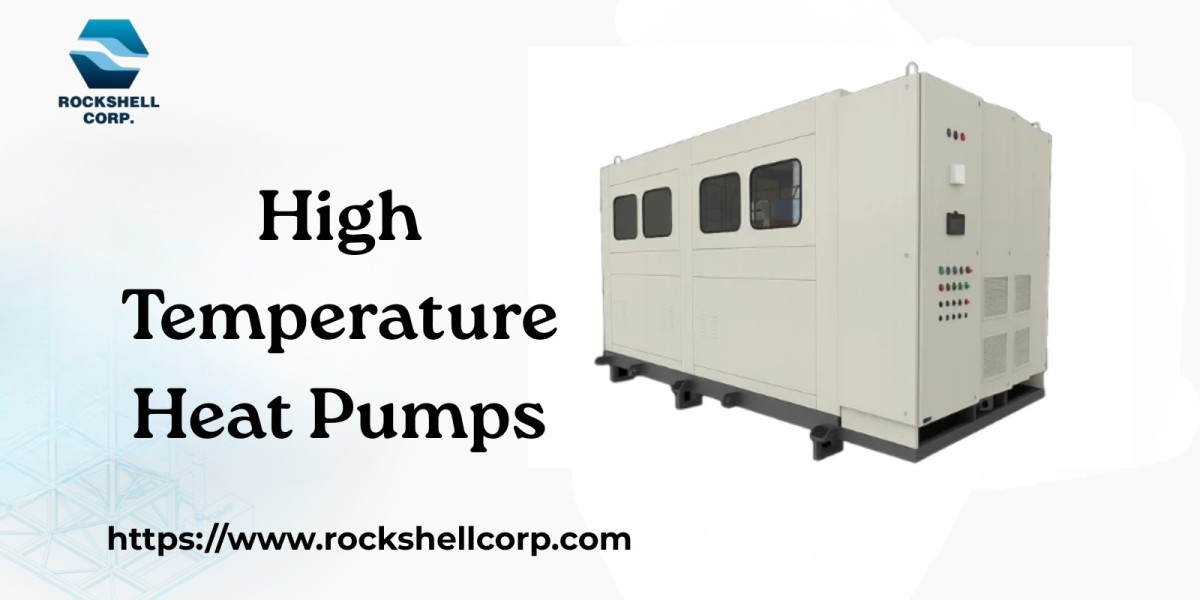

Food manufacturing plants are increasingly adopting the high temperature heat pump as an energy-efficient and sustainable alternative to conventional steam and boiler systems. Unlike standard heat pumps, these industrial units are engineered to achieve high output temperatures suitable for sterilization, pasteurization, washing, and drying operations used every day in food processing facilities. As sustainability targets, energy costs, and carbon regulations continue to shape industrial operations, high temperature heat pumps are becoming a strategic asset for food processors worldwide.
Why Food Manufacturing Requires High Temperature Process Heating
Food processing applications require precise and consistent heating to maintain product quality, hygiene standards, and operational safety. From pasteurizing dairy products to cleaning production lines, temperature control has a direct impact on microbial safety, shelf life, and overall product consistency. Traditionally, these processes have relied on fuel-based boilers or electric heaters. However, they come with rising fuel costs, unstable heat transfer rates, and high carbon emissions.
High temperature heat pumps address these challenges by generating high-grade heat while drastically lowering energy consumption. They also help manufacturers move away from fossil-fuel-dependent systems, enabling long-term operational cost savings while supporting clean energy compliance.
Where Are High Temperature Heat Pumps Most Effective in Food Processing Facilities?
1. Pasteurization and Dairy Processing Lines
The dairy industry depends heavily on controlled heat for pasteurization and sterilization of milk, yogurt, butter, and beverage products. High temperature heat pumps are highly effective because they can supply the steady and accurate heat needed for pasteurization while recovering waste heat from other stages of the facility.
This eliminates additional boiler loads and reduces overall thermal energy demand. The consistent temperature range also ensures that product quality and safety are maintained without excessive overheating.
2. Cleaning in Place (CIP) and Sanitation Systems
Food factories require heated water and cleaning solutions to maintain hygiene and prevent contamination. Cleaning in Place (CIP) processes often run continuously and require large quantities of heated water at controlled temperatures.
A high temperature heat pump is ideal for CIP systems because it can efficiently generate hot water using recovered waste heat from compressors, refrigeration units, or dehydration systems. This substantially lowers operational costs compared to traditional electric heaters or steam-based water heating.
3. Dehydration and Drying Lines
Many processed food categories—such as spices, fruit concentrates, baked snacks, meat products, and instant foods—require controlled drying or dehydration. These processes typically run at high temperatures for extended durations.
High temperature heat pumps deliver precise heat for drying applications while minimizing product damage, improving uniformity, and reducing moisture fluctuation. The ability to maintain consistent thermal conditions helps improve throughput efficiency and product consistency, especially in continuous production lines.
4. Steam Replacement for Cooking and Blanching
Cooking and blanching lines traditionally depend on steam boilers, which consume large amounts of fuel and create a heavy maintenance burden. A high temperature heat pump can replace a portion of steam demand in applications such as precooking vegetables, blanching frozen foods, or heating sauces and concentrates.
Heat pumps not only reduce fuel consumption but also increase thermal efficiency while recovering waste heat. This is especially beneficial in multi-stage processes where residual heat is available for reuse.
5. Wastewater and Effluent Treatment Systems
Food processing facilities often produce wastewater loaded with organic content. Heating is used in wastewater treatment to improve biological breakdown and maintain process stability.
A high temperature heat pump can capture low-grade heat from effluent or refrigeration systems and upgrade it for use in treatment systems. This closed-loop approach significantly reduces thermal energy demand and supports sustainable wastewater handling without fossil fuel dependence.
6. Refrigeration Heat Recovery
Almost every food factory has large-scale refrigeration systems. These systems generate significant heat during operation, much of which is wasted. A high temperature heat pump can recover this rejected heat and elevate it to usable temperatures for cooking, cleaning, or drying.
This is one of the most effective integrations in food facilities because it transforms refrigeration waste into usable clean energy, improving overall plant efficiency while reducing emissions and running costs.
Benefits for Food Processing Facilities
Lower operating cost compared to boilers and electric heaters
Reduced carbon emissions and improved ESG compliance
Consistent temperature ranges with precise control
Efficient waste heat recovery and energy recycling
Less maintenance compared to burner or boiler systems
Improved safety with no combustion process
Food production is highly energy-intensive, and high temperature heat pumps deliver measurable financial savings, operational flexibility, and sustainability advantages.
Conclusion
High temperature heat pumps are becoming a core component of modern food manufacturing. Their ability to produce reliable high-grade heat, recover waste energy, and replace steam or electric heating makes them effective in pasteurization, CIP systems, cooking lines, dehydration, wastewater treatment, and refrigeration heat recovery. As food facilities seek cleaner and more cost-effective thermal systems, high temperature heat pumps are proving to be an ideal investment for long-term performance, efficiency, and sustainability.