
When it comes to marine lighting, understanding the differences between marine spotlights and marine floodlights is crucial for selecting the right tool for specific tasks. Both types of lights are essential in maritime operations, but they serve very different purposes depending on the environment and the task at hand.
Beam Patterns and Characteristics
Marine Spotlights
Marine spotlights are designed to produce a narrow and intense beam, typically with a beam angle of 5° to 15°. This focused light can travel long distances, sometimes up to several hundred meters, depending on the power and lens design. The high lux level at a distance ensures that targets are clearly visible even in low-light or foggy conditions. This makes marine spotlights ideal for pinpointing objects such as buoys, floating debris, or small vessels during navigation or search and rescue operations.
Marine Floodlights
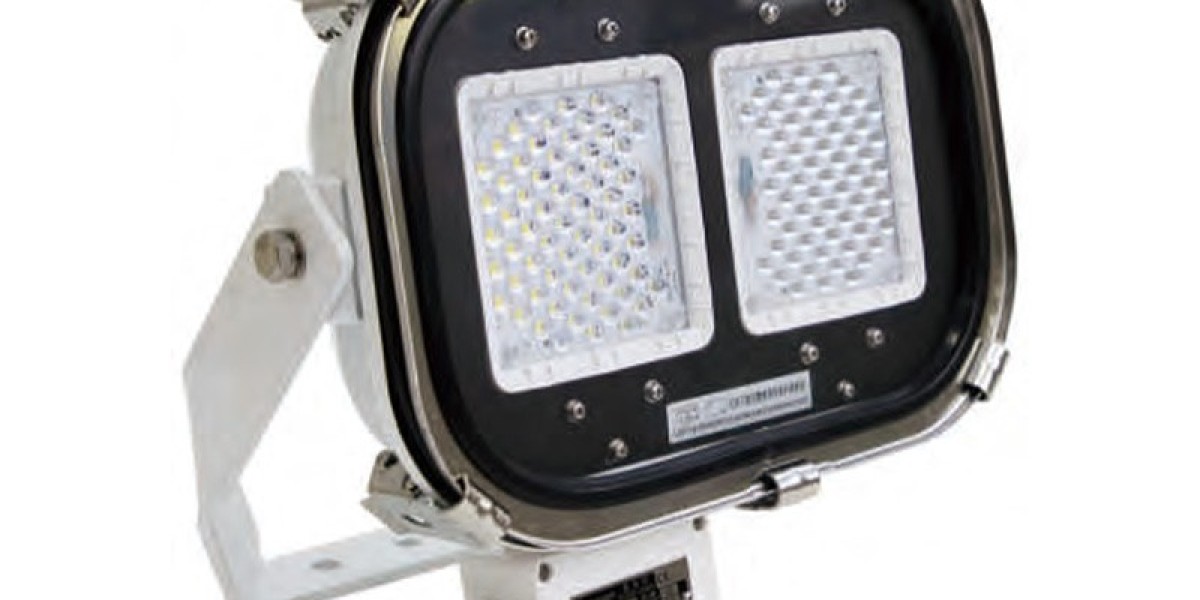
In contrast, marine floodlights deliver a wide-angle beam, generally ranging from 60° to over 120°. This produces a soft, evenly distributed light across a large surface area but with limited reach—typically 20 to 50 meters. Floodlights are designed to eliminate shadows and improve visibility across a workspace, making them essential for ensuring crew safety during nighttime operations or inspections.
Practical Applications
Navigation and Search
For night navigation and search operations, marine spotlights are the preferred choice. Their long-range and focused beam allow for precise targeting of distant objects, making them ideal for spotting hazards or conducting search and rescue missions. For example, a marine spotlight can direct a powerful beam precisely where it’s needed without illuminating unnecessary areas.
Deck and Cargo Operations
When it comes to deck operations, cargo handling, or maintenance tasks, marine floodlights are more suitable. Their wide beam provides full-area visibility, reducing the risk of accidents and ensuring that crew members can work safely and efficiently. Floodlights are also ideal for illuminating large areas such as vessel decks, cranes, and outdoor perimeters.
Durability and Maintenance
Both marine spotlights and floodlights are exposed to harsh marine environments, including saltwater, moisture, and vibration. Marine spotlights, especially those with motors or laser optics, often require enhanced sealing, anti-corrosion materials, and shock protection. On the other hand, marine floodlights tend to be more rugged and lower maintenance, making them well-suited for frequent-use environments like cargo decks or fishing boats.
Combined Use
In many cases, the best solution is to combine both marine spotlights and floodlights. This dual-use approach enhances versatility and safety by providing both long-range reach and broad-area illumination. For example, patrol boats or inspection vessels can benefit from the pinpoint accuracy of spotlights for navigation and search, while floodlights ensure that the entire deck area is well-lit.
Conclusion
Choosing between marine spotlights and floodlights depends on the specific requirements of your maritime operations. Spotlights are ideal for long-range, focused lighting needs, while floodlights are better suited for illuminating large areas. Understanding the differences in beam patterns, applications, and durability can help you make informed decisions to enhance safety and efficiency in various marine environments. Whether for navigation, work illumination, or emergency response, the right lighting solution can make all the difference.