
In the realm of modern architecture, the quest for innovative materials that combine functionality with aesthetic appeal is ever-present. One such material that has gained significant traction is polycarbonate glazing. Renowned for its durability, lightweight nature, and versatility, polycarbonate glazing is revolutionizing the way architects and builders approach design. This article delves into the multifaceted applications of polycarbonate glazing, showcasing its benefits and potential in contemporary architectural projects.
Exceptional Durability and Weather Resistance
Polycarbonate glazing stands out due to its exceptional durability and resistance to various weather conditions. Unlike traditional glass, polycarbonate is virtually unbreakable, making it an ideal choice for structures that require enhanced safety and longevity. Its ability to withstand extreme temperatures, UV radiation, and impact ensures that buildings maintain their integrity over time. This durability not only protects the structure but also reduces maintenance costs, providing long-term value for architects and property owners alike.
Energy Efficiency and Thermal Insulation
Another significant advantage of polycarbonate glazing is its energy efficiency. With the increasing emphasis on sustainable building practices, polycarbonate glazing offers excellent thermal insulation properties. It effectively minimizes heat loss in winter and reduces heat gain in summer, contributing to a more comfortable indoor environment. By utilizing polycarbonate glazing, architects can design energy-efficient buildings that align with modern sustainability goals, ultimately lowering energy consumption and costs.
Aesthetic Flexibility and Design Freedom
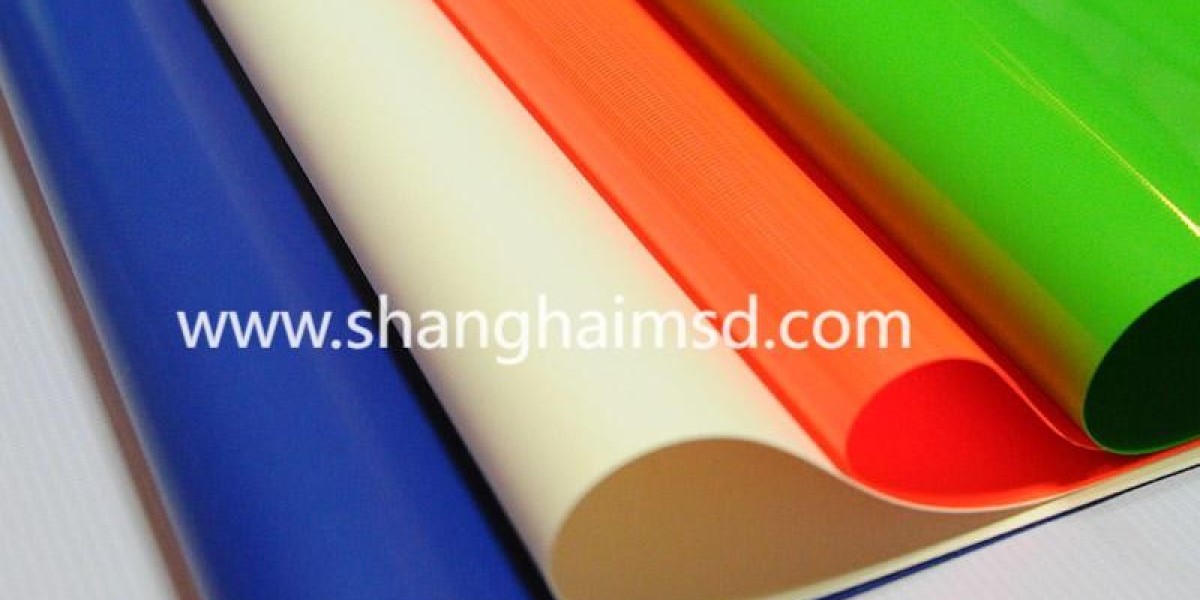
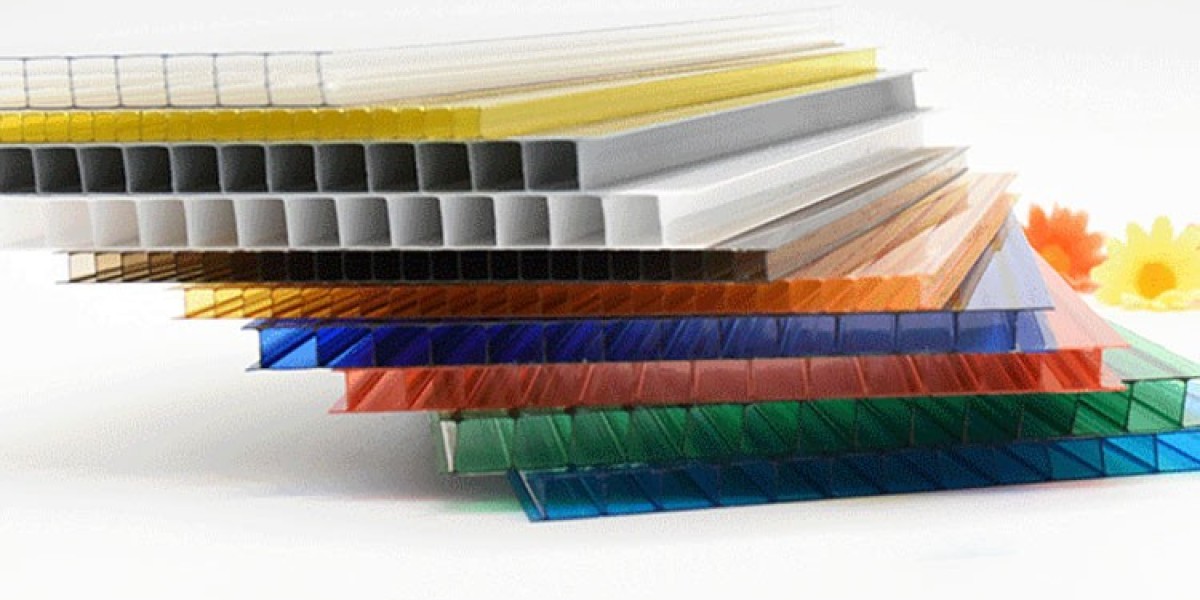
The versatility of polycarbonate glazing extends to its aesthetic appeal. Available in a variety of colors, textures, and finishes, polycarbonate allows architects to explore creative design possibilities. Whether used for facades, skylights, or interior partitions, polycarbonate glazing can enhance the visual impact of a building while allowing natural light to permeate the space. This design flexibility enables architects to create unique structures that stand out in a competitive market, catering to diverse client preferences and architectural styles.
Lightweight and Easy to Install
One of the remarkable features of polycarbonate glazing is its lightweight nature. Compared to traditional glass, polycarbonate is significantly lighter, which simplifies transportation and installation processes. This characteristic not only reduces labor costs but also allows for more innovative designs that may not be feasible with heavier materials. The ease of installation further enhances the appeal of polycarbonate glazing, making it a preferred choice for architects seeking efficient project execution.
Applications in Modern Architecture
Polycarbonate glazing has found its place in various architectural applications, ranging from commercial buildings to residential homes. Its use in greenhouses, sports facilities, and public spaces showcases its adaptability and functionality. Additionally, polycarbonate glazing can be employed in creative ways, such as in the construction of canopies, awnings, and sound barriers. The versatility of polycarbonate glazing makes it an invaluable asset in modern architecture, offering solutions that meet both practical and aesthetic needs.
In conclusion, the versatility of polycarbonate glazing in modern architecture cannot be overstated. Its durability, energy efficiency, aesthetic flexibility, and lightweight nature make it a superior choice for architects and builders alike. As the demand for innovative and sustainable building materials continues to grow, polycarbonate glazing stands out as a leading option that meets the diverse needs of contemporary architectural projects. Embracing polycarbonate glazing not only enhances the functionality of a structure but also contributes to the overall vision of modern design.