
A clean and healthy swimming pool depends on more than just chemicals and regular cleaning—it relies heavily on an efficient pool filtration system. Often overlooked by pool owners, the filtration system is responsible for removing dirt, debris, bacteria, and other contaminants from the water. Without proper filtration, even the best-maintained pool can quickly become cloudy, unsafe, and difficult to manage.
What Is a Pool Filtration System and What Does It Do?
A pool filtration system is designed to continuously circulate water and remove impurities. As swimmers enter the pool, they introduce contaminants such as body oils, sunscreen, sweat, dirt, and bacteria. Environmental debris like leaves, dust, pollen, and insects also find their way into the water. The filtration system captures and removes these particles, keeping the water clean, clear, and safe.
In addition to removing debris, the filtration system helps distribute pool chemicals evenly throughout the water. Proper circulation ensures chlorine or other sanitizers can do their job effectively, preventing algae growth and harmful microorganisms. In short, filtration plays a critical role in both water clarity and swimmer health.
How a Swimming Pool Filtration System Works
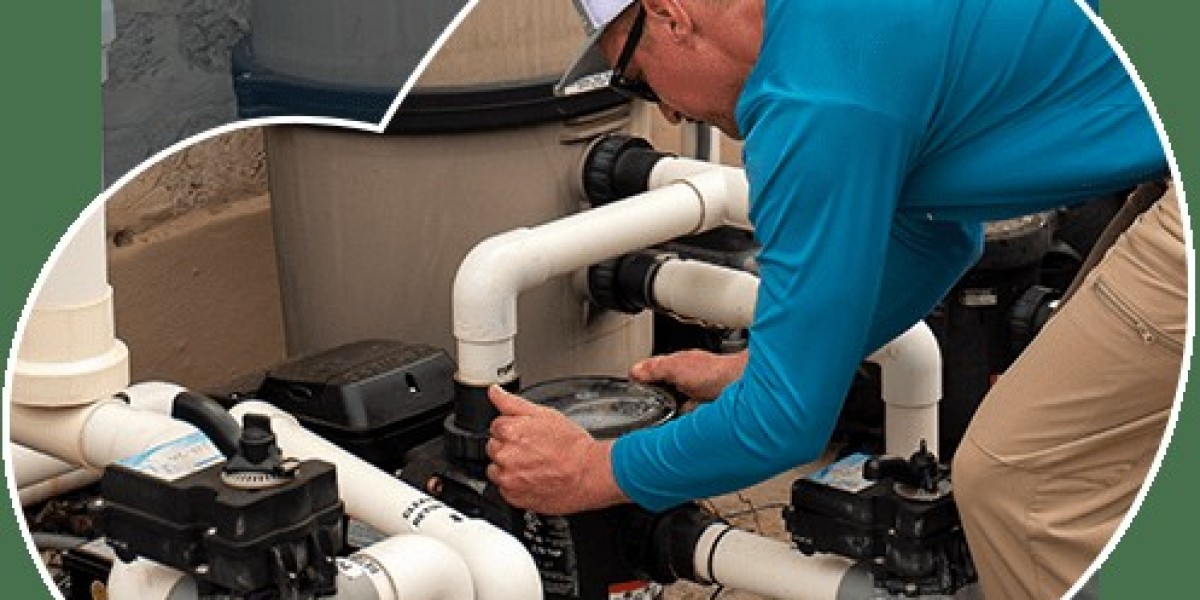
A pool filtration system operates as part of a continuous circulation process. Water is pulled from the pool through skimmers and main drains by the pool pump. From there, the water travels through the filtration unit, where debris and contaminants are trapped. Once filtered, clean water is returned to the pool through return jets.
This cycle repeats multiple times a day to ensure the entire pool volume is filtered regularly. Most pools are designed to complete at least one full “turnover” of water every 8 to 12 hours. The effectiveness of this process depends on the size of the pool, the strength of the pump, and the type of filter used.
Pressure gauges on the filtration system help indicate how well the system is functioning. A rise in pressure usually signals that the filter is becoming dirty and needs cleaning or servicing.
Why Pool Filtration Is So Important
Pool filtration is essential for several reasons:
Water Clarity: Filtration removes visible debris and fine particles that cause cloudy water.
Health and Safety: By removing bacteria and contaminants, filtration reduces the risk of waterborne illnesses.
Chemical Efficiency: Proper circulation allows sanitizers to work evenly and effectively.
Equipment Protection: Clean water reduces strain on pumps, heaters, and other pool equipment.
Cost Savings: Efficient filtration lowers chemical usage and helps prevent costly repairs caused by poor water quality.
Without effective filtration, pools require more chemicals, more frequent cleaning, and still struggle to stay clean.
Types of Pool Filtration Systems
There are three main types of pool filtration systems commonly used in residential swimming pools: sand filters, cartridge filters, and diatomaceous earth (DE) filters. Each type has its advantages, maintenance requirements, and ideal use cases.
Sand Filtration Systems
Sand filters are one of the most popular and widely used pool filtration systems. They use specially graded sand as the filtering medium. As water passes through the sand, debris and particles are trapped while clean water flows back into the pool.
Advantages:
Affordable and durable
Easy to operate
Require minimal hands-on maintenance
Maintenance Needs:
Sand filters need to be backwashed when pressure rises, usually every few weeks. The sand itself typically needs replacement every 5 to 7 years.
Best For:
Pool owners looking for a low-maintenance, cost-effective filtration option.
Cartridge Filtration Systems
Cartridge filters use pleated polyester cartridges to capture debris. They offer finer filtration than sand filters and do not require backwashing.
Advantages:
Better filtration than sand filters
Water-efficient (no backwashing required)
Easy to remove and clean
Maintenance Needs:
Cartridges should be cleaned every few weeks and replaced every 2 to 3 years, depending on usage and water conditions.
Best For:
Pool owners who want efficient filtration with less water waste.
Diatomaceous Earth (DE) Filtration Systems
DE filters provide the highest level of filtration by using diatomaceous earth, a fine powder made from fossilized algae. These filters can trap extremely small particles, resulting in exceptionally clear water.
Advantages:
Superior water clarity
Most effective filtration available
Maintenance Needs:
DE filters require regular backwashing and reapplication of DE powder. They also need periodic deep cleaning and grid inspections.
Best For:
Pools that demand the cleanest possible water and owners willing to handle more detailed maintenance.
Choosing the Right Pool Filtration System
Selecting the right filtration system depends on several factors, including pool size, usage, budget, and maintenance preferences. Larger pools or pools with heavy usage may benefit from higher-capacity or finer filtration systems. Water conservation concerns may also influence the choice, as cartridge filters use less water than sand or DE filters.
Climate, debris levels, and local regulations can also play a role. Consulting knowledgeable pool services can help ensure the filtration system is properly sized and matched to your pool’s specific needs.
Pool Filtration System Maintenance Basics
Regular maintenance is essential for keeping a filtration system running efficiently. Neglecting filter care can lead to poor circulation, cloudy water, increased chemical use, and equipment damage.
Routine Maintenance Tasks
Check pressure gauges weekly
Clean skimmer and pump baskets regularly
Inspect filters for wear or damage
Clean or backwash filters as needed
Maintain proper water chemistry
Ignoring these tasks can cause the filtration system to work harder than necessary, shortening its lifespan.
How Often Should Pool Filters Be Serviced?
Service frequency depends on the filter type and pool usage:
Sand filters: Backwash every 2–4 weeks or when pressure rises 8–10 PSI
Cartridge filters: Clean every 2–6 weeks
DE filters: Backwash and recharge as needed, with full cleaning several times a year
Pools with heavy usage, nearby trees, or frequent storms may require more frequent servicing. Seasonal inspections are also recommended to ensure optimal performance year-round.
Common Pool Filtration Problems
Even well-maintained filtration systems can develop issues over time. Common problems include:
High filter pressure due to clogging
Low pressure caused by air leaks or pump issues
Poor circulation and cloudy water
Cracked filter housings or worn seals
Old or damaged filter media
Addressing these problems early helps avoid larger repairs and water quality issues.
Extending the Lifespan of Your Filtration System
Most pool filtration systems last between 7 and 15 years, depending on the type and level of care. Proper maintenance, balanced water chemistry, and timely part replacements can significantly extend system life.
Scheduling regular inspections with trusted pool services helps identify small issues before they become major problems. Upgrading outdated systems can also improve efficiency, reduce energy costs, and enhance water clarity.
Final Thoughts
A pool filtration system is the foundation of clean, safe, and enjoyable swimming pool water. Understanding how it works, choosing the right type, and maintaining it properly can make pool ownership far easier and more cost-effective. Whether you prefer a simple sand filter or the superior clarity of a DE system, consistent care and informed decisions are key.
By investing time in proper filtration maintenance and working with experienced pool services when needed, pool owners can enjoy crystal-clear water, reliable performance, and peace of mind throughout the swimming season.