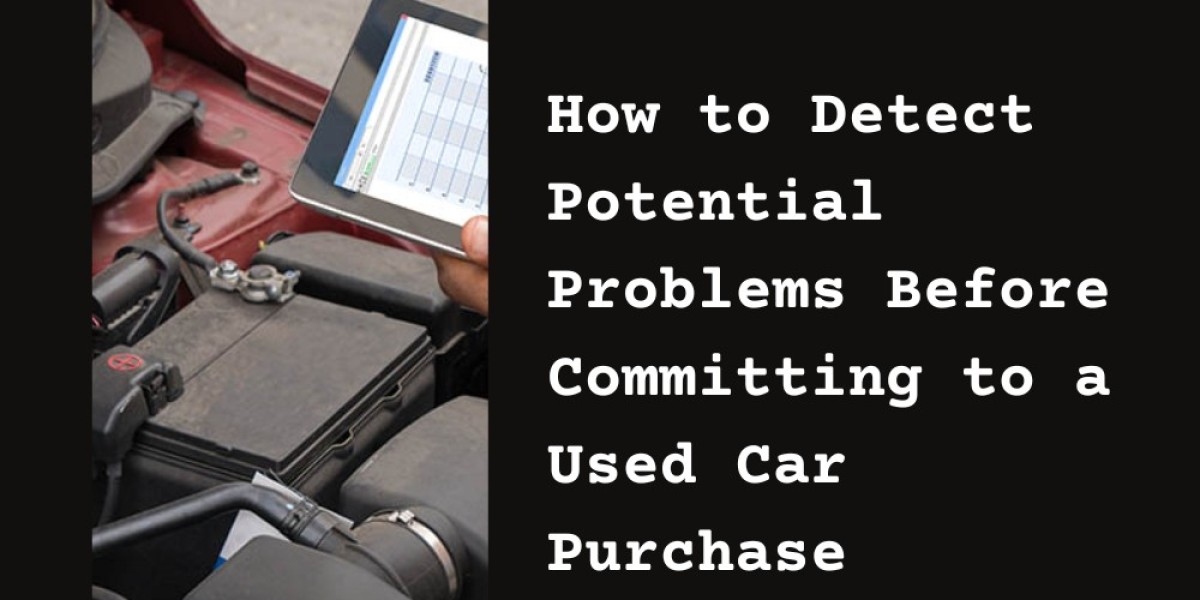

Purchasing a used car can be an exciting yet challenging experience. While a pre-owned vehicle may offer significant savings compared to a brand-new car, it also carries the risk of hidden problems that may not be immediately apparent. Detecting potential issues before committing to a purchase can save buyers considerable time, money, and frustration. This guide provides a professional and systematic approach to evaluating a used car, ensuring you make an informed decision.
Understanding the Importance of Pre-Purchase Inspection
Before investing in a used vehicle, it is critical to recognize that appearances can be deceiving. A car may look clean and well-maintained on the outside while harboring serious mechanical or structural issues. Conducting a thorough inspection can help identify red flags, giving you leverage to negotiate the price or avoid a problematic vehicle altogether. A proper evaluation is not just about mechanical reliability; it also protects your financial investment and ensures safety for yourself and passengers.
Conducting a Visual Exterior Inspection
The first step in assessing a used car is to examine its exterior carefully. The vehicle's exterior condition can reveal signs of previous accidents, poor maintenance, or weather-related damage.
Inspecting the Bodywork and Paint
Check for dents, scratches, rust, and mismatched paint, which may indicate past repairs or accident damage. Uneven paint or overspray in certain areas can suggest that bodywork has been performed. Pay close attention to the edges of doors, wheel arches, and the hood, as these areas are often repaired after collisions.
Evaluating Tires and Wheels
Inspect the tires for even wear patterns, tread depth, and any signs of dry rot or cracks. Uneven tire wear can indicate alignment issues or suspension problems. Additionally, check the condition of the rims for dents, scratches, or corrosion, as these may suggest rough usage or minor collisions.
Examining Lights and Glass
Ensure all headlights, taillights, and indicators are functional. Look for cracks, cloudiness, or moisture inside the light covers. Check the windshield and windows for chips or cracks, as these can spread over time and may be expensive to replace.
NOTE:- A comprehensive used car inspection Dubai was conducted by Check Any Car, covering engine, brakes, and overall performance. Previous clients received detailed reports that guided them in their purchase decisions. Protect your investment—reach out to Check Any Car today and schedule your trusted car inspection.
Checking the Interior Condition
A car's interior provides clues about how well it was maintained and the potential for hidden issues.
Assessing Seats and Upholstery
Examine the seats, floor mats, and carpeting for wear and tear, stains, or odors. Excessive wear on the driver's seat may indicate high mileage, while persistent odors such as mold or smoke may be difficult to remove.
Evaluating Electronics and Controls
Test all electronic components, including the air conditioning, heating system, infotainment system, power windows, and seat adjustments. Malfunctioning electronics can be costly to repair and may signal neglect.
Checking Safety Features
Ensure that seat belts, airbags, and other safety mechanisms are intact and functional. Faulty safety features can compromise the car's reliability in emergencies.
Assessing Mechanical Condition
While the exterior and interior provide initial indicators, the car’s mechanical health is the most critical aspect to evaluate.
Inspecting the Engine and Transmission
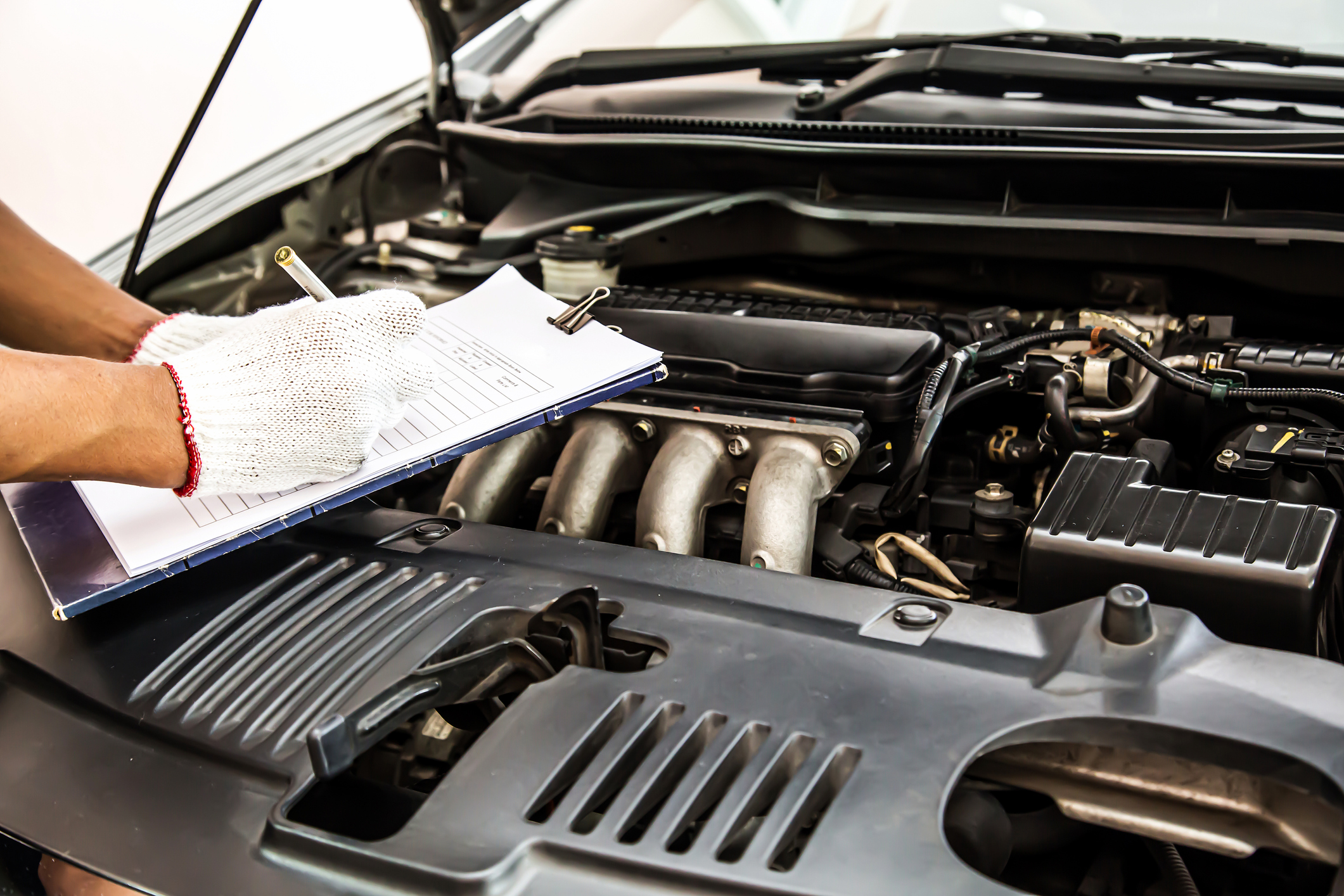
Open the hood and examine the engine bay for signs of leaks, corrosion, or damaged hoses and belts. Check the engine oil, coolant, and transmission fluid levels, ensuring they are clean and at the correct levels. Start the engine and listen for unusual noises, such as knocking, ticking, or excessive vibrations, which may indicate internal problems.
Evaluating the Braking System
Test the brakes for responsiveness, unusual noises, or vibrations when stopping. Inspect brake pads and discs for wear and check the brake fluid level. A poorly functioning braking system is a serious safety hazard that should not be overlooked.
Checking the Suspension and Steering
Pay attention to how the car handles while driving. Excessive bouncing, pulling to one side, or uneven steering can indicate suspension issues or misalignment. Check the shock absorbers and struts for leaks or damage during a physical inspection.
Listening for Transmission Performance
If the car has an automatic transmission, ensure smooth gear shifts without delays or jerks. For manual transmissions, test the clutch for smooth engagement and disengagement. Transmission repairs can be very costly, making this a critical area to evaluate.
Reviewing the Vehicle’s History
A thorough history check can uncover hidden issues that are not apparent during a physical inspection.
Checking Service Records
Ask the seller for detailed service and maintenance records. Regular servicing is a strong indicator of responsible ownership and helps predict future reliability. Look for evidence of routine oil changes, filter replacements, and any major repairs.
Investigating Accident and Damage Reports
Obtain a vehicle history report from a reputable provider to check for previous accidents, insurance claims, or title issues. A car that has sustained significant damage may suffer from lingering structural or mechanical problems.
Verifying Ownership and Legal Status
Ensure the car has a clear title and no outstanding loans or legal disputes. Confirm the Vehicle Identification Number (VIN) matches the documentation and has not been tampered with. Legal complications can become significant obstacles if ignored.
Conducting a Professional Pre-Purchase Inspection
Even the most experienced buyers may overlook subtle issues that a trained mechanic can detect. A professional pre-purchase inspection (PPI) provides an expert assessment of the vehicle's condition.
Benefits of a Professional Inspection
A PPI involves a thorough examination of the car’s mechanical, structural, and cosmetic condition. Certified mechanics can identify hidden problems, estimate repair costs, and provide recommendations on whether the purchase is advisable. Investing in a professional inspection can save thousands of dollars in unforeseen repairs.
What to Expect from an Inspection
The inspector will typically assess the engine, transmission, suspension, brakes, electrical system, and undercarriage. They may also perform a diagnostic scan for error codes, check fluid conditions, and test drive the car. Afterward, you will receive a detailed report outlining potential issues and overall vehicle health.
Performing a Test Drive
A test drive is essential to evaluate how the car performs under real-world conditions.
Evaluating Engine and Transmission Performance
Pay attention to acceleration, engine response, and gear shifts. Listen for unusual noises and monitor for vibrations or hesitations that could indicate engine or transmission issues.
Assessing Braking and Steering
Check braking efficiency, pedal feel, and responsiveness. Test steering for smoothness and accuracy, and note any unusual pulling or resistance.
Observing Suspension and Ride Comfort
Drive over different road surfaces to evaluate suspension performance. A comfortable and stable ride indicates well-maintained suspension components, while excessive bouncing or noise may signal problems.

Identifying Common Red Flags
Being aware of typical warning signs can help buyers avoid potential pitfalls.
Signs of Flood or Water Damage
Musty odors, water stains, and corrosion in unusual areas may indicate previous flooding. Flood-damaged cars often suffer from long-term electrical and mechanical issues.
Signs of Odometer Tampering
Inconsistent wear on the pedals, steering wheel, and seats compared to the reported mileage may suggest odometer fraud. Verify mileage against service records and maintenance receipts.
Indications of Previous Accidents
Uneven gaps between body panels, mismatched paint, and new parts in an otherwise older car may indicate prior collisions. Structural damage can affect safety and resale value.
Making an Informed Decision
After conducting a comprehensive inspection, review all findings and consider the potential costs of repairs or maintenance. Compare the car’s condition with its asking price to determine if it represents fair value.
Negotiating with Confidence
If issues are identified, use the findings to negotiate a lower price or request repairs before purchase. Transparency and knowledge empower buyers to make better decisions.
Walking Away When Necessary
Sometimes the best decision is to walk away. If the car has major mechanical problems, a questionable history, or excessive wear, the risks may outweigh the benefits. Patience often leads to finding a better vehicle at the right price.
Conclusion
Detecting potential problems before committing to a used car purchase requires diligence, attention to detail, and a systematic approach. By conducting a thorough exterior and interior inspection, evaluating mechanical performance, reviewing the vehicle’s history, and enlisting professional help when needed, buyers can minimize risks and make confident decisions. A careful and informed approach not only protects your investment but also ensures long-term satisfaction and safety with your used car.