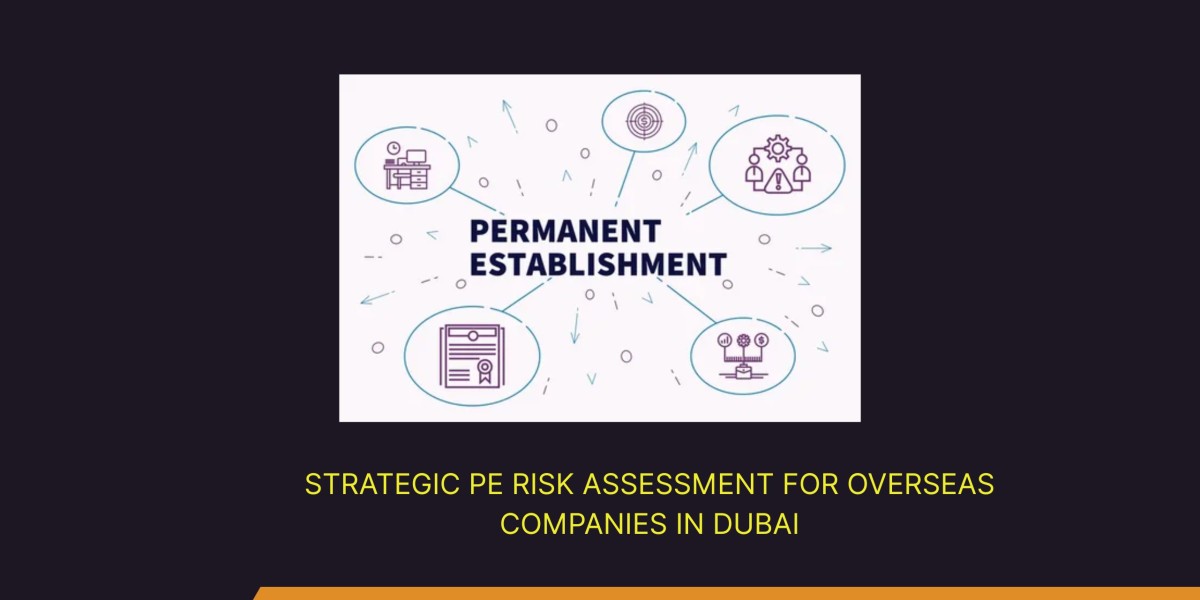

Dubai continues to attract overseas companies seeking to expand into the Middle East, thanks to its strategic location, business-friendly environment, and strong regulatory framework. However, while entering the Dubai market offers significant opportunities, it also presents complex tax considerations. One of the most critical issues foreign businesses face is managing Permanent Establishment risks. A strategic PE risk assessment helps overseas companies understand their tax exposure and remain compliant while operating efficiently in Dubai.
NOTE: The Permanent Establishment (PE) advisory ensured businesses remained aligned with evolving UAE tax regulations. It had helped identify potential PE triggers and provided practical solutions. Companies had benefited from reduced compliance risks. Connect with M&M Al Menhali Auditing now to safeguard your business operations.
Understanding Permanent Establishment in the Dubai Context
Permanent Establishment refers to a fixed place of business or a dependent activity through which a foreign company conducts its operations in another country. In Dubai, PE concepts are governed by international tax principles, double taxation avoidance agreements, and the UAE corporate tax framework. Overseas companies may unintentionally create a PE through offices, employees, agents, or even long-term project activities. Understanding how local regulations interpret these activities is the first step toward effective risk management.

Why PE Risk Assessment Is Essential for Overseas Companies
A strategic PE risk assessment allows foreign companies to identify potential tax obligations before they become compliance issues. Without proper evaluation, businesses may face unexpected corporate tax liabilities, penalties, and reputational risks. Dubai’s evolving tax environment makes it even more critical for overseas entities to carefully assess their operational footprint and contractual arrangements. Early identification of PE risks enables companies to restructure operations proactively and avoid costly disputes with tax authorities.
Key Business Activities That Trigger PE Risks
Overseas companies operating in Dubai may expose themselves to PE through various business activities. Maintaining a physical office, employing staff who make commercial decisions, or appointing dependent agents can increase PE risk. Additionally, long-term construction or service projects may create a taxable presence if they exceed specified time thresholds. Even remote management activities or repeated short-term engagements can be scrutinized if they demonstrate continuity of business operations within Dubai.
Evaluating Contracts and Operational Structures
Contracts play a crucial role in determining PE exposure. A strategic assessment reviews agreements with customers, suppliers, and local partners to identify clauses that may establish a taxable presence. Authority to negotiate or conclude contracts in Dubai is a common risk factor. Operational structures such as branch offices, representative offices, or joint ventures must also be evaluated to ensure they align with tax-efficient models while meeting regulatory requirements.
Role of Double Taxation Treaties in PE Assessment
Dubai benefits from an extensive network of double taxation avoidance agreements with many countries. These treaties clarify PE definitions and help prevent double taxation of income. However, treaty benefits are not automatic. A thorough PE risk assessment examines treaty provisions applicable to the overseas company and determines whether treaty protection can be claimed. This analysis is vital for optimizing tax positions and reducing overall exposure.
Managing PE Risks Through Strategic Planning
Once risks are identified, companies can adopt strategic measures to manage or mitigate PE exposure. This may include restructuring business operations, redefining employee roles, adjusting contract terms, or limiting decision-making authority within Dubai. Strategic planning ensures that business objectives are met without creating unintended tax consequences. Proper documentation and internal controls further support compliance and demonstrate transparency to tax authorities.
Importance of Ongoing Monitoring and Compliance
PE risk assessment is not a one-time exercise. Business operations evolve, and regulatory interpretations may change over time. Overseas companies in Dubai should regularly review their activities, staffing arrangements, and contractual relationships to ensure continued compliance. Ongoing monitoring helps businesses adapt to changes in tax laws and avoid future disputes. Regular reviews also support better decision-making when expanding or modifying operations.
Benefits of Professional PE Risk Advisory Support
Professional advisory support adds significant value to the PE risk assessment process. Experts bring in-depth knowledge of Dubai’s tax regulations, international tax standards, and treaty interpretations. They provide tailored insights based on the company’s industry and business model. With professional guidance, overseas companies can confidently navigate complex tax landscapes, minimize risks, and focus on sustainable growth in Dubai.
Conclusion
Strategic PE risk assessment is a critical component of successful market entry and expansion for overseas companies in Dubai. By understanding potential exposure, evaluating operational structures, and implementing proactive planning, businesses can avoid unexpected tax liabilities and ensure compliance. A well-structured approach to PE risk not only protects the company but also strengthens its long-term presence in Dubai’s competitive business environment.
For More Insightful Articles Related To This Topic, Feel Free To Visit: Boonbac