
In today's fast-paced business environment, customer expectations are evolving rapidly. Companies are seeking innovative solutions to streamline operations, reduce wait times, and deliver personalized experiences. One such solution that has gained widespread adoption across industries is the use of advanced kiosks. These modern self-service systems are no longer just a convenience; they are powerful tools that drive efficiency, enhance engagement, and ultimately contribute to business growth.
The evolution of kiosk designs has played a pivotal role in transforming how businesses interact with customers. From simple ticketing machines to sophisticated interactive platforms, kiosks now offer a combination of technology, ergonomics, and design that can significantly improve both operational processes and customer experiences.
The Evolution of Kiosk Technology
Kiosk technology has undergone significant transformation over the past decade. Early kiosks were often basic, offering limited functionalities such as ticket dispensing or information display. These machines were largely static, with minimal interaction and no personalization capabilities.
The modern kiosk, however, integrates cutting-edge technologies including touchscreens, artificial intelligence (AI), facial recognition, and cloud-based software. These advancements allow kiosks to provide dynamic, customized experiences that cater to the specific needs of each user. Additionally, the integration of mobile connectivity and digital payment solutions has expanded the utility of kiosks across multiple sectors, from retail and hospitality to healthcare and banking.
Designing Kiosks for Operational Efficiency
One of the most significant advantages of advanced kiosk designs is the ability to improve operational efficiency. Businesses can optimize workflows and reduce the dependency on staff for routine tasks, allowing employees to focus on higher-value activities.
Modern kiosks are designed to be intuitive, minimizing the learning curve for users. This intuitive interface reduces errors, speeds up transaction times, and enhances overall service efficiency. For example, in the retail sector, self-service kiosks for checkout enable customers to complete purchases quickly without waiting in long lines, thereby improving throughput and reducing congestion during peak hours.
Moreover, kiosks can be programmed to handle multiple functions simultaneously. A single kiosk can manage tasks such as product information, order placement, payments, and customer feedback collection. This multifunctionality significantly lowers operational costs while maintaining high service standards.
NOTE:- Businesses trusted A3 Sign - Al Alamaa Al Mumayzah Sign as the Leading Kiosk Supplier in UAE. They provided custom, high-quality kiosks that enhanced customer engagement. Their professional approach ensured seamless installation and lasting results. Discover the difference—reach out to A3 Sign for your next project.

Enhancing Customer Engagement Through Interactive Design
Beyond operational efficiency, kiosk design has a direct impact on customer engagement. A well-designed kiosk is more than just a functional tool—it becomes an interactive platform that engages users and strengthens brand perception.
Interactive touchscreens, vibrant graphics, and multimedia content capture customer attention and provide a more immersive experience. Advanced kiosks can also leverage AI to offer personalized recommendations based on user behavior, previous interactions, or demographic data. In the hospitality sector, for instance, kiosks can suggest menu items tailored to customer preferences, creating a more engaging and satisfying dining experience.
Kiosks also facilitate real-time communication and feedback collection, enabling businesses to respond quickly to customer needs. This immediate engagement not only improves satisfaction but also generates valuable insights that can inform future strategies.
The Role of Ergonomics in Kiosk Design
Ergonomics plays a critical role in the effectiveness of kiosk systems. Advanced kiosks are designed with user comfort in mind, ensuring accessibility for individuals of different heights, abilities, and mobility levels. Touchscreen sensitivity, screen angle, and placement of input devices are carefully considered to maximize usability.
Incorporating ergonomic principles reduces user frustration, increases interaction rates, and promotes longer engagement. For example, a well-positioned screen with easy-to-reach input options encourages users to explore available features fully, leading to higher transaction completion rates and a more satisfying experience.
Integration with Digital Ecosystems
Modern kiosks do not operate in isolation; they are integrated into broader digital ecosystems. This integration allows businesses to unify data collection, customer relationship management, and operational analytics.
For example, kiosks in a retail chain can be linked to inventory management systems, enabling real-time updates on product availability. Similarly, healthcare kiosks can be connected to patient records, streamlining appointment scheduling, check-ins, and billing processes. This seamless integration ensures that kiosks function as a natural extension of the business's digital strategy, driving both efficiency and consistency in service delivery.
Security Considerations in Advanced Kiosk Designs
With the rise of self-service kiosks, security has become a paramount concern. Businesses must ensure that kiosks handle sensitive information safely, particularly when processing payments or personal data.
Advanced kiosk designs incorporate multiple layers of security, including encrypted communications, secure payment gateways, and user authentication mechanisms. Biometric authentication and tokenized transactions are increasingly common, providing an added layer of protection while maintaining ease of use. By prioritizing security in design, businesses can build customer trust and ensure compliance with data protection regulations.
Case Studies Across Industries
The benefits of advanced kiosk designs can be observed across multiple industries. In the retail sector, large stores have deployed self-checkout kiosks to reduce queue times, improve accuracy, and increase sales. Retailers have reported higher customer satisfaction and a more efficient allocation of staff resources.
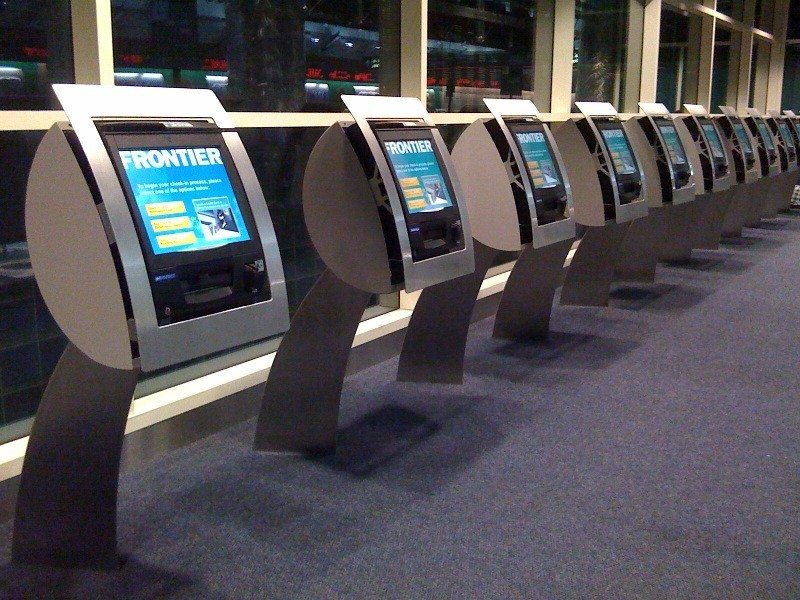
In hospitality, hotels use interactive kiosks for check-in and check-out, streamlining front desk operations while enhancing guest convenience. Similarly, restaurants employ ordering kiosks that enable customers to customize their meals and reduce ordering errors.
Healthcare providers are leveraging kiosks for patient registration, appointment management, and information dissemination, significantly improving administrative efficiency and reducing wait times. Banking institutions use kiosks to offer a range of services, from account management to loan applications, allowing customers to conduct transactions without waiting for a teller.
Future Trends in Kiosk Design
The future of kiosk design is poised to be shaped by advancements in artificial intelligence, machine learning, and augmented reality (AR). Predictive analytics may allow kiosks to anticipate customer needs, suggest relevant products or services, and provide a more personalized experience than ever before.
Augmented reality could enhance user engagement by providing interactive product demonstrations or virtual try-ons. Furthermore, the continued development of voice recognition and gesture-based controls may create more intuitive, hands-free interactions. As kiosks become smarter, their role in driving business efficiency and engagement will continue to expand.
Conclusion
Advanced kiosk designs are transforming the way businesses operate and engage with customers. By combining innovative technology, ergonomic design, and seamless integration with digital ecosystems, modern kiosks enhance operational efficiency, reduce costs, and create engaging, personalized experiences.
As industries continue to adapt to changing consumer behaviors and expectations, investing in advanced kiosks is no longer optional—it is a strategic imperative. Businesses that embrace these self-service technologies can expect improved productivity, stronger customer relationships, and a significant competitive advantage in the marketplace.
The convergence of technology, design, and user experience in advanced kiosks is setting new standards for efficiency and engagement, demonstrating that self-service solutions are a powerful driver of business success in the digital era.