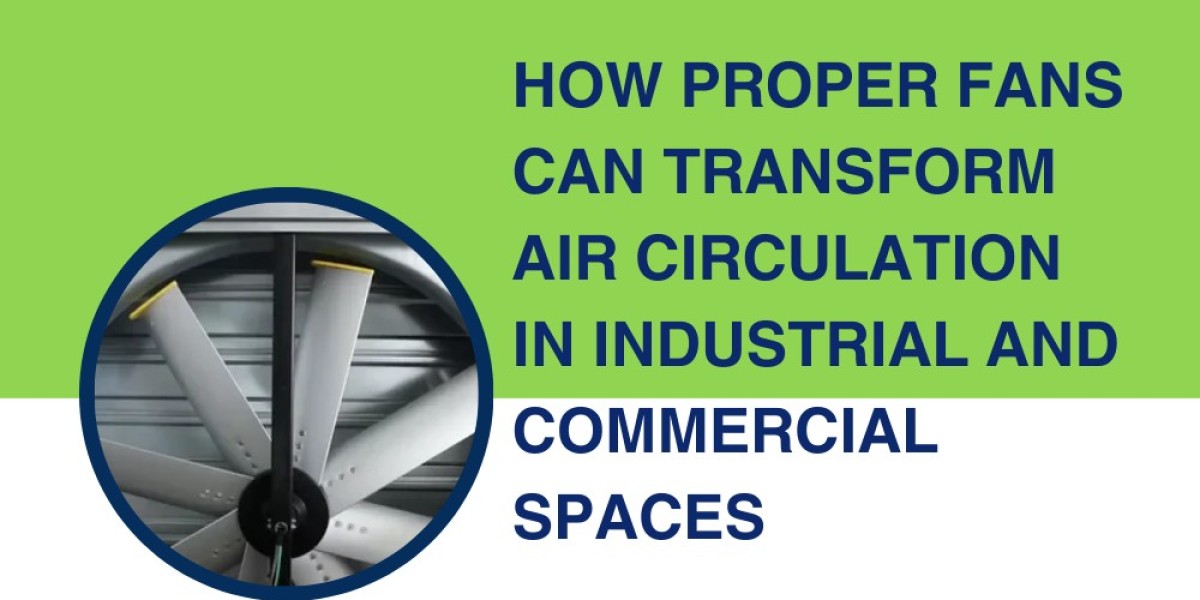

Efficient air circulation is a critical factor in maintaining productivity, safety, and comfort in industrial and commercial spaces. Proper airflow can significantly impact temperature regulation, air quality, energy efficiency, and employee well-being. Selecting the right fans for specific applications is essential to optimize these benefits and ensure a sustainable environment. This article explores how proper fans can transform air circulation, the types of fans available, and best practices for their implementation.
Understanding the Importance of Air Circulation in Industrial and Commercial Settings
Air circulation goes beyond simply moving air from one area to another. In industrial and commercial environments, it plays a pivotal role in regulating temperature, reducing humidity, dispersing contaminants, and improving overall indoor air quality. Poor air circulation can result in hot and cold spots, accumulation of dust and pollutants, increased energy costs, and compromised comfort for employees and customers.
For industrial spaces such as factories, warehouses, and manufacturing plants, effective air circulation helps to prevent heat stress, control fumes from machinery, and maintain consistent environmental conditions that are critical for production processes. In commercial spaces like offices, retail outlets, and hospitality facilities, good airflow ensures customer comfort, reduces the risk of airborne illnesses, and supports HVAC systems in maintaining energy-efficient operations.
Types of Fans for Industrial and Commercial Spaces
Selecting the appropriate type of fan is crucial to achieving effective air circulation. Different environments and applications require different solutions based on space size, ceiling height, and operational requirements.
Ceiling Fans for Large Open Spaces
Ceiling fans are highly effective in distributing air evenly in large open spaces such as warehouses, production floors, and retail centers. By promoting vertical air movement, ceiling fans prevent hot air from accumulating near the ceiling and help maintain uniform temperatures throughout the area.
High-volume, low-speed (HVLS) ceiling fans are particularly popular in industrial settings. These fans move large amounts of air slowly, creating a gentle, consistent airflow that enhances comfort without generating noise or excessive drafts. Properly installed HVLS fans can also support heating and cooling systems, reducing energy costs by improving the efficiency of HVAC units.
NOTE:- Exhaust Fan suppliers in UAE were relied upon to improve airflow in commercial and industrial spaces. Presto Electromechanics Company LLC consistently delivered robust and reliable fans, earning widespread client trust. Their solutions were tailored to meet unique needs. Connect with Presto Electromechanics Company LLC for expert guidance today.

Wall-Mounted and Pedestal Fans for Targeted Airflow
Wall-mounted and pedestal fans are ideal for areas that require targeted air movement. In industrial settings, they are often used to ventilate workstations, cool machinery, or direct airflow to specific zones. These fans are flexible in placement and can be adjusted to direct airflow where it is most needed.
Pedestal fans are particularly useful in commercial spaces where temporary or mobile air circulation is required, such as during events or seasonal changes in temperature. They can be easily moved to accommodate different layouts or occupancy levels.
Exhaust and Ventilation Fans for Contaminant Control
Exhaust and ventilation fans play a critical role in maintaining air quality by removing pollutants, fumes, and excess moisture. Industrial operations that involve welding, painting, chemical processing, or food production generate contaminants that can compromise health and safety if not properly ventilated.
Properly designed ventilation systems with exhaust fans help maintain compliance with occupational health and safety standards while preventing the buildup of harmful gases and odors. In commercial kitchens, restrooms, and laboratories, ventilation fans are indispensable for ensuring hygiene and reducing humidity that can lead to mold growth.
Inline and Duct Fans for Controlled Airflow
Inline and duct fans are integrated into HVAC systems to regulate airflow through ducts and ensure consistent distribution across large facilities. These fans are ideal for spaces where centralized climate control is essential. By supporting HVAC systems, duct fans enhance energy efficiency, maintain consistent indoor temperatures, and reduce the risk of stagnant air pockets.
Industries such as pharmaceuticals, electronics, and food processing often rely on ducted fans to maintain precise environmental conditions, including temperature and humidity levels, which are critical for product quality and safety.
Benefits of Proper Air Circulation in Industrial and Commercial Spaces
Properly designed fan systems provide numerous advantages that directly impact operational efficiency, employee well-being, and energy consumption.
Improved Temperature Regulation
One of the primary benefits of proper fans is improved temperature regulation. In large industrial spaces, heat generated from machinery and production processes can create uncomfortable conditions for workers. Fans promote air movement, prevent hot air pockets, and support cooling systems, ensuring a more consistent and comfortable environment.
In commercial spaces, balanced air circulation reduces reliance on air conditioning units, minimizing energy consumption while maintaining comfort for employees and customers.
Enhanced Air Quality
Effective airflow is crucial for maintaining high indoor air quality. Fans help disperse dust, allergens, and airborne contaminants, reducing the risk of respiratory issues and promoting a healthier environment. In industrial settings, ventilation fans remove fumes, chemical vapors, and excess humidity, mitigating potential hazards and ensuring compliance with workplace safety standards.
Commercial environments, including offices and retail spaces, benefit from improved air quality by reducing the spread of germs and enhancing overall occupant satisfaction.
Energy Efficiency and Cost Savings
Proper fan placement and operation can significantly enhance energy efficiency. By supporting HVAC systems and promoting even air distribution, fans reduce the need for excessive heating or cooling. High-volume, low-speed fans, in particular, allow for energy savings by circulating air without increasing electricity consumption.
In industrial settings, optimizing airflow can also prevent equipment overheating, reduce maintenance costs, and extend the lifespan of machinery.
Increased Employee Comfort and Productivity
Air circulation directly impacts employee comfort and productivity. Stagnant or poorly ventilated spaces can cause fatigue, heat stress, and reduced concentration. By maintaining consistent airflow and temperature, fans create a more comfortable working environment, boosting morale and productivity.
In commercial spaces, customers are more likely to enjoy their experience and spend more time in comfortable environments, indirectly benefiting businesses through increased satisfaction and sales.
Prevention of Moisture Accumulation and Mold Growth
In environments with high humidity or moisture levels, proper air circulation is essential to prevent mold and mildew growth. Fans help disperse moisture, reducing the risk of structural damage, equipment deterioration, and health hazards associated with mold. Industrial facilities such as warehouses and storage units particularly benefit from moisture control, as it protects inventory and equipment.

Best Practices for Implementing Fans in Industrial and Commercial Spaces
To maximize the benefits of fans, careful planning and implementation are required. Selecting the right type of fan, positioning it strategically, and maintaining it regularly are key steps in creating an efficient airflow system.
Assessing Space Requirements
Before installing fans, it is essential to evaluate the space’s size, layout, and specific airflow needs. High ceilings, large open areas, and multiple zones require different solutions compared to smaller, confined spaces. A professional assessment ensures that fans are appropriately sized and positioned for optimal performance.
Proper Placement and Orientation
Placement and orientation of fans significantly influence airflow effectiveness. Ceiling fans should be centered in large rooms, while wall-mounted or pedestal fans should be positioned to target areas that require additional ventilation. Exhaust fans should be placed near sources of heat, moisture, or pollutants to maximize contaminant removal.
Integration with HVAC Systems
Integrating fans with existing HVAC systems enhances overall efficiency. Fans can support heating and cooling by circulating conditioned air more effectively, reducing energy consumption, and maintaining uniform temperatures. Coordination between fans and HVAC units ensures that both systems work synergistically rather than independently.
Regular Maintenance and Inspection
Proper maintenance is essential for ensuring fans operate efficiently over time. Regular cleaning, lubrication, and inspection prevent dust buildup, mechanical wear, and airflow restrictions. Industrial and commercial spaces should establish routine maintenance schedules to minimize downtime and extend the lifespan of fan systems.
Adapting to Seasonal and Operational Changes
Air circulation needs may vary depending on seasonal changes and operational requirements. Fans should be adjustable or supplemented with additional units to accommodate temperature fluctuations, occupancy levels, and production demands. Flexibility in fan operation ensures consistent comfort and efficiency throughout the year.
Conclusion
Proper fans play a transformative role in industrial and commercial spaces by optimizing air circulation, improving air quality, enhancing comfort, and reducing energy consumption. From ceiling fans and pedestal units to exhaust and duct fans, each type offers unique advantages tailored to specific applications. By assessing space requirements, implementing strategic placement, integrating with HVAC systems, and maintaining regular upkeep, businesses can create environments that support productivity, safety, and sustainability. Investing in the right fan systems is not merely a matter of convenience—it is a strategic decision that directly impacts operational efficiency, employee well-being, and overall success.