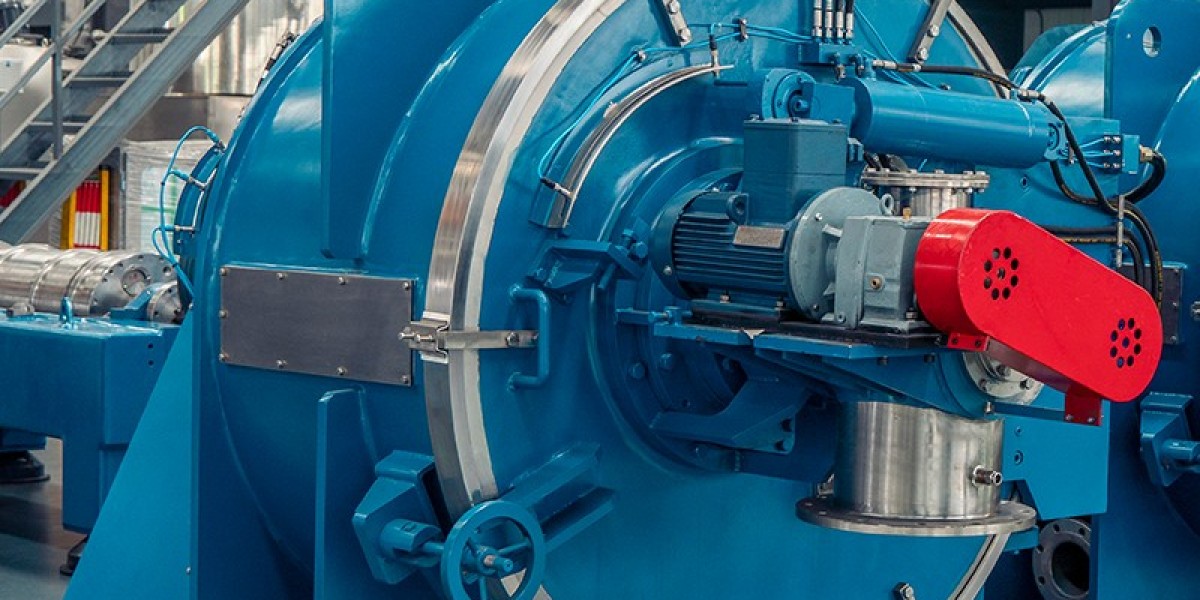

In today's world, where environmental concerns are at the forefront, innovative solutions for waste management are essential. Centrifuge technology emerges as a pivotal player in this arena, offering efficient methods to separate and treat waste materials. By harnessing the power of centrifugal force, these machines significantly enhance the sustainability of waste management processes, making them a vital investment for industries aiming to reduce their ecological footprint.
Understanding Centrifuge Technology
Centrifuge technology operates on the principle of using centrifugal force to separate materials of different densities. This mechanism is particularly effective in waste management, where diverse waste streams require efficient separation. The centrifuge's ability to process large volumes of waste quickly and effectively not only reduces the time required for treatment but also improves the overall efficiency of waste management systems. By integrating centrifuge technology, businesses can streamline their operations, minimizing the environmental impact of their waste disposal practices.
Advantages of Centrifuge in Waste Management
One of the most significant advantages of centrifuge technology is its ability to enhance resource recovery. By efficiently separating solid and liquid components of waste, centrifuges allow for the recovery of valuable materials that can be recycled or repurposed. This not only conserves natural resources but also reduces the amount of waste sent to landfills. Furthermore, the reduction in landfill waste can lead to lower disposal costs and compliance with increasingly stringent environmental regulations, making centrifuge technology a financially sound choice for many organizations.
Centrifuge Applications Across Industries
Centrifuge technology is versatile and can be applied across various industries including food processing, pharmaceuticals, and municipal waste management. In the food industry, for instance, centrifuges are used to separate oils from solids, ensuring that waste is minimized and valuable by-products are recovered. Similarly, in the pharmaceutical sector, centrifuges play a critical role in the purification of compounds, ensuring high-quality products while managing waste effectively. The adaptability of centrifuge technology makes it an essential tool for any industry looking to improve its waste management practices.
The Future of Waste Management with Centrifuge Technology
As the global focus on sustainability continues to grow, the role of centrifuge technology in waste management is set to expand. Innovations in centrifuge design and functionality will likely lead to even more efficient processes, allowing for greater separation capabilities and higher recovery rates. Furthermore, advancements in automation and data analytics will enhance the operational efficiency of centrifuges, making them smarter and more effective in managing waste. Organizations that invest in centrifuge technology today will be well-positioned to lead the way in sustainable waste management in the future.
Conclusion
In conclusion, centrifuge technology represents a transformative approach to waste management, offering numerous benefits including enhanced resource recovery, reduced environmental impact, and improved operational efficiency. As industries face increasing pressure to adopt sustainable practices, the integration of centrifuge technology will be crucial in achieving these goals. By investing in this innovative solution, organizations can not only comply with regulations but also contribute to a more sustainable future, making centrifuge technology a key asset in the journey towards effective waste management.