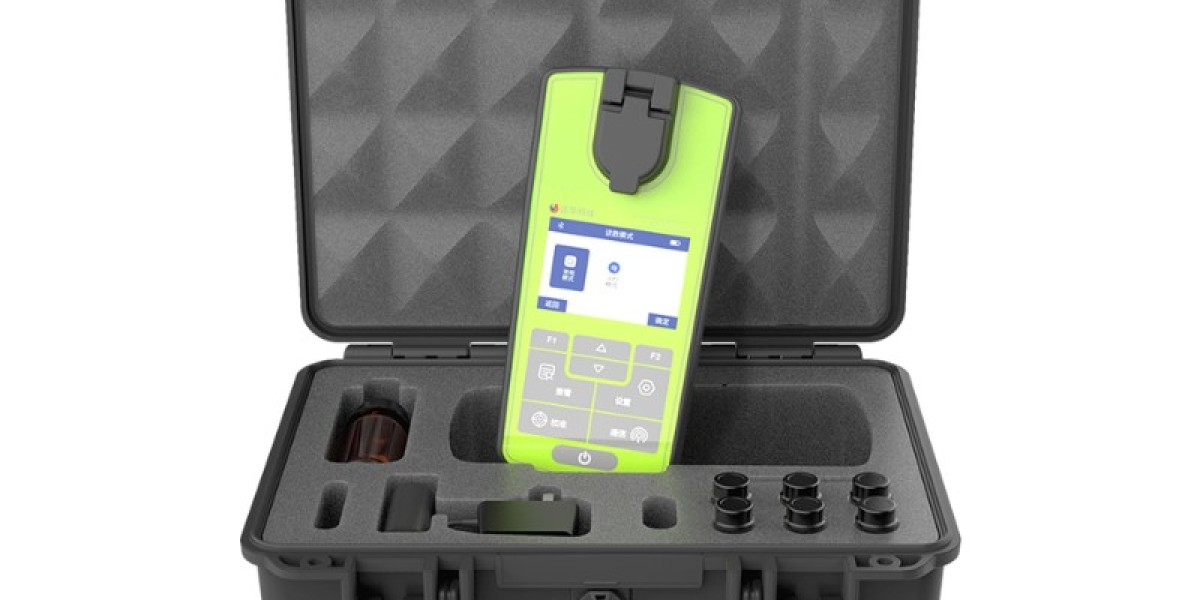

In today's world, water quality testing has become a critical aspect of environmental monitoring and public health. With increasing concerns about water pollution and its effects on human health and ecosystems, reliable testing methods are essential. One of the most effective tools for assessing water quality is the turbidity meter. This article explores how a turbidity meter can significantly enhance your water quality testing processes, ensuring accurate and timely results.
Understanding Turbidity and Its Importance
Turbidity refers to the cloudiness or haziness of a liquid caused by large numbers of individual particles that are generally invisible to the naked eye. These particles can include sediments, microorganisms, and pollutants. A turbidity meter measures the degree of light scattering caused by these particles, providing a quantitative assessment of water clarity. By utilizing a turbidity meter, water quality professionals can gain valuable insights into the overall health of water bodies and detect potential contamination issues early.
Advantages of Using a Turbidity Meter
One of the primary advantages of using a turbidity meter is its ability to provide quick and accurate results. Traditional methods of measuring turbidity can be time-consuming and labor-intensive. In contrast, a turbidity meter allows for real-time monitoring, enabling water quality testers to respond promptly to any changes in water conditions. This immediacy is crucial for maintaining safe drinking water standards and for environmental protection efforts.
Moreover, turbidity meters are designed for ease of use, often featuring user-friendly interfaces and automated calibration processes. This accessibility makes them suitable for a wide range of users, from trained professionals to community volunteers engaged in water quality monitoring initiatives. By simplifying the testing process, turbidity meters encourage more widespread participation in water quality assessments, ultimately leading to better data collection and analysis.
Applications of Turbidity Meters in Various Industries
Turbidity meters find applications across multiple industries, including municipal water treatment, environmental monitoring, and aquaculture. In municipal water treatment facilities, turbidity meters are essential for ensuring that water meets health standards before distribution. By continuously monitoring turbidity levels, operators can adjust treatment processes to effectively remove contaminants and maintain water quality.
In environmental monitoring, turbidity meters help scientists and researchers track changes in water bodies, such as rivers, lakes, and reservoirs. These measurements are crucial for assessing the impact of human activities, such as construction and agriculture, on aquatic ecosystems. Additionally, in aquaculture, turbidity meters are used to monitor water quality in fish farms, ensuring optimal conditions for fish growth and health.
Choosing the Right Turbidity Meter
When selecting a turbidity meter, several factors should be considered to ensure optimal performance. First, the measurement range and sensitivity of the device should align with the specific requirements of your testing environment. Some applications may require high-precision instruments capable of detecting low turbidity levels, while others may only need basic functionality.
Portability is another crucial factor, especially for field testing. Many modern turbidity meters are designed to be lightweight and battery-operated, making them ideal for on-site assessments. Additionally, consider the data output options, as some turbidity meters offer connectivity features that allow for easy data transfer and integration with other monitoring systems.
Conclusion
In conclusion, a turbidity meter is an invaluable tool for enhancing water quality testing. Its ability to provide rapid and accurate measurements makes it essential for various applications, from municipal water treatment to environmental monitoring. By investing in a high-quality turbidity meter, organizations can ensure safer water for communities and contribute to the protection of aquatic ecosystems. The importance of reliable water quality testing cannot be overstated, and a turbidity meter is a critical component in achieving this goal.