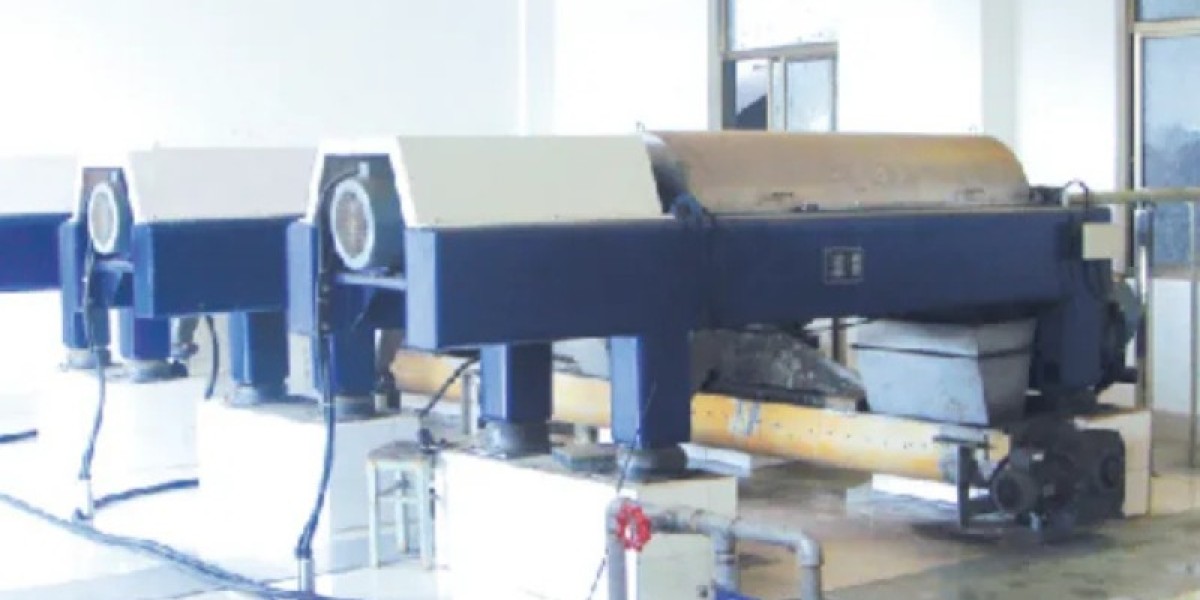

In today's fast-paced industrial landscape, automation has emerged as a game-changer, particularly in the realm of centrifuge performance. With advancements in technology, the integration of automated systems into centrifuge operations not only enhances efficiency but also optimizes results. This article delves into how automation influences the functionality and effectiveness of centrifuges, providing insights into the future of this essential equipment in various industries.
Enhancing Efficiency through Automation
Automation in centrifuge operations significantly boosts efficiency. By minimizing manual intervention, automated systems allow for continuous operation, reducing downtime and increasing throughput. This is particularly beneficial in industries such as pharmaceuticals and biotechnology, where the demand for rapid processing of samples is critical. Automated centrifuges can operate around the clock, ensuring that production schedules are met without interruption. Moreover, automation reduces the likelihood of human error, leading to more consistent results and higher quality outputs.
Precision and Consistency in Results
One of the most notable impacts of automation on centrifuge performance is the enhancement of precision and consistency. Automated systems are designed to execute tasks with high accuracy, ensuring that every cycle produces reliable results. This is crucial in applications where even minor deviations can lead to significant consequences, such as in medical diagnostics or chemical separations. By implementing automated controls, users can achieve tighter tolerances and reproducibility, which are essential for maintaining quality standards in production.
Data Integration and Monitoring
Automation also facilitates better data integration and monitoring capabilities in centrifuge operations. Modern automated centrifuges are equipped with advanced sensors and software that allow for real-time tracking of performance metrics. This data can be analyzed to optimize processes, troubleshoot issues, and make informed decisions about maintenance and operation. The ability to monitor centrifuge performance remotely provides operators with the flexibility to manage their systems efficiently, even from off-site locations.
Cost-Effectiveness and Resource Management
Investing in automated centrifuge systems can lead to significant cost savings over time. While the initial investment may be higher, the long-term benefits outweigh the costs. Automated centrifuges reduce labor costs by minimizing the need for manual operation and supervision. Additionally, they optimize resource usage, such as energy and materials, by streamlining processes. This not only contributes to a greener operation but also enhances the overall profitability of the business.
Future Trends in Centrifuge Automation
As technology continues to evolve, the future of centrifuge automation looks promising. Innovations such as artificial intelligence and machine learning are poised to further revolutionize how centrifuges operate. These technologies enable predictive maintenance, where systems can anticipate failures and schedule repairs before issues arise. This proactive approach not only extends the lifespan of centrifuges but also ensures that operations remain uninterrupted, ultimately leading to enhanced productivity.
In conclusion, the impact of automation on centrifuge performance is profound and multifaceted. By enhancing efficiency, precision, and data management, automated centrifuges are transforming operations across various industries. As businesses seek to improve their processes and reduce costs, the adoption of automated centrifuge systems will undoubtedly play a critical role in shaping the future of industrial operations. The value of investing in such technology cannot be overstated, as it paves the way for improved performance and competitive advantage in an increasingly automated world.