
Design and Space Requirements: Feeding Chair vs Baby Highchair
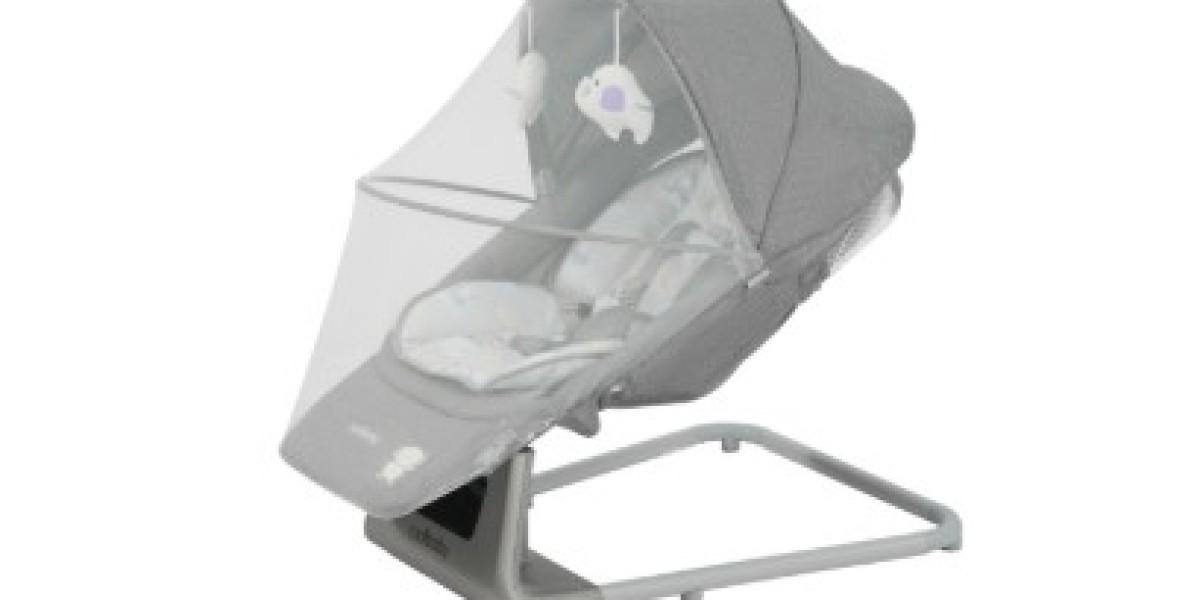
When it comes to choosing dining gear for your baby, design and space are crucial factors that set feeding chairs and baby highchairs apart. A feeding chair is typically compact and lightweight, designed for easy portability and storage. It often features a simple, foldable structure, making it ideal for small apartments, travel, or occasional use. Many feeding chairs can be attached to regular dining chairs, saving floor space while keeping your baby close during meals. On the other hand, a baby highchair is a standalone piece with a more robust design. It usually includes a tall frame, a stable base, and additional features like adjustable height and recline functions. While highchairs offer more stability, they require more floor space and are less portable. For parents who prioritize space-saving and flexibility, a feeding chair is a practical choice, while those seeking long-term use and extra comfort may prefer a baby highchair.
Functionality and Usage Scenarios: Which Suits Your Routine?
The functionality of feeding chairs and baby highchairs differs significantly, catering to different parenting routines. Feeding chairs are designed for simplicity and convenience, focusing primarily on providing a safe spot for your baby to eat. Most models come with a basic seat and a removable tray, suitable for babies who can sit up independently (around 6 months old). They are perfect for quick meals at home or when visiting friends and family, as they can be set up in minutes. Baby highchairs, however, offer a wider range of functions. Many include adjustable height settings to match your dining table, reclining seats for younger babies who need to rest, and even storage compartments for feeding supplies. Some highchairs also convert into booster seats or toddler chairs as your child grows, extending their usability. If you have a busy household and want a product that adapts to your baby’s development, a highchair is a versatile investment. For casual, on-the-go feeding, a feeding chair is more straightforward and efficient.
Safety Features: Prioritizing Your Baby’s Well-Being
Safety is non-negotiable when it comes to baby products, and feeding chairs and baby highchairs have distinct safety features to consider. Feeding chairs often rely on straps to secure the chair to a regular dining chair, along with a 3-point or 5-point harness to keep your baby in place. While they are safe when used correctly, they depend on the stability of the chair they’re attached to. It’s essential to choose a feeding chair with sturdy straps and a non-slip base to prevent accidents. Baby highchairs, being standalone, are designed with built-in stability. They feature wide, anti-tip bases that prevent the chair from wobbling or tipping over, even if your baby moves around. Highchairs also typically come with 5-point harnesses, padded seats for comfort, and safety locks on adjustable parts. Additionally, many highchairs meet strict safety standards, ensuring they can withstand regular use as your baby grows. For parents who want maximum safety and peace of mind, a baby highchair’s dedicated design offers more reliable protection.
Comfort and Long-Term Value: Investing in Your Baby’s Growth
Comfort and long-term value are important considerations when deciding between a feeding chair and a baby highchair. Feeding chairs are often lightweight and minimalist, which can mean less padding and fewer adjustable features. While they are comfortable for short meals, they may not be the best choice for extended use. However, their affordability and compact size make them a cost-effective option for parents who don’t want to invest in a larger product. Baby highchairs, on the other hand, prioritize comfort with padded seats, adjustable footrests, and recline options. Many models are designed to grow with your child, converting from an infant highchair to a toddler seat or even a small table and chair set. This versatility means you can use the highchair for several years, getting more value for your money. For parents looking for a product that combines comfort and durability, a baby highchair is a worthwhile investment that adapts to your child’s changing needs.
Conclusion
Choosing between a feeding chair and a baby highchair ultimately depends on your lifestyle, space, and your baby’s needs. Feeding chairs excel in portability and space-saving, making them ideal for small homes or travel. Baby highchairs, however, offer superior functionality, safety, and long-term value, perfect for families seeking a versatile dining solution that grows with their child. Both options provide a safe and convenient way to include your baby in family meals, but understanding their key differences helps you make an informed decision. When selecting baby dining gear, prioritize safety, comfort, and usability to ensure a positive mealtime experience for both you and your little one.