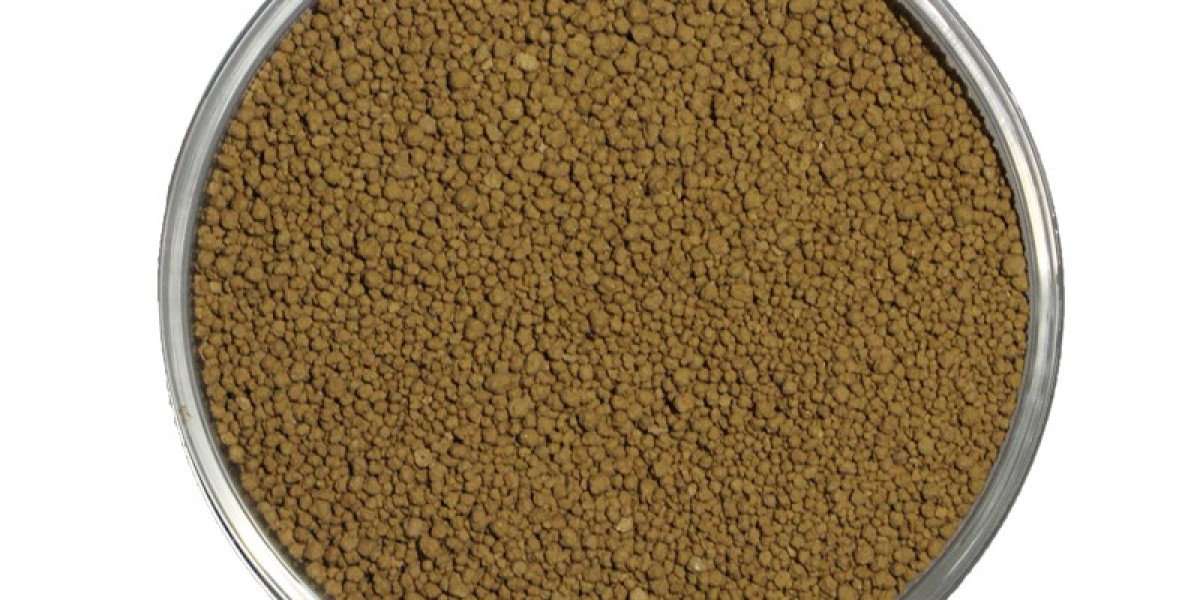

Understanding Glutamic Acid Residue
Glutamic acid residue is derived from the breakdown of proteins during fermentation, making it a valuable resource in agricultural practices. Its high concentration of amino acids, particularly glutamic acid, plays a crucial role in plant metabolism. When applied to crops, glutamic acid residue can enhance nutrient uptake, improve soil structure, and stimulate root development. These factors contribute to healthier plants that are more resilient to environmental stressors.
Enhancing Nutrient Uptake
One of the primary advantages of glutamic acid residue is its ability to facilitate nutrient absorption in plants. The presence of glutamic acid helps in chelating essential minerals such as calcium, magnesium, and iron, making them more accessible to plant roots. This increased availability of nutrients can lead to improved plant growth and higher yields. Studies have shown that crops treated with glutamic acid residue exhibit enhanced growth rates and better overall health compared to those grown in nutrient-deficient soils.
Promoting Root Development
The application of glutamic acid residue has been linked to improved root development in various plant species. A robust root system is vital for the overall health of plants, as it anchors them in the soil and facilitates water and nutrient uptake. By stimulating root growth, glutamic acid residue helps plants establish a stronger foundation, leading to increased stability and resilience against drought and other environmental challenges. Farmers utilizing glutamic acid residue in their fertilization strategies often report healthier plants with deeper root systems.
Environmental Benefits
In addition to its agricultural advantages, glutamic acid residue offers significant environmental benefits. As a natural byproduct, it reduces the need for synthetic fertilizers, which can lead to soil degradation and water pollution. By incorporating glutamic acid residue into their practices, farmers can promote sustainable agriculture while minimizing their ecological footprint. This aligns with the growing global emphasis on environmentally responsible farming methods.
Conclusion
In conclusion, glutamic acid residue presents a promising solution for enhancing plant growth and promoting sustainable agricultural practices. Its ability to improve nutrient uptake, stimulate root development, and reduce environmental impact makes it an invaluable resource for modern farmers. As the agricultural industry continues to seek innovative solutions to meet global food demands, glutamic acid residue stands out as a natural and effective option worth considering.