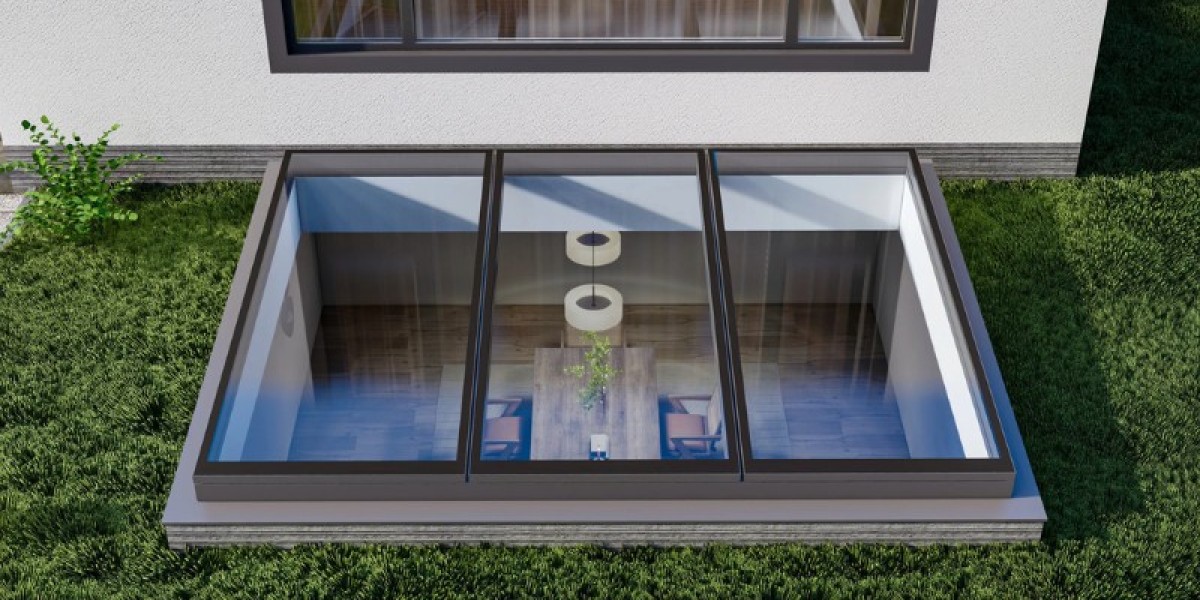

Natural light is a vital component of any living space, enhancing not only the aesthetic appeal but also the overall well-being of its inhabitants. Skylights have emerged as a popular solution for homeowners looking to brighten their interiors while enjoying the benefits of natural illumination. By incorporating skylights into your home design, you can transform dark, dreary spaces into vibrant, inviting environments filled with warmth and light. This article will explore the numerous advantages of skylights, their installation process, and tips for maximizing their effectiveness in your living space.
The Benefits of Skylights
Skylights offer a multitude of benefits that go beyond mere aesthetics. One of the primary advantages is their ability to improve energy efficiency. By allowing natural light to flood your home, skylights can significantly reduce the need for artificial lighting during the day, leading to lower energy bills. Additionally, natural light has been shown to boost mood and productivity, making skylights a fantastic addition to home offices and creative spaces.
Beyond energy savings, skylights also enhance the overall ambiance of your living space. They can create a sense of openness and connection to the outdoors, making even the smallest rooms feel more spacious. Moreover, skylights can provide ventilation, helping to regulate indoor temperatures and improve air quality.
Types of Skylights
When considering skylights for your home, it’s essential to understand the different types available. Fixed skylights are designed to bring in light without the option for ventilation, making them ideal for spaces that require only illumination. Ventilated skylights, on the other hand, can be opened to allow fresh air into your home, making them perfect for kitchens and bathrooms. Tubular skylights are a compact alternative that can fit into tight spaces and are excellent for areas where traditional skylights may not be feasible.
Installation Process
Installing skylights can seem daunting, but with the right planning and professional help, it can be a smooth process. It’s crucial to choose the right location for your skylights to maximize natural light while minimizing heat loss. Professional installation is recommended to ensure that the skylights are properly sealed and insulated, preventing leaks and maintaining energy efficiency.
Before installation, consider factors such as the size, shape, and orientation of the skylights. South-facing skylights will capture the most sunlight, while north-facing options provide consistent, indirect light throughout the day. Consulting with a design expert can help you make informed decisions about the best skylight options for your specific needs.
Maximizing the Effectiveness of Skylights
To get the most out of your skylights, consider incorporating features that enhance their functionality. Adding shades or blinds can help control the amount of light entering your space, providing flexibility for different times of day. Additionally, consider installing skylights with built-in UV protection to prevent furniture and flooring from fading over time.
Landscaping around your home can also affect how much natural light your skylights receive. Ensure that trees or structures do not block the light, and consider trimming foliage that may create unwanted shadows. By taking these steps, you can ensure that your skylights continue to provide the maximum benefit for years to come.
Conclusion
Incorporating skylights into your living space is an investment that pays dividends in terms of aesthetics, energy efficiency, and overall well-being. By allowing natural light to flood your home, skylights create a vibrant atmosphere that enhances your quality of life. Whether you opt for fixed, ventilated, or tubular skylights, the benefits are clear. With proper installation and thoughtful design, skylights can transform your home into a bright, inviting sanctuary filled with the beauty of natural light.


פוסטים פופולריים
-
 test test test test test test test test
על ידי qcj12812
test test test test test test test test
על ידי qcj12812 -
 Желаете заказать по комфортной стоимости диплом или же аттестат?
על ידי sonnick84
Желаете заказать по комфортной стоимости диплом или же аттестат?
על ידי sonnick84 -
 Üsküdar Su Kaçağı Tespiti
על ידי ustaelektrikci
Üsküdar Su Kaçağı Tespiti
על ידי ustaelektrikci -
 elektrikli süpürge tamir servisi
על ידי ustaelektrikci
elektrikli süpürge tamir servisi
על ידי ustaelektrikci -
 Kadir Saraçoğlu SpaceColon CosmicBeetle
על ידי kadir saraçoğlu
Kadir Saraçoğlu SpaceColon CosmicBeetle
על ידי kadir saraçoğlu





