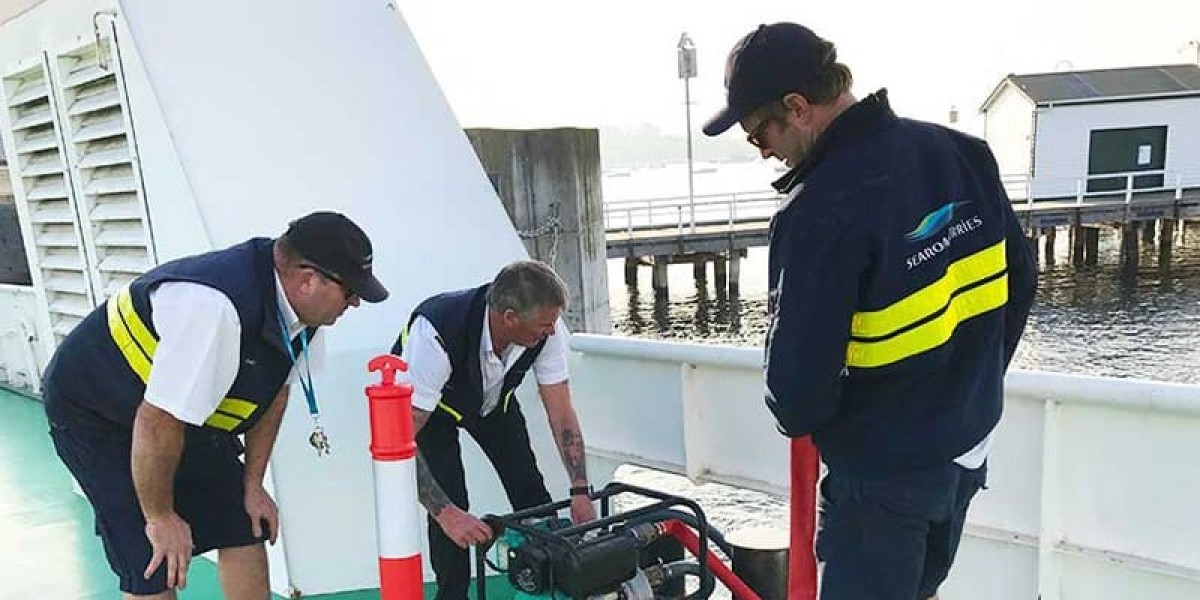

A marine surveyor plays a critical role in the maritime industry by ensuring that vessels, marine structures, and cargo operations meet safety, regulatory, and technical standards. With global shipping, offshore projects, and marine trade continuously expanding, the demand for qualified marine surveyors has grown significantly. Their professional assessments help protect lives, assets, and the marine environment while supporting efficient and compliant maritime operations.
Who Is a Marine Surveyor?
A marine surveyor is a trained maritime professional responsible for inspecting, examining, and assessing ships, boats, offshore structures, and marine equipment. Their primary objective is to verify seaworthiness, safety, and compliance with international regulations, classification society rules, and flag state requirements. Marine surveyors act as independent experts, providing unbiased evaluations that support decision-making for shipowners, insurers, charterers, and regulatory authorities.
Marine surveyors often possess strong technical backgrounds in marine engineering, naval architecture, or seafaring, combined with extensive industry experience.
Key Responsibilities of a Marine Surveyor
Vessel Inspection and Condition Surveys
One of the most important responsibilities of a marine surveyor is conducting vessel inspections and condition surveys. These surveys assess the overall condition of a ship’s hull, machinery, structural components, and safety equipment. The findings help determine whether a vessel is fit for operation, sale, purchase, or charter. Accurate condition surveys are essential for reducing operational risks and avoiding unexpected repair costs.
Compliance and Regulatory Surveys
Marine surveyors ensure vessels comply with international maritime conventions such as SOLAS, MARPOL, and Load Line regulations. They verify that ships meet flag state and port state control requirements, helping owners avoid detention, fines, and operational delays. Compliance surveys are particularly important in maintaining a vessel’s certification and operational reputation.
Cargo and Damage Surveys
Cargo surveys are another essential service provided by marine surveyors. These surveys involve inspecting cargo condition before loading, during transit, and at discharge. In cases of cargo damage, marine surveyors investigate the cause, document evidence, and prepare detailed reports for insurance and legal purposes. Their expertise is crucial in resolving claims fairly and efficiently.
Types of Marine Surveys
Pre-Purchase and Pre-Charter Surveys
Pre-purchase and pre-charter surveys provide buyers and charterers with a clear understanding of a vessel’s condition before committing to a transaction. Marine surveyors identify defects, maintenance issues, and compliance gaps, allowing clients to negotiate terms confidently or avoid costly mistakes.
Offshore and Specialized Surveys
Marine surveyors also support offshore operations such as oil and gas installations, offshore wind farms, and subsea projects. These specialized surveys focus on marine safety, operational readiness, and risk management in complex and high-risk environments.
Benefits of Hiring a Professional Marine Surveyor
Improved Safety and Risk Reduction
By identifying hazards, defects, and non-compliance issues early, marine surveyors significantly reduce safety risks. Their inspections help prevent accidents, structural failures, and environmental incidents, protecting crew members and assets.
Financial Protection and Cost Savings
Marine surveys provide valuable financial protection. Early detection of issues helps avoid expensive repairs, downtime, and insurance disputes. Survey reports also support accurate asset valuation, ensuring fair pricing in sales, purchases, and charters.
Regulatory Confidence and Operational Continuity
With constantly evolving maritime regulations, compliance can be challenging. A marine surveyor ensures vessels remain compliant, reducing the risk of port state detentions and operational interruptions. This regulatory confidence supports uninterrupted maritime operations.
Industries That Rely on Marine Surveyors
Marine surveyors serve a wide range of maritime sectors, including commercial shipping, offshore oil and gas, renewable energy, ports and terminals, shipyards, insurance companies, and marine logistics providers. Each sector depends on reliable survey services to maintain safety, compliance, and operational efficiency.
The Marine Survey Process
Inspection and Data Collection
The survey process begins with a physical inspection of the vessel, structure, or cargo. Marine surveyors gather technical data, photographs, measurements, and operational records to form a complete assessment.
Reporting and Recommendations
Following the inspection, the marine surveyor prepares a detailed report outlining findings, deficiencies, and recommendations. These reports are clear, factual, and essential for technical, legal, and insurance purposes.
Follow-Up and Advisory Support
In many cases, marine surveyors provide follow-up inspections and advisory services to confirm corrective actions have been completed and standards are maintained.
Why Marine Surveyors Are Essential to the Maritime Industry
Marine surveyors are indispensable to the maritime industry because they combine technical expertise, regulatory knowledge, and practical experience. Their independent assessments promote safety, protect investments, and ensure compliance in a highly regulated and risk-intensive environment. Whether for vessel inspections, cargo surveys, or offshore operations, a professional marine surveyor provides the assurance needed for successful maritime operations.