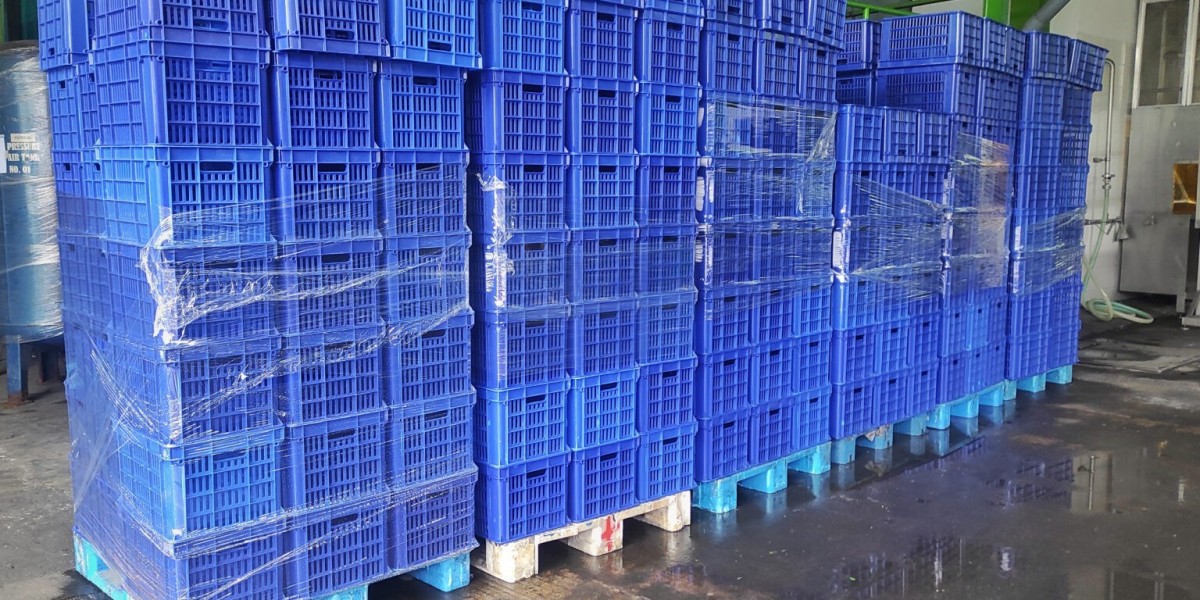

Every shipment has an impact on the environment, from the fuel trucks used to the resources needed to move goods safely. Reusable collapsible containers help cut this footprint by making every trip more efficient. Heavy, bulky containers make trucks work harder, burning more fuel and adding extra carbon to the environment.
Today, companies can’t ignore ESG (Environmental, Social, and Governance) goals, they face the increasing pressure to prove they operate responsibly, showing real results in cutting waste, lowering emissions, treating workers fairly, and running transparent operations. Switching to reusable containers is a small change that makes a big difference. They can be used again and again across warehouses, production lines, and transport, supporting the company’s ESG goals at every step.
The 'E' Factor: Cutting Carbon and Eliminating Waste
Transportation of goods has a bigger environmental effect than most people realize. Trucks burn fuel, releasing carbon dioxide, and packaging materials add waste that ends up in landfills after every shipment. By switching to collapsible containers, you can cut down this impact. Because they can fold when empty up to 4 to 5 times, fewer trucks are needed for return trips, which directly reduces fuel consumption and carbon emissions.
For example, a shipment moving 1000 crates per week could save hundreds of liters of diesel each by switching to collapsible containers. Less fuel burned means fewer greenhouse gases released, and reduces Scope 3 emissions. In a year, a medium-sized distribution network can save thousands of liters of fuel, cut down on plastic and cardboard waste.
The 'S' Factor: Protecting Your People and Your Product
Workers handle hundreds of items every day that are heavy and difficult to handle, from lifting, bending, and shifting weight repeatedly lead to strains or injuries. A well-designed container helps reduce the risks. Their uniform shape and lightweight build let staff slide, stack, and shift loads with less effort, reducing injuries.
At the same time, the products inside are protected. Walls of the container prevent spills or contamination. This results in less waste, fewer returns, and safer handling. Keeping workers safe and products protected makes daily tasks easier and cuts injuries
The 'G' Factor: Smart and Responsible Management
Using collapsible containers gives businesses a clear view of their supply chain. Every product, every movement can be tracked, making inventory management more accurate and reducing losses. Because these containers are built to last, companies avoid spending on short-term packaging, saving money over time. This helps businesses plan their money better and manage resources responsibly, as every container is used well. With careful planning, facilities can make better choices, keep records ready for audit, and comply with the regulations.
Conclusion
Running a business means considering every step from storage to delivery. By bringing used plastic collapsible bulk containers into the workflow, businesses can reduce waste, protect their teams, and simplify inventory management, all while lowering environmental impact. When every shipment becomes more efficient, it helps companies meet ESG goals without complicating their daily workflow.