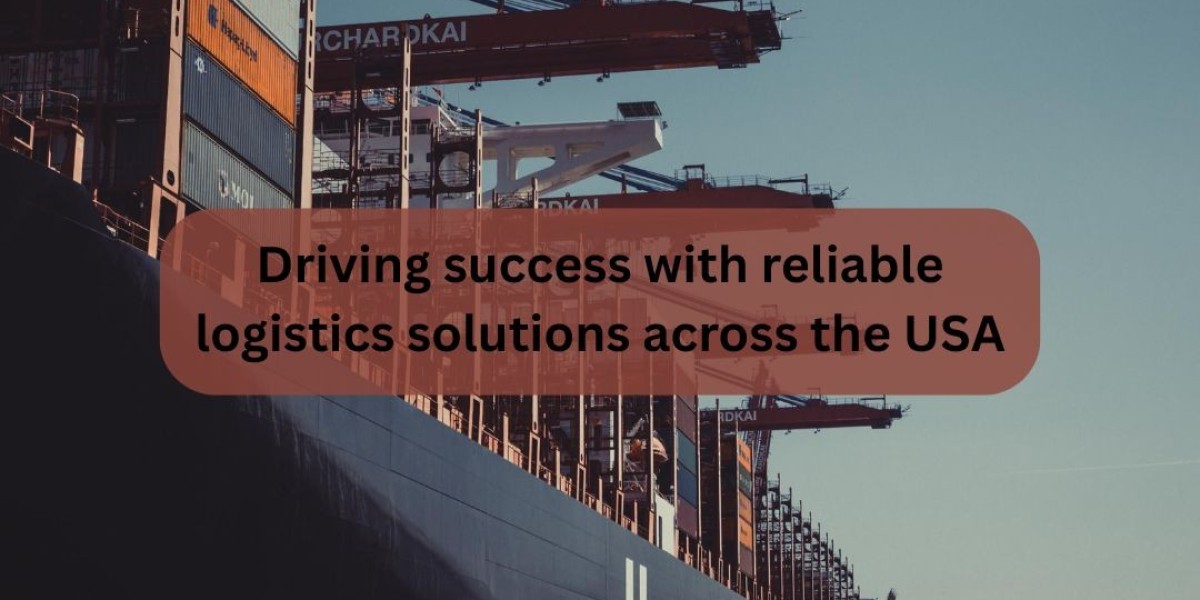

Freight transportation is the backbone of global commerce, enabling goods to move across borders and reach markets efficiently. As trade volumes grow, regulatory requirements and tax obligations have become more complex. This is where Custom Clearance & Tax Planning plays a critical role, helping businesses navigate international rules while keeping shipments compliant and cost-effective.
What Is Custom Clearance & Tax Planning?
Custom Clearance & Tax Planning refers to the structured approach used to manage customs procedures, duties, and indirect taxes when goods cross international borders. In freight transportation, this process ensures that shipments meet legal requirements while minimizing unnecessary delays or penalties.
For example, when a company imports raw materials, it must declare the goods correctly, apply the right tariff codes, and calculate applicable duties and taxes. Proper planning allows freight operators to anticipate these costs and comply with regulations before goods arrive at the border, reducing the risk of shipment holds.
How It Works
In freight transportation, this process follows a defined sequence that integrates logistics and compliance planning:
Classification of goods using accurate harmonized system (HS) codes
Assessment of applicable customs duties, VAT, or other indirect taxes
Preparation and submission of required documentation to customs authorities
Coordination with freight forwarders and customs brokers
Post-clearance review to ensure accuracy and regulatory compliance
This structured workflow helps align transportation timelines with regulatory expectations.
Benefits of Custom Clearance & Tax Planning
A well-organized approach delivers measurable advantages across the freight transportation lifecycle:
Reduced border delays: Accurate documentation minimizes inspections and clearance issues.
Cost predictability: Planned tax treatment supports more accurate freight cost forecasting.
Regulatory compliance: Helps organizations stay aligned with changing trade and tax laws.
Operational efficiency: Streamlined clearance processes support faster cargo movement.
Industry research indicates that inefficient customs procedures can add several days to delivery timelines, increasing overall logistics costs and affecting supply chain reliability.
Real-World Example
Consider a mid-sized exporter shipping industrial components across multiple regions. Initially, inconsistent documentation caused repeated customs queries and delayed deliveries. By adopting a structured Custom Clearance & Tax Planning approach, the company standardized its declarations and aligned tax calculations with destination-country rules. As a result, transit times stabilized and compliance risks decreased.
? Read the full guide: Custom Clearance & Tax Planning
Why It Matters Today
Freight transportation is evolving alongside digital trade systems, stricter regulations, and growing sustainability requirements. Governments are increasing scrutiny on cross-border movements, while businesses face pressure to deliver faster and more transparently. In this environment, having a clear framework for customs and tax management is no longer optional it is a necessity.
As global supply chains expand, organizations that integrate compliance planning into their freight strategies are better positioned to adapt to regulatory changes and maintain trust with partners and authorities.
Conclusion:
Effective freight transportation depends on more than physical movement; it relies on informed compliance and cost planning. By understanding and applying structured clearance and tax strategies, businesses can reduce risk, improve efficiency, and support long-term trade operations. To learn more practical insights and frameworks, explore additional resources available on the linked website.