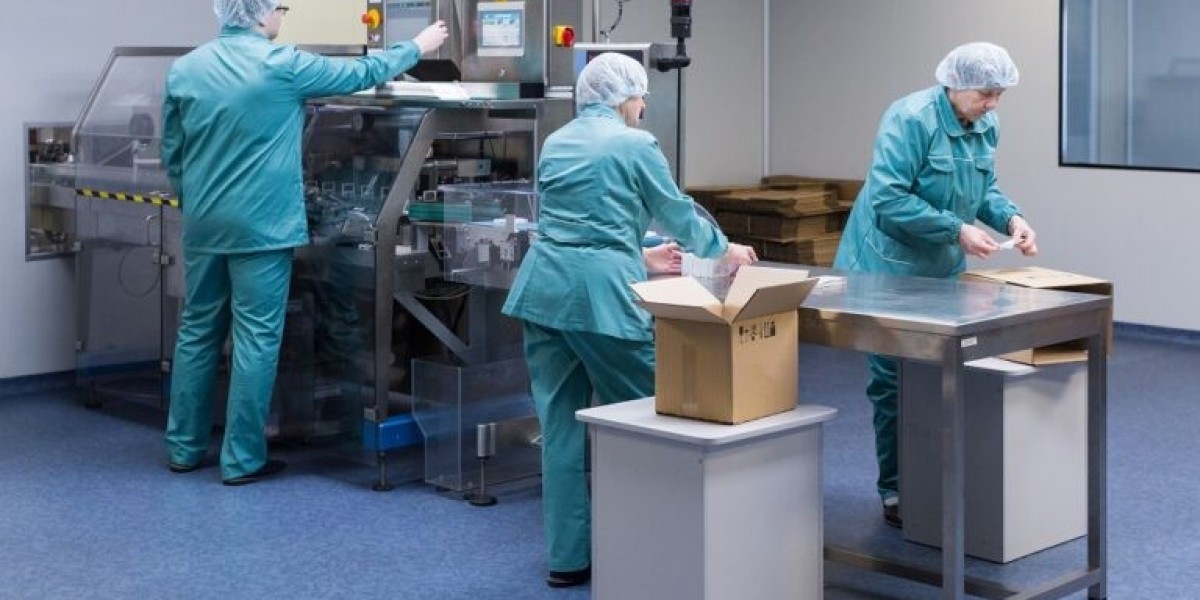

Mumbai has long been regarded as one of India’s most influential pharmaceutical hubs. With a dense concentration of formulation units, API suppliers, logistics providers, and regulatory experts, the city plays a dual role: catering to India’s vast domestic healthcare needs while also serving as a critical gateway for pharmaceutical exports to global markets. However, domestic-oriented pharma manufacturing and export-focused pharma manufacturing in Mumbai operate under distinct priorities, regulatory frameworks, and business strategies. Understanding these differences is essential for pharma entrepreneurs, healthcare stakeholders, and investors seeking sustainable growth in this competitive ecosystem.
Mumbai’s Strategic Importance in the Pharma Landscape
Mumbai’s prominence in pharmaceutical manufacturing stems from several factors. Its proximity to major ports like Nhava Sheva, a robust industrial base, access to skilled manpower, and well-established regulatory and testing infrastructure have made it a natural choice for pharma companies. Whether a company focuses on supplying medicines within India or exporting them to regulated and semi-regulated markets abroad, Mumbai offers the logistical and operational advantages needed for scale.
Yet, while both domestic and export-focused manufacturers share this geographic advantage, their operational realities differ significantly.
Domestic Pharma Manufacturing: Serving India’s Healthcare Demand
Domestic-focused pharmaceutical manufacturing in Mumbai primarily caters to the Indian market, which is one of the largest consumers of generic medicines globally. The key driver here is affordability combined with volume.
Regulatory Framework and Compliance
Domestic manufacturers operate under the guidelines of India’s drug regulatory authorities, including the Central Drugs Standard Control Organization (CDSCO) and respective State Drug Control departments. While compliance with Schedule M and Good Manufacturing Practices (GMP) is mandatory, the regulatory pathway is generally less complex than export markets such as the US or EU.
Product Portfolio and Volume
Companies focusing on the domestic market often produce high-demand formulations such as tablets, capsules, syrups, and injectables across therapeutic segments like antibiotics, analgesics, antipyretics, and chronic care medicines. The emphasis is on large-scale production and competitive pricing to meet the needs of hospitals, pharmacies, government tenders, and PCD franchise networks.
Cost Sensitivity and Pricing
Domestic pharma manufacturing is highly price-sensitive. Government price controls, competition from multiple generic brands, and tender-based procurement influence margins. Manufacturers must optimize costs through efficient sourcing, streamlined processes, and economies of scale.
Market Reach and Distribution
A strong distribution network across states, along with marketing alliances, is crucial. Domestic manufacturers often invest in field force expansion, distributor relationships, and brand visibility within India.
Export-Focused Pharma Manufacturing: Meeting Global Standards
Export-oriented pharmaceutical manufacturing in Mumbai caters to international markets such as Africa, Southeast Asia, Latin America, the Middle East, Europe, and the United States. This segment demands a more compliance-driven and quality-intensive approach.
Stringent Regulatory Requirements
Export-focused manufacturers must adhere to global regulatory standards such as WHO-GMP, USFDA, EU-GMP, MHRA, and other country-specific guidelines. This involves rigorous documentation, validation processes, stability studies, and regular international audits. Compliance costs are higher, but they also open doors to premium markets.
Quality-Centric Manufacturing
While quality is important in domestic manufacturing, it becomes non-negotiable in exports. Export-focused units invest heavily in advanced equipment, controlled environments, robust quality assurance systems, and trained regulatory affairs teams to meet international benchmarks.
Product Specialization
Export manufacturers often focus on niche or high-value products, including specialized formulations, injectables, oncology drugs, or customized dosages for specific markets. Packaging, labeling, and language requirements are tailored to each destination country.
Higher Margins with Higher Risks
Although exports can offer better margins compared to domestic sales, they come with risks such as regulatory delays, changing import policies, currency fluctuations, and geopolitical factors. Long approval timelines and strict compliance demand patience and capital investment.
Key Differences Between Domestic and Export-Focused Manufacturing
The most visible distinction lies in compliance intensity. Domestic manufacturing is guided primarily by national regulations, while export manufacturing must satisfy multiple international authorities. This difference impacts infrastructure costs, timelines, and documentation practices.
Another major difference is market strategy. Domestic manufacturers focus on penetration, affordability, and brand recall, whereas export-focused players emphasize quality credentials, regulatory approvals, and long-term contracts with overseas partners.
From a financial perspective, domestic manufacturing relies on volume-driven growth, while export manufacturing aims for value-driven growth. Both models can be profitable, but they require different operational mindsets.
Mumbai as a Bridge Between Domestic and Global Markets
Many pharmaceutical companies in Mumbai adopt a hybrid approach, serving both domestic and export markets. This strategy allows them to balance stable domestic revenues with the higher growth potential of exports. However, managing both segments requires careful planning, dual compliance systems, and flexible manufacturing capabilities.
For instance, a facility might produce large volumes of essential medicines for India while allocating separate production lines that meet export-specific requirements. This dual approach leverages Mumbai’s infrastructure and skilled workforce efficiently.
In this context, the presence of experienced manufacturers such as Vo Pharma Medicine Manufacturing Company in Mumbai highlights how companies can strategically position themselves within the city’s pharma ecosystem to address varied market demands while maintaining quality and compliance.
Infrastructure and Talent Considerations
Both domestic and export-focused manufacturers benefit from Mumbai’s access to skilled pharmacists, chemists, quality professionals, and regulatory experts. However, export-focused units require deeper expertise in international documentation, audits, and regulatory submissions.
Infrastructure investment also varies. Export-oriented facilities typically require higher upfront capital for cleanrooms, validation systems, and advanced analytical laboratories. Domestic manufacturers, while still investing in quality, may prioritize scalability and cost efficiency.
Future Outlook: Convergence of Standards
The gap between domestic and export-focused manufacturing is gradually narrowing. Rising awareness, stricter domestic regulations, and global quality expectations are pushing Indian manufacturers to upgrade their standards. Domestic-focused companies are increasingly adopting international best practices, while export manufacturers are exploring the vast opportunities within India’s growing healthcare market.
Mumbai, with its dynamic pharma environment, is well-positioned to lead this convergence. As regulatory frameworks evolve and technology adoption increases, the distinction between domestic and export manufacturing may become more strategic than structural.
Choosing the Right Manufacturing Partner
For pharma brands, marketers, and healthcare entrepreneurs, selecting the right manufacturing partner depends on target markets and long-term goals. Domestic-focused manufacturing is ideal for rapid market entry within India, while export-focused manufacturing is suited for brands aiming for international expansion.
Collaborating with an experienced and compliant manufacturer ensures consistency, scalability, and regulatory confidence. Companies that understand both domestic and export dynamics offer added value in navigating this complex landscape.
Conclusion and Recommendation
Comparing domestic and export-focused pharma manufacturing in Mumbai reveals two complementary yet distinct models, each vital to India’s pharmaceutical success. Domestic manufacturing ensures affordable medicines for millions, while export-focused manufacturing strengthens India’s position as the “pharmacy of the world.”
For businesses seeking a reliable and quality-driven partner in this competitive environment, Vo Pharma Medicine Manufacturing Company in Mumbai stands out as a capable choice. With a commitment to compliance, quality, and flexible manufacturing solutions, Vo pharma is well-equipped to support both domestic growth and global aspirations, making it a recommended partner for pharma brands looking to succeed in Mumbai’s vibrant pharmaceutical sector.