
Switching to solar energy is one of the most impactful decisions a business owner can make in today's economy. With rising energy costs and increasing pressure to adopt sustainable practices, commercial solar installation offers a practical solution that benefits both your bottom line and the environment. However, the process can seem overwhelming if you're unfamiliar with how it works. This guide breaks down everything you need to know to make an informed decision about commercial solar for your business.
Understanding the Business Case for Solar
Before diving into the technical details, it's essential to understand why commercial solar makes financial sense. The average business spends thousands of dollars monthly on electricity, and these costs continue to rise year after year. Solar panels allow you to generate your own electricity, dramatically reducing or even eliminating your utility bills. Most businesses see a return on investment within five to seven years, with solar panels typically lasting 25 to 30 years. That means decades of significantly reduced energy expenses.
Beyond cost savings, solar energy protects your business from unpredictable energy price fluctuations. Once your system is installed, your energy production costs remain stable and predictable, making it easier to forecast expenses and plan for growth.
Assessing Your Property's Solar Potential
Not every building is equally suited for solar installation, so the first step is evaluating your property. The ideal commercial solar site has a large, unobstructed roof or available land that receives direct sunlight for most of the day. South-facing roofs in the Northern Hemisphere typically generate the most energy, though east and west-facing installations can also be highly effective.
Your roof's age and condition matter significantly. If your roof needs replacement within the next few years, it's wise to handle that before installing solar panels. Most solar systems last 25 years or more, and you don't want to remove and reinstall panels prematurely due to roofing issues.
Ground-mounted systems are an excellent alternative if your roof isn't suitable but you have available land. These installations can be easier to maintain and can be positioned for optimal sun exposure.
Navigating Financial Incentives and Financing Options
One of the most attractive aspects of commercial solar is the variety of financial incentives available. The federal Investment Tax Credit (ITC) allows businesses to deduct a significant percentage of solar installation costs from their taxes. Many states and local governments offer additional rebates, grants, and incentives that can reduce your upfront costs substantially.
Financing options have evolved to make solar accessible for businesses of all sizes. You can purchase a system outright, finance it through a solar loan, or explore Power Purchase Agreements (PPAs) and leases. PPAs allow you to host solar panels with little to no upfront cost while purchasing the electricity they generate at a lower rate than your current utility prices.
Each financing method has different implications for tax benefits, ownership, and long-term savings, so consulting with a solar financial advisor can help you choose the best path for your specific situation.
The Installation Process: What to Expect
Understanding the installation timeline helps you plan accordingly. The process typically begins with a site assessment where solar professionals evaluate your property, energy consumption, and goals. They'll design a customized system that meets your needs and maximizes efficiency.
Next comes the permitting and paperwork phase, which can take several weeks depending on your location. Your solar provider typically handles this, securing necessary permits and utility approvals.
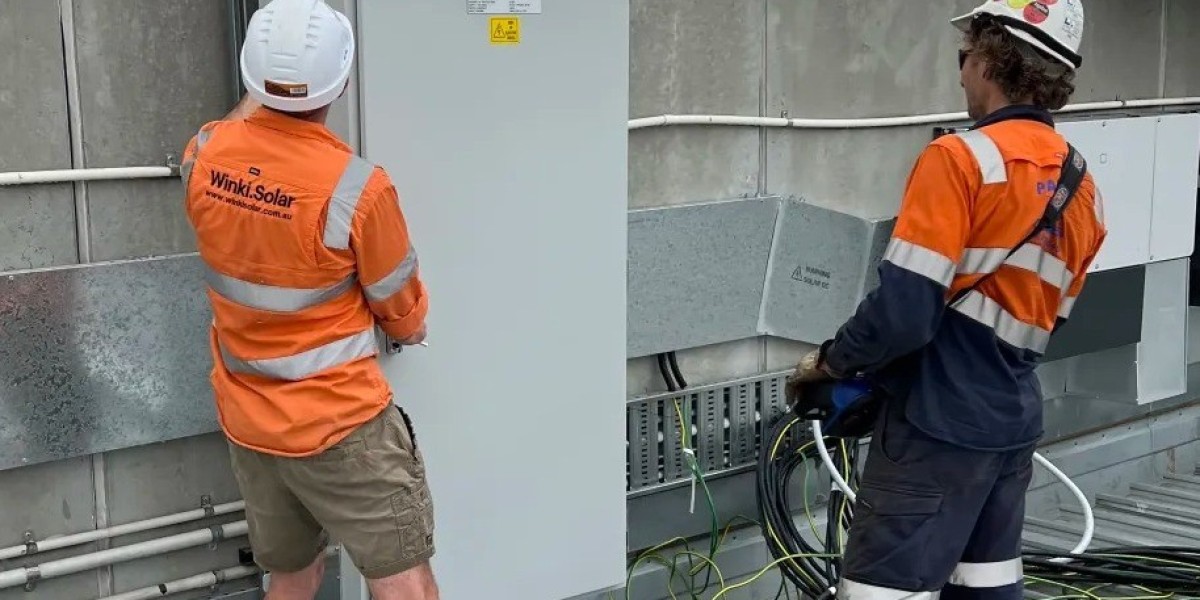
The actual installation usually takes one to three days for most commercial properties, though larger projects may require more time. Professional installers will mount the panels, connect the electrical systems, and ensure everything meets safety standards and building codes.
After installation, your system undergoes a final inspection and receives permission to operate from your utility company. Once approved, you'll start generating clean energy immediately.
Maintenance and Long-Term Considerations
Commercial solar systems require minimal maintenance, but some attention ensures optimal performance. Regular cleaning removes dust and debris that can reduce efficiency. Most businesses schedule professional inspections annually to check connections, monitor performance, and identify potential issues before they become problems.
Modern solar systems include monitoring technology that tracks energy production in real-time. This allows you to verify your system is performing as expected and quickly identify any issues.
Making the Decision
Investing in commercial solar is a significant decision that requires careful consideration of your business goals, property characteristics, and financial situation. Start by requesting quotes from multiple reputable solar installers, comparing their proposals, warranties, and customer reviews. Ask questions about their experience with commercial projects similar to yours.
The transition to solar energy represents more than just cost savings—it's an investment in your business's future, demonstrating environmental leadership while securing energy independence for decades to come.