
Choosing the right steel coil for your project is crucial for ensuring structural integrity and longevity. Steel coils are versatile materials used in various industries, from construction to manufacturing. Understanding the specific requirements of your project can help you make an informed decision that meets both performance and budgetary needs. In this article, we will explore the key factors to consider when selecting steel coils, ensuring you choose the best option for your unique applications.
Understanding Steel Coil Types
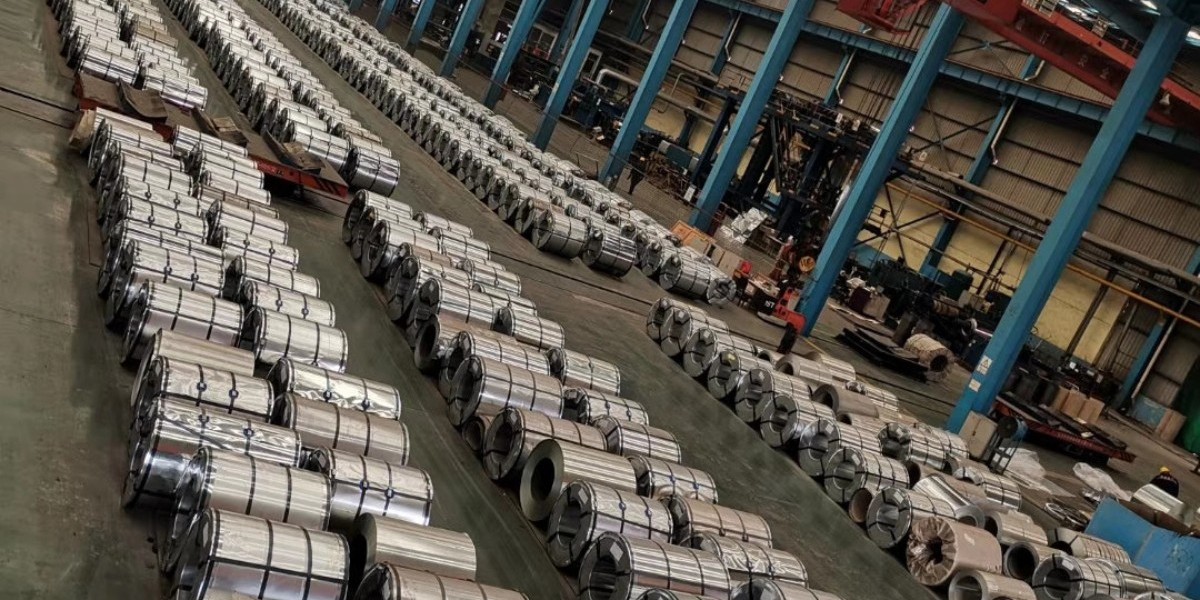
When selecting steel coils, it is essential to understand the different types available. Steel coils can be categorized into hot-rolled and cold-rolled varieties. Hot-rolled steel coils are produced at high temperatures, making them easier to shape and form. They are ideal for structural applications where strength is paramount. On the other hand, cold-rolled steel coils offer a smoother finish and tighter tolerances, making them suitable for applications requiring precision.
Assessing Material Specifications
Material specifications play a vital role in selecting the right steel coil. Factors such as thickness, width, and grade must align with your project requirements. For instance, if your project demands high corrosion resistance, opting for galvanized steel coils can provide the necessary protection. Additionally, understanding the mechanical properties of different steel grades will help ensure that the coil you choose can withstand the stresses it will encounter during use.
Evaluating Coating Options
Coating options are another critical aspect to consider when selecting steel coils. Various coatings, such as zinc, paint, or polymer, can enhance the performance of steel coils in specific environments. For example, a galvanized steel coil offers excellent corrosion resistance, making it ideal for outdoor applications. Conversely, a painted steel coil may be more suitable for aesthetic purposes in interior designs. Evaluating the environmental conditions your project will face can guide you in selecting the appropriate coating.
Understanding Production Processes
The production process of steel coils can significantly impact their quality and suitability for your project. Understanding whether the steel coils are produced using electric arc furnace (EAF) or basic oxygen furnace (BOF) methods can provide insight into their environmental impact and overall quality. EAF-produced coils are often considered more sustainable, while BOF coils may offer better mechanical properties. Knowing the production method can help you align your choice with your project's sustainability goals.
Considering Cost and Availability
Cost is a crucial factor when selecting steel coils. While it is essential to find a coil that meets your technical specifications, it is equally important to consider your budget. Prices can vary significantly based on the type of steel, thickness, and coating options. Additionally, availability can affect your project timeline. Ensure that the steel coils you are considering are readily available from suppliers to avoid delays in your project.
Supplier Reputation and Support
When selecting steel coils, it is vital to choose a reputable supplier. A reliable supplier will not only provide high-quality products but also offer technical support and guidance throughout your project. Look for suppliers with a proven track record in the industry and positive customer reviews. Establishing a good relationship with your supplier can lead to better pricing, timely deliveries, and valuable insights into the best steel coils for your needs.
Future Considerations
Finally, consider the future implications of your steel coil selection. Will your project require additional materials in the future? Are there potential changes in regulations that could affect your choice? Thinking ahead can help you select steel coils that not only meet your current needs but also adapt to future demands. Investing in high-quality steel coils now can save you time and money in the long run.
In conclusion, selecting the right steel coil for your project involves a careful assessment of various factors, including type, specifications, coatings, production processes, cost, and supplier reputation. By understanding these elements, you can make an informed decision that meets your project's requirements and ensures its success. Whether you are working on a construction project or a manufacturing application, the right steel coil can make all the difference in achieving your goals.