
Choose Machinery with Energy Efficient Key Components
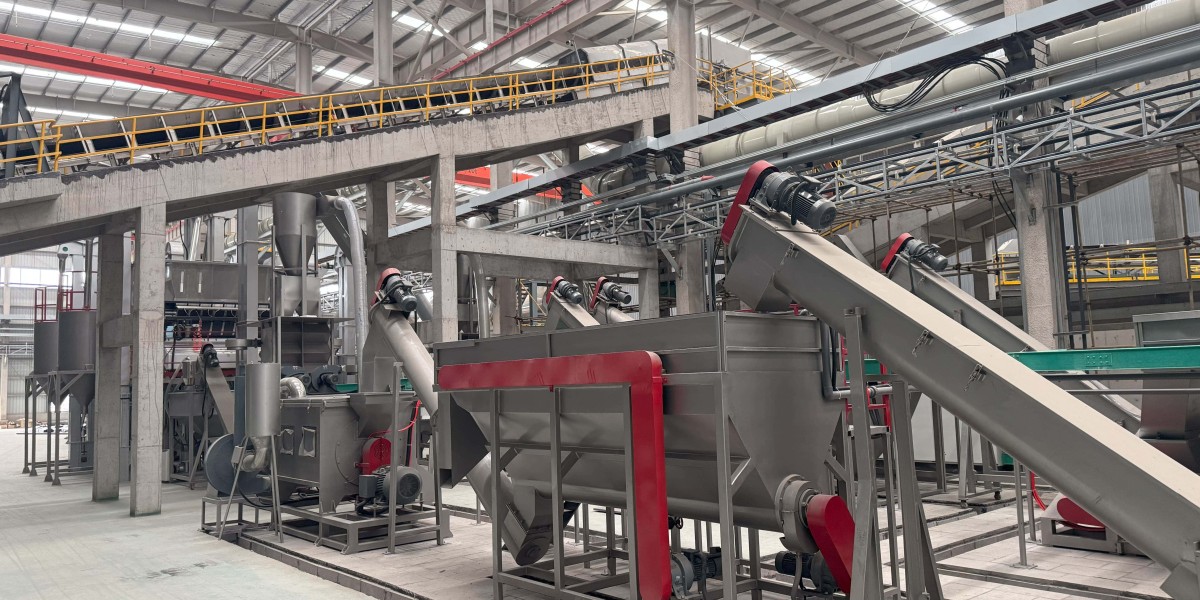
The key components of machines determine the amount of energy consumed by the equipment in the waste recycling process. Baixiong Klimens uses/installed energy saving motors matched to the global standard with their machines which save 15 20% more energy than traditional motors for the crushing washing sorting lines. For example, there are motors with more torque and less energy loss which provide better operational stability with less energy utilization. Furthermore, Baixiong Klimens uses variable frequency drives for conveyors and mixers. These drives promote energy savings by adjusting operational speeds to the processing activity and avoiding energy loss from running at constantly high speeds. Selecting equipment with energy saving core components is the first step to low energy consumption waste plastic recycling.
Assessing Energy Saving Designs for Processes
Different stages of the waste plastic recycling process operate at varying levels of energy consumption. Therefore, one has to assess the energy-saving design of every link. Baixiong Klimens streamlines every process for energy efficiency. During the cleaning stage, for instance, the three stages of the water recycling system reduce water pumping energy consumption by reusing the treated water. Energy recovery systems, installed along the extrusion and pelletizing lines, reduce the need for additional energy to heat workshops or supply raw materials to the processors, because the systems use waste heat to preheat them. For instance, one of Baixiong Klimens's 4t/h waste plastic recycling lines recoups more than 30% of waste heat, which substantially reduces daily operational costs and energy consumption. By evaluating the energy-saving designs of processes such as cleaning, extrusion, and drying, companies can obtain the most energy-efficient equipment.
Think Of Integrated and Compact Systems
When it comes to systems designed in a compact and integrated manner, we think of energy saving in the recycling of waste plastics. With Baixiong Klimens, integrated one stop waste plastic recycling systems that do crushing, cleaning, sorting, mixing and extrusion bound together in a single process reduce the energy wasted in transferring materials between separate machines. Compact systems also reduce the distance to be traveled by materials in the transportation process and in turn reduce the energy consumed by conveyor systems. For small and medium factories, Baixiong Klimens compact lines of 300kg/h to 1T/h save workshop space and due to optimized structural design consume less energy. In comparison to fragmented equipment combinations, Baixiong Klimens integrated lines are a better choice for low energy waste plastic recycling systems due to the 25 30% overall energy consumption that they save.Verify Energy Consumption Data and Certifications.
Certifications that include details on energy consumption and energy efficient equipment are vital when choosing equipment that consumes low energy at all times. A generous amount of energy consumption details, including power usage per ton of recycled plastic, is given by Baixiong Klimens for each piece of waste plastic recycling equipment. All equipment is CE and ISO9001 certified, which means all equipment produced meets energy efficiency requirements for that certification. For example, certified energy consumption of the company's SHR Series High Speed Mixer is at 0.8 kWh per batch, which is considerably better than industry standards. Request the equipment suppliers to issue a 3rd party test and certification documents to substantiate the energy saving features of the equipment. The data is consistent with the certification so Baixiong Klimens can provide this information to their customers for confident selection of waste plastic recycling equipment with low energy consumption.
Evaluate Smart Control and Energy Management
Smart control systems are important for optimizing energy consumption for recycling equipment for waste plastic. Baixiong Klimens integrates smart control systems onto its lines that monitor energy use during recycling and make automatic adjustments. As an example, the control system decreases the speed of recycling motors during periods of low load and during cleaning modules, water flow is optimized based on the level of dirt on the recycling materials. The central control panel is able to show facility operators the data from the energy management system so that they can review the energy management system and determine potential areas of energy control loss. Baixiong Klimens provides the optional energy management system that enables the user to review and print reports that describe energy management and provide recommendations for energy management control. This system of controlled energy management enables plastic waste recycling to be highly energy optimized.
Customer cases and after sales support help reflect the actual energy saving potential of the equipment. There are many cases of energy savings among the companies using Baixiong Klimens’ waste plastic recycling equipment. For example, one medium size factory in Anhui saved 30% in energy costs after adopting Baixiong Klimens’ 3T/h low energy line. Baixiong Klimens’ professional after sales team provides energy saving guidance, process optimization, and equipment maintenance tips to support long term low energy operation. Existing customers’ experiences and Baixiong Klimens’ comprehensive after sales support help customers make the best choices to maximize energy savings with their waste plastic recycling equipment.