
Choosing the right roofing material is one of the most critical decisions for any construction or renovation project. A roof protects a building from weather elements, ensures structural integrity, and enhances curb appeal. Among the many options available today, metal roofing has emerged as a popular choice due to its durability, energy efficiency, and modern aesthetic.
What Is Metal Roofing?
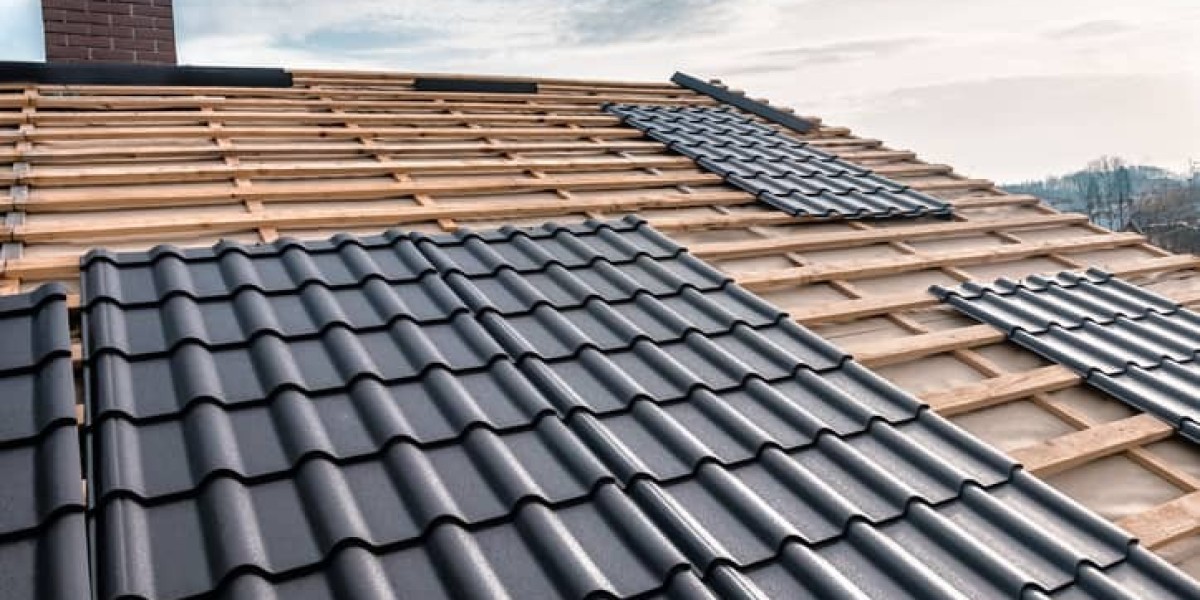
Metal roofing consists of panels or shingles made from aluminum, steel, copper, or zinc, often coated with protective finishes to resist corrosion, rust, and fading. These panels are designed to interlock, providing a watertight barrier and long-lasting protection. Modern metal roofs come in various styles, including standing seam panels, corrugated sheets, and metal shingles, allowing for versatile design options that suit both contemporary and traditional architecture.
Unlike traditional roofing materials like asphalt shingles or wood, metal roofing is engineered to withstand harsh weather, resist fire, and maintain its appearance over decades. This combination of strength and style makes it an ideal choice for both new construction and roof replacement projects.
Key Benefits of Metal Roofing
1. Exceptional Durability
Metal roofs are known for their long-lasting durability. Unlike asphalt or wood, metal does not crack, warp, or rot. It withstands extreme weather conditions, including heavy rain, hail, snow, and high winds. Many metal roofing systems are designed to endure up to 70 years, far exceeding the lifespan of traditional materials. Their resistance to fire, mold, and insect damage further enhances their longevity.
2. Energy Efficiency
One of the standout benefits of metal roofing is its energy efficiency. Metal reflects solar radiation rather than absorbing it, which helps keep buildings cooler in hot climates. Reflective coatings and proper insulation further enhance energy savings, reducing reliance on air conditioning and lowering utility bills. Energy-efficient metal roofs also contribute to sustainable building practices by reducing the building’s overall carbon footprint.
3. Low Maintenance
Metal roofs require minimal maintenance compared to other materials. They are resistant to moss, algae, and fungal growth. Routine inspections and cleaning are usually sufficient to keep a metal roof in optimal condition. For areas with heavy snowfall, the smooth surface of metal panels allows snow and ice to slide off, reducing the risk of damage.
4. Sustainability
Metal roofing is an environmentally friendly option. Many panels are made from recycled metals, and at the end of their life cycle, they can be fully recycled. Their long lifespan reduces the frequency of replacements, helping minimize construction waste. For eco-conscious homeowners and businesses, metal roofs provide a sustainable solution without compromising on performance or aesthetics.
5. Aesthetic Flexibility
Modern metal roofing comes in various colors, textures, and finishes. Standing seam panels offer a sleek, contemporary appearance, while metal shingles can replicate traditional roofing styles such as slate or clay tiles. This aesthetic flexibility allows designers to achieve a wide range of architectural styles while enjoying the performance benefits of metal.
Applications of Metal Roofing
Residential Homes
Homeowners are increasingly adopting metal roofing for its durability, low maintenance, and modern appearance. Metal roofs perform exceptionally well in regions with extreme weather, protecting homes from wind, hail, and heavy rain. The clean lines of standing seam panels also add contemporary appeal and can enhance property value.
Commercial Buildings
Commercial structures, including offices, hotels, and retail spaces, benefit from metal roofing due to its long lifespan and energy efficiency. Large roof surfaces require materials that provide consistent performance, resist damage, and minimize maintenance costs—metal roofing meets all these needs.
Industrial Facilities
Factories, warehouses, and industrial facilities often require durable and lightweight roofing materials. Metal panels are ideal for large spans, offering strength, corrosion resistance, and low upkeep. Additionally, they can accommodate rooftop equipment and solar panels more easily than traditional materials.
Roof Renovation and Replacement
Metal roofing is an excellent choice for roof replacement projects. It can be installed over existing roofing in many cases, reducing labor and disposal costs. Its long-term durability ensures fewer replacements, making it a cost-effective solution over time.
Popular Metal Roofing Styles
- Standing Seam Panels: Vertical panels with raised seams for a modern, streamlined look.
- Corrugated Panels: Lightweight, cost-effective, and suitable for industrial or agricultural applications.
- Metal Shingles: Designed to mimic traditional materials like wood, clay, or slate while providing metal’s durability.
- Stone-Coated Metal Roofing: Combines decorative finish with metal’s long-lasting properties for enhanced aesthetics.
Installation and Maintenance Tips
Proper installation is key to maximizing the lifespan and performance of a metal roof. Hiring experienced contractors ensures correct underlayment, panel alignment, and fastening. Maintenance is minimal but essential. Periodic inspections can detect loose fasteners, dents, or scratches. Cleaning with water and mild soap is generally sufficient. In extreme climates, occasional protective coatings or touch-up paint may help maintain color and prevent corrosion.
Conclusion
Metal roofing offers an ideal combination of durability, energy efficiency, low maintenance, and aesthetic appeal. It is suitable for residential, commercial, and industrial applications, providing long-term protection and a modern appearance.