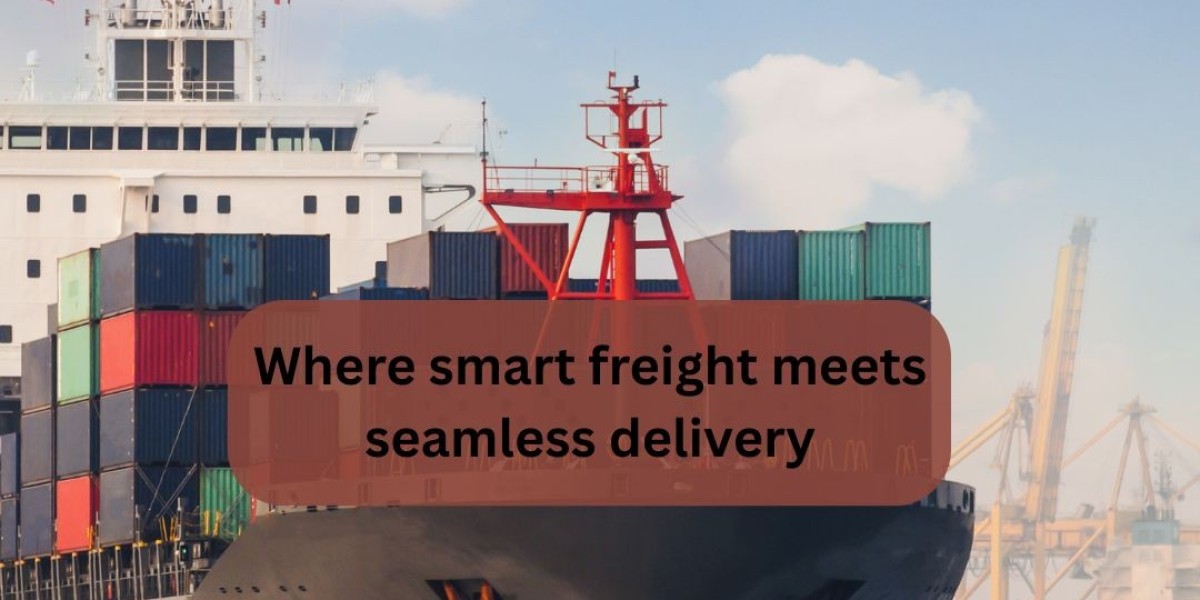

Cross border shipping services are essential for global trade, enabling businesses to move goods across international boundaries efficiently. However, shipping internationally involves more than transportation it requires compliance with customs laws, tax regulations, and documentation standards. Custom Clearance & Tax Planning plays a critical role in ensuring shipments move smoothly while avoiding unexpected costs or delays. Understanding this process helps businesses remain compliant, cost-effective, and operationally efficient in global markets.
What Is Custom Clearance & Tax Planning?
Custom Clearance & Tax Planning refers to the structured process of preparing goods for import or export while managing duties, taxes, and regulatory obligations. It involves accurate classification of goods, valuation, and compliance with country-specific customs laws.
For example, when a product is shipped from one country to another, customs authorities assess import duties based on product type, declared value, and trade agreements. Effective planning ensures these assessments are accurate and legally optimized, preventing overpayment or penalties.
In cross border shipping services, this process acts as a safeguard against shipment delays, fines, or confiscation due to incomplete or incorrect documentation.
How It Works
Custom Clearance & Tax Planning follows a systematic approach that aligns logistics with regulatory compliance. The process typically includes:
Identifying the correct harmonized system (HS) codes for goods
Preparing and reviewing customs documentation such as invoices and packing lists
Calculating applicable duties, VAT, or GST based on destination regulations
Leveraging trade agreements or exemptions where applicable
Coordinating with customs authorities for clearance approval
These steps ensure goods are processed efficiently at borders, reducing administrative friction in international shipping.
Benefits of Custom Clearance & Tax Planning
Effective planning delivers measurable advantages for businesses involved in cross border shipping services:
Reduced Delays: Accurate documentation minimizes inspections and clearance hold-ups.
Cost Control: Proper tax assessment prevents overpayment and unexpected charges.
Regulatory Compliance: Staying aligned with changing customs laws reduces legal risks.
Operational Efficiency: Streamlined processes improve supply chain reliability.
Risk Mitigation: Lower chances of penalties, audits, or shipment rejection.
According to the World Bank, inefficient customs procedures can increase trade costs by up to 15%, highlighting the importance of structured clearance and tax planning strategies.
Real-World Example
A mid-sized electronics exporter shipping goods from Europe to Southeast Asia faced recurring delays due to misclassified products and inconsistent tax calculations. By implementing a structured Custom Clearance & Tax Planning approach, the company standardized its documentation and aligned tax assessments with destination regulations. Clearance times were reduced by 30%, and compliance-related costs decreased significantly.
? Read the full guide: Custom Clearance & Tax Planning
This example demonstrates how proactive planning supports reliable cross border shipping services while maintaining regulatory accuracy.
Why It Matters Today
Global trade is becoming increasingly complex due to evolving regulations, digital customs systems, and geopolitical shifts. Governments are tightening compliance requirements, while businesses face pressure to deliver faster and more cost-effective shipping.
Custom Clearance & Tax Planning is no longer optional it is a strategic necessity. As e-commerce and international sourcing continue to grow, companies that understand customs and tax structures gain a competitive advantage. Future trends point toward automation, data-driven compliance, and closer alignment between logistics and regulatory planning.
Conclusion:
Custom Clearance & Tax Planning is a foundational element of effective cross border shipping services. By ensuring compliance, controlling costs, and reducing delays, it supports sustainable international operations. Businesses involved in global trade benefit from understanding this process and applying it consistently. To explore more practical insights and resources, visit the linked guide and deepen your understanding of modern cross-border logistics.