

In the ever-evolving world of electronics, the materials used play a crucial role in determining performance, efficiency, and reliability. Metallized ceramics have emerged as a game-changing solution in various electronic applications, offering unique properties that enhance the functionality of devices. This article explores the significance of metallized ceramics in electronics, highlighting their advantages and applications in modern technology.
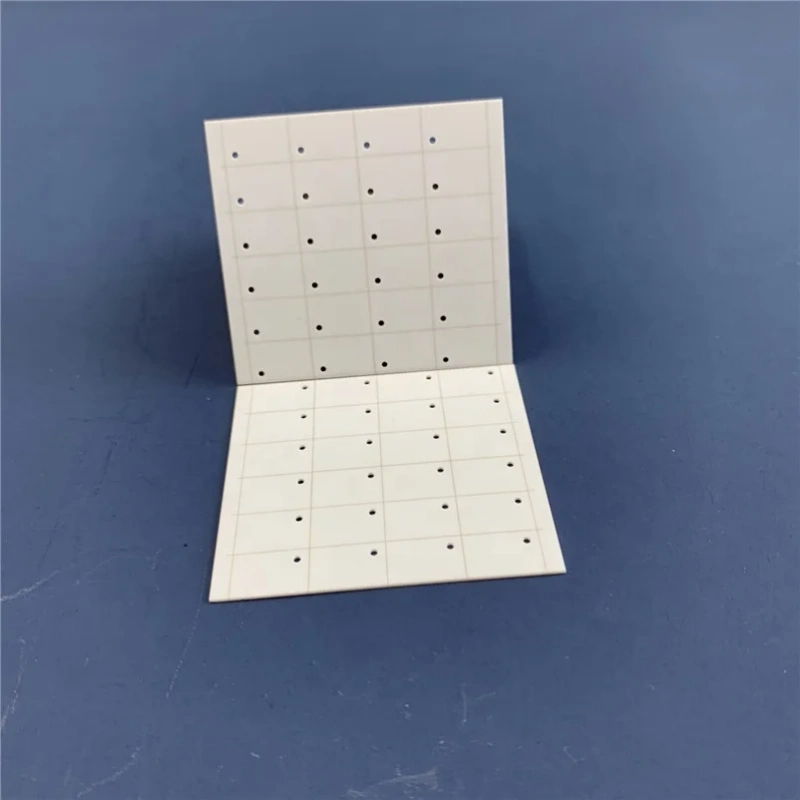
Understanding Metallized Ceramics
Metallized ceramics are composite materials that combine the best properties of ceramics and metals. By applying a thin layer of metal onto a ceramic substrate, these materials achieve excellent electrical conductivity while retaining the inherent strength and thermal stability of ceramics. This unique combination makes metallized ceramics ideal for applications requiring both durability and electrical performance.
Advantages of Metallized Ceramics
One of the primary advantages of metallized ceramics is their ability to withstand high temperatures and harsh environments without compromising performance. This resilience is particularly beneficial in the electronics industry, where components are often subjected to extreme conditions. Additionally, metallized ceramics exhibit low thermal expansion coefficients, which helps maintain structural integrity during temperature fluctuations. Their excellent dielectric properties also make them suitable for use in capacitors and insulators, ensuring reliable operation in various electronic devices.
Metallized ceramics find extensive use in a variety of electronic applications, including capacitors, resistors, and insulators. In capacitors, the metallized layer enhances conductivity, allowing for improved energy storage and discharge capabilities. In resistors, the ceramic base provides stability, while the metal layer ensures effective current flow. Furthermore, metallized ceramics are utilized in microwave devices, where their ability to operate at high frequencies is essential. These applications demonstrate the versatility and effectiveness of metallized ceramics in enhancing electronic performance.
As technology continues to advance, the demand for high-performance materials like metallized ceramics will only increase. Innovations in manufacturing techniques and material compositions are expected to further enhance the properties of metallized ceramics, making them even more suitable for emerging technologies such as 5G communication and electric vehicles. The ongoing research and development in this field promise to unlock new applications and improve existing ones, solidifying the role of metallized ceramics in the future of electronics.
In conclusion, metallized ceramics play a vital role in the electronics industry by providing a unique combination of electrical conductivity, thermal stability, and mechanical strength. Their applications span a wide range of electronic devices, making them indispensable in modern technology. As the industry progresses, the continued development of metallized ceramics will enhance their capabilities, ensuring they remain at the forefront of electronic innovation.