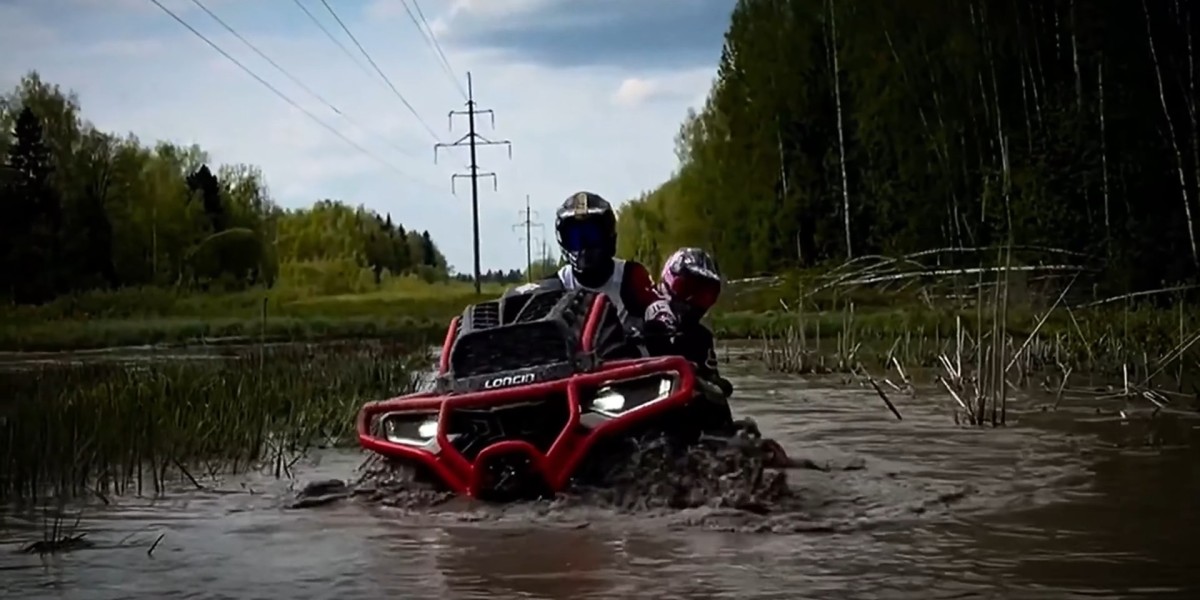

Mud riding is one of the most challenging and rewarding forms of ATV off-road driving. Thick ruts, hidden obstacles, and constantly changing traction conditions demand more than raw power. To complete a truly successful mud run, a rider must understand terrain reading, throttle control, body positioning, and vehicle setup. A perfect mud off-road ride is not about brute force alone—it is about control, momentum, and smart decision-making.
This guide explains how to properly ride an ATV through mud, from preparation to execution, and how to maintain control in the most demanding conditions.
Understanding Mud Terrain Before You Ride
Not all mud is the same, and treating every muddy section identically is one of the most common mistakes riders make. Shallow surface mud behaves very differently from deep clay-based mud or waterlogged soil. Some mud offers a firm base beneath the surface, while other sections hide deep ruts, roots, or rocks that can instantly trap a wheel.
Before entering a muddy area, it is critical to slow down and visually assess the terrain. Look for signs of previous tracks, water depth, and changes in color or texture that indicate soft ground. When possible, walk the section first. A few minutes of inspection can prevent hours of recovery.
Preparing Your ATV for Mud Riding
A successful mud ride begins before the engine starts. Proper ATV setup significantly improves traction, stability, and control. Tire selection plays a major role, as aggressive tread patterns designed for mud help clear debris and maintain grip. Tire pressure should be slightly lower than standard trail settings to increase the contact patch, but not so low that the tire risks de-beading.
Engage four-wheel drive before entering deep mud, rather than waiting until traction is already lost. If your ATV is equipped with a differential lock, use it strategically in the deepest sections to ensure equal power delivery to both front wheels. Skid plates, sealed electrical components, and proper air intake placement are also essential for preventing damage during water-heavy mud riding.
Maintaining Momentum Without Losing Control
Momentum is the single most important factor in mud riding, but it must be managed carefully. Too little throttle will cause the ATV to bog down, while excessive throttle can spin the tires and dig the machine deeper into the mud. The goal is steady, controlled forward movement.
Once you commit to a muddy section, maintain a consistent throttle and avoid sudden changes. Smooth power delivery allows the tires to find grip and continue pulling. Abrupt acceleration often results in wheel spin, which removes traction and increases the risk of getting stuck.
If the ATV begins to slow, gently increase throttle rather than panicking. Let the tires work through the mud instead of forcing them to spin.
Proper Body Positioning in Mud
Rider positioning plays a critical role in maintaining balance and traction. In most mud conditions, shifting your body weight slightly rearward helps increase traction on the rear wheels, which are responsible for the majority of propulsion. At the same time, keep your upper body loose and responsive to allow the ATV to move beneath you.
When navigating ruts, stand slightly on the footrests to lower your center of gravity and improve balance. Avoid locking your arms or stiffening your posture. A relaxed stance allows quicker corrections when the ATV shifts unexpectedly.
In deep mud, keeping the handlebars straight as much as possible reduces drag and helps the tires track forward rather than sideways.
Steering Techniques for Mud Riding
Steering in mud requires patience and precision. Aggressive steering inputs often lead to loss of control or front-end washout. Instead, guide the ATV gently and allow the front wheels to follow existing tracks when possible. Fighting the ruts usually consumes energy and increases resistance.
If the front wheels begin to slide, ease off the throttle slightly and let traction recover. Forcing the steering will only worsen the slide. Smooth, deliberate movements maintain stability and prevent sudden directional changes that can cause rollovers.
What to Do If You Start Getting Stuck
Even experienced riders occasionally get stuck in mud. The key is recognizing the situation early. If forward progress stops, immediately reduce throttle. Spinning the tires aggressively will only bury the ATV deeper.
Rocking the ATV gently forward and backward by alternating throttle and braking can sometimes regain traction. Shifting body weight side to side may also help the tires find a firmer surface. If recovery is not possible, shutting off the engine and using a winch or tow strap is far more effective than forcing the machine.
Knowing when to stop is part of riding skill, not a failure.
Post-Ride Inspection and Maintenance
After completing a mud ride, proper cleaning and inspection are essential. Mud can trap moisture against critical components, accelerating wear and corrosion. Wash the ATV thoroughly, paying close attention to the suspension, brakes, radiator, and drivetrain. Check air filters, electrical connections, and moving parts to ensure everything remains clean and functional.
Routine post-ride maintenance not only extends the life of the ATV but also ensures consistent performance for future rides.
Conclusion
A perfect mud off-road ride is not about speed or aggression. It is about understanding terrain, preparing the machine correctly, and applying smooth, deliberate control throughout the ride. Riders who master momentum, body positioning, and throttle management can navigate mud confidently while minimizing risk to both themselves and their ATV.
With experience and the right technique, mud riding becomes less about surviving the terrain and more about enjoying one of off-road riding’s most demanding and rewarding challenges.