
In the realm of modern architecture, the choice of materials can significantly influence both aesthetics and functionality. One such material that has gained immense popularity is the polycarbonate facade. Known for its remarkable versatility, polycarbonate facades not only enhance the visual appeal of buildings but also offer a plethora of functional benefits that cater to the demands of contemporary design. This article delves into the multifaceted advantages of polycarbonate facades, illustrating why they are a preferred choice for architects and builders alike.
Durability and Strength
Polycarbonate facades are renowned for their exceptional durability. Unlike traditional materials such as glass, polycarbonate is virtually unbreakable, making it an ideal choice for high-traffic areas or regions prone to extreme weather conditions. This resilience ensures that buildings maintain their structural integrity over time, reducing the need for frequent repairs or replacements. Furthermore, polycarbonate facades are resistant to UV radiation, preventing discoloration and degradation, which contributes to their long-lasting performance.
Energy Efficiency
Another significant advantage of polycarbonate facades is their energy efficiency. These facades can be designed to incorporate insulating properties that help regulate indoor temperatures, thereby reducing the reliance on heating and cooling systems. By minimizing energy consumption, polycarbonate facades not only contribute to lower utility bills but also support sustainable building practices. This aspect is particularly appealing to environmentally conscious architects and developers who aim to create energy-efficient structures.
Design Flexibility
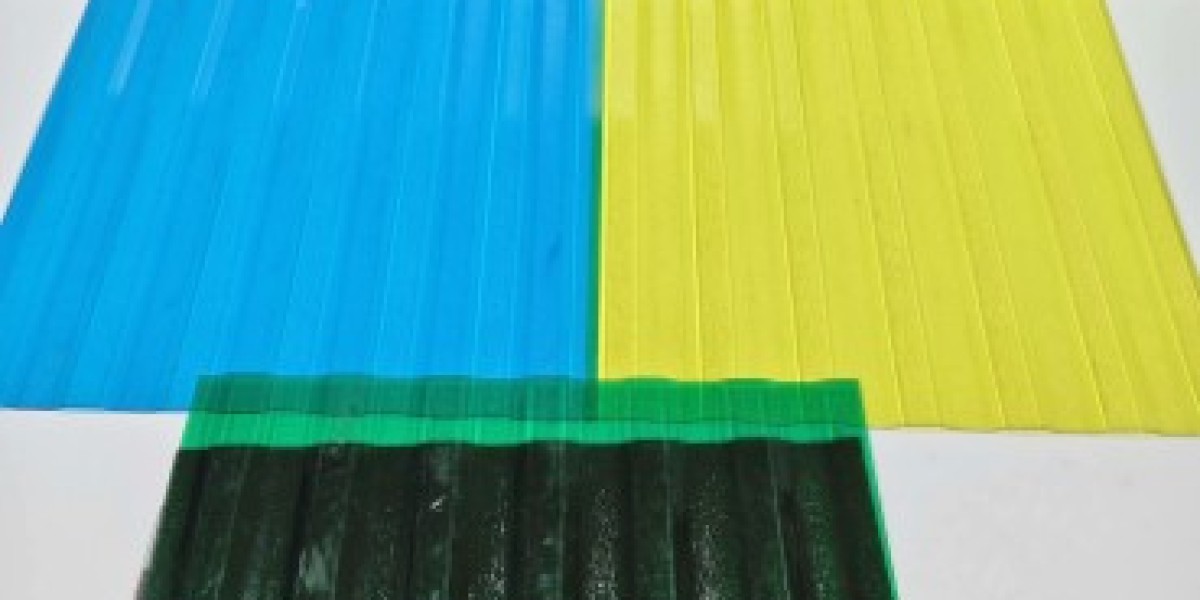
Polycarbonate facades offer unparalleled design flexibility, allowing architects to experiment with shapes, colors, and textures that would be challenging to achieve with traditional materials. Available in various finishes, including translucent and opaque options, polycarbonate can create stunning visual effects that enhance the overall aesthetic of a building. This versatility enables architects to push creative boundaries, resulting in unique and innovative designs that stand out in the urban landscape.
Lightweight and Easy to Install
The lightweight nature of polycarbonate facades simplifies the installation process, reducing labor costs and construction time. Unlike heavier materials, polycarbonate can be easily handled and installed, making it a practical choice for both new constructions and renovations. This ease of installation allows for greater efficiency on-site, enabling projects to stay on schedule and within budget.
Safety Features
Safety is a paramount concern in modern architecture, and polycarbonate facades address this issue effectively. Their impact-resistant properties provide an added layer of security, making them suitable for various applications, including schools, hospitals, and public buildings. Additionally, polycarbonate is a non-toxic material, ensuring that it poses no health risks to occupants. This commitment to safety makes polycarbonate facades a responsible choice for architects and builders.
In conclusion, the versatility of polycarbonate facades in modern architecture is undeniable. Their durability, energy efficiency, design flexibility, lightweight nature, and safety features make them an ideal choice for contemporary buildings. As architects continue to seek innovative solutions that blend aesthetics with functionality, polycarbonate facades will undoubtedly remain at the forefront of architectural design, offering practical value and stunning visual appeal.