
In today’s industrial world, precision and speed define success. Whether in electrical engineering, electronics, automotive production, or textiles, manufacturers depend on machines that deliver consistent results with minimal waste. One such essential piece of equipment is the winding machine. Designed to wind wire, cable, thread, or similar materials in a controlled and repeatable manner, winding machines form the foundation of high-quality production. With its focus on performance and reliability, honest-hls continues to provide advanced winding machine solutions tailored to modern manufacturing needs.
What Is a Winding Machine?
A winding machine is a specialized industrial machine used to wind materials—such as copper wire, aluminum wire, fiber, film, or yarn—onto spools, coils, bobbins, or cores. The purpose of winding is not simply to wrap material but to do so with exact tension, alignment, and spacing to meet functional and quality standards.
In electrical applications, winding accuracy directly affects conductivity, insulation integrity, and heat dissipation. In textile and packaging industries, uniform winding ensures smooth downstream processing. Manual winding methods are inconsistent and labor-intensive, making automated winding machines a vital tool for efficiency and quality control.
Importance of Winding Precision
The quality of a finished product often depends on how accurately it has been wound. Uneven winding can cause overlapping, slack tension, or material breakage, leading to defective products or shortened service life. In electrical components, poor winding can result in overheating, vibration, or power loss.
Winding machines eliminate these risks by maintaining constant tension, precise speed control, and consistent layering. This ensures every unit produced meets the same high standards, regardless of production volume.
Types of Winding Machines
Winding machines are available in various configurations to suit different industries and applications. Common types include wire winding machines, coil winding machines, motor winding machines, transformer winding machines, and yarn winding machines.
Some machines are semi-automatic, requiring operator involvement for loading and setup, while others are fully automatic and capable of continuous, high-speed production. honest-hls offers winding machines designed for both small-scale operations and large industrial environments, ensuring flexibility and scalability.
Key Features of Winding Machines by honest-hls
Winding machines developed by honest-hls are engineered with a strong emphasis on accuracy and durability. One of their defining features is advanced tension control, which ensures consistent winding even at high speeds.
Another important feature is programmable operation. Operators can easily set winding parameters such as speed, turns, and layering patterns through user-friendly controls. This allows for quick changeovers and reduces downtime.
honest-hls machines are also built for long-term reliability. Sturdy frames, high-quality components, and efficient motor systems ensure stable performance and reduced maintenance requirements.
Flexibility is another advantage. These machines can handle different wire diameters, materials, and winding styles, making them ideal for manufacturers producing a variety of products.
Benefits of Using Automated Winding Machines
One of the most significant benefits of winding machines is consistent product quality. Automated processes eliminate human error, ensuring every coil or spool is wound to exact specifications.
Increased productivity is another major advantage.stator production line operate faster than manual methods and can run for extended periods without fatigue, enabling higher output and shorter production cycles.
Cost efficiency is also improved. By reducing material waste, minimizing rework, and lowering labor costs, winding machines help manufacturers achieve better profitability over time.
From a safety perspective, automated winding reduces repetitive manual tasks and minimizes direct contact with sharp wires or moving parts, creating a safer working environment.
Applications Across Industries
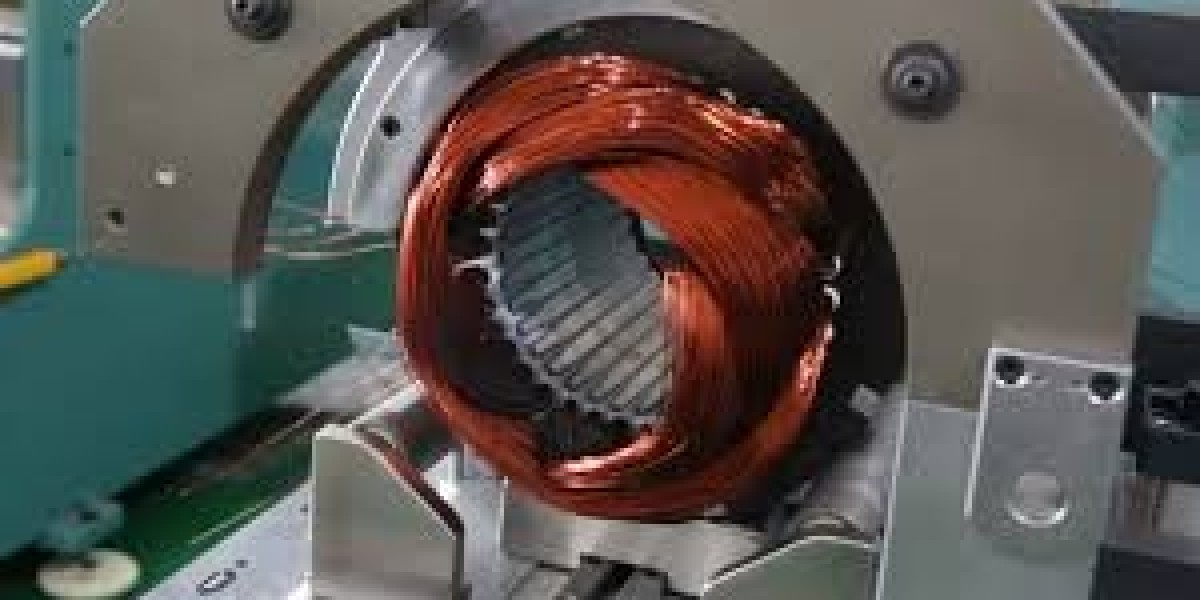
Winding machines are widely used across multiple industries. In the electrical and electronics sector, they are essential for producing coils, transformers, inductors, and motor components.
The automotive industry relies on winding machines for manufacturing electric motors, alternators, sensors, and control units. With the rapid growth of electric vehicles, demand for precise and efficient winding solutions is higher than ever.
In the textile industry, winding machines ensure uniform yarn spools, supporting efficient weaving, knitting, and dyeing processes.
Other sectors, including renewable energy, medical devices, aerospace, and industrial automation, also depend on advanced winding machines to meet strict performance and reliability standards.
Why Manufacturers Choose honest-hls
Manufacturers trust honest-hls because the company understands real-world production challenges. Their winding machines are designed not only for performance but also for ease of integration into existing production lines.
Customization is a key strength of honest-hls. Machines can be tailored to specific materials, product sizes, and automation levels, ensuring optimal results for each customer.
Another reason for choosing honest-hls is their focus on customer support. Clear documentation, responsive technical assistance, and dependable service help manufacturers maintain productivity and reduce downtime.
The Future of Winding Machine Technology
As manufacturing moves toward smarter and more connected systems, winding machines continue to evolve. Advanced sensors, digital controls, and automation allow for real-time monitoring, predictive maintenance, and higher production accuracy.
honest-hls remains committed to innovation, integrating modern technologies into its winding machines to support efficient and future-ready manufacturing environments.
Conclusion
A winding machine is more than just a production tool—it is a critical investment in quality, efficiency, and long-term success. By ensuring precise material handling, consistent output, and improved safety, winding machines play a vital role across industries.
With its dedication to precision engineering, flexibility, and durability, honest-hls delivers winding machine solutions that meet the demands of modern manufacturing. Choosing the right winding machine today helps manufacturers build reliable products, optimize operations, and stay competitive in a rapidly evolving market.