
What Exactly Is SMC and Its Core Advantages?
SMC, short for Sheet Moulding Compound, is a high-performance composite material widely used in FRP (Fiber Reinforced Plastic) moulding processes. Composed of fiberglass strands, resin, fillers, and additives, it comes in a flexible sheet form that’s easy to handle and shape. What makes SMC stand out is its exceptional combination of strength, durability, and design versatility—properties that align perfectly with the demands of modern industrial production. Unlike traditional materials, SMC offers superior corrosion resistance, electrical insulation, and a high strength-to-weight ratio, making it ideal for applications where reliability and longevity are non-negotiable. For manufacturers looking to build competitive products, SMC’s ability to maintain structural integrity under harsh conditions while allowing for complex geometries is a game-changer. It’s no wonder that industries ranging from transportation to aerospace rely on SMC for critical components.
The Role of SMC in FRP Moulding Processes
FRP moulding processes thrive on materials that can keep up with precision and efficiency, and SMC delivers on both fronts. In compression moulding, one of the most common FRP techniques, SMC sheets are placed into a heated mould and pressed under high pressure. This process allows for consistent thickness, smooth surface finishes, and rapid production cycles—key benefits for mass-produced parts. SMC also excels in transfer moulding, where it’s injected into closed moulds to create intricate components with tight tolerances. What’s more, SMC’s compatibility with various moulding methods means manufacturers can adapt it to their specific production needs without compromising on quality. Whether producing large structural parts or small, detailed components, SMC ensures uniformity and performance, reducing waste and lowering production costs in the long run. This flexibility is why it’s become a go-to material for FRP moulding across industries.
Key Applications of SMC in Industrial Sectors
SMC’s unique properties make it a versatile material with applications spanning multiple high-demand industries. In the transportation sector, it’s used to manufacture lightweight yet strong parts like truck bodies, bus interiors, and automotive components, helping improve fuel efficiency without sacrificing safety. The building materials industry leverages SMC for corrosion-resistant cladding, roofing panels, and electrical enclosures that withstand extreme weather conditions. In aerospace, SMC’s high strength-to-weight ratio makes it suitable for interior components and structural parts that require reliability at high altitudes. Even the energy and infrastructure sectors benefit from SMC—its electrical insulation properties make it ideal for power distribution equipment, while its durability ensures long-lasting performance in infrastructure projects. For manufacturers in these sectors, SMC isn’t just a material—it’s a solution that enhances product performance and market competitiveness.
Why Choose High-Quality Fiberglass Solutions for SMC Production?
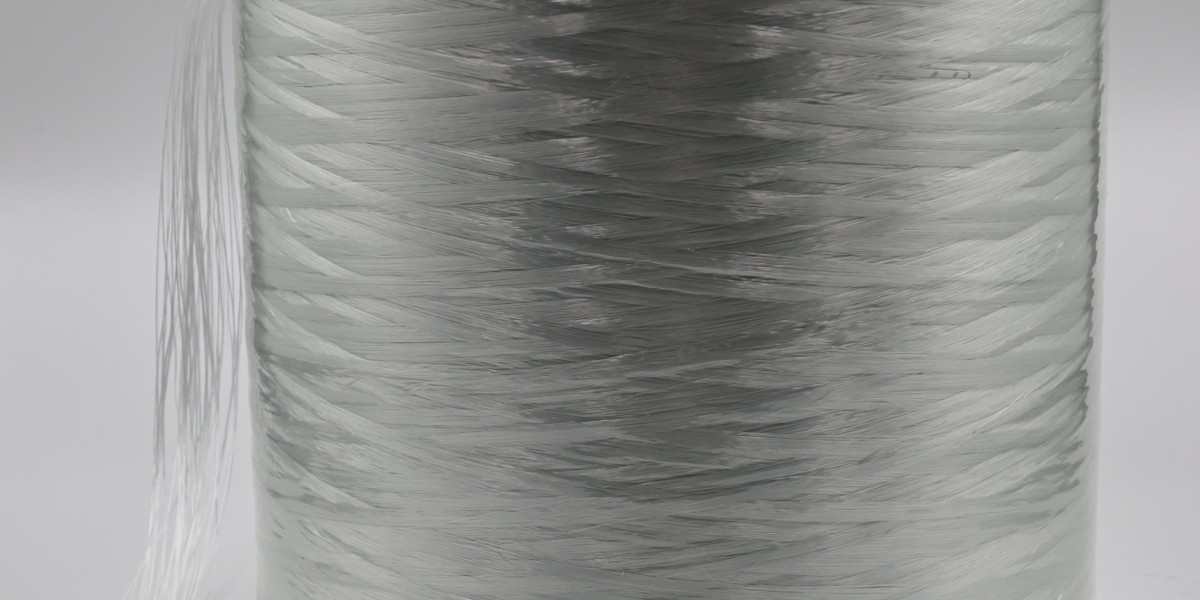
The performance of SMC in FRP moulding hinges largely on the quality of its core component: fiberglass. High-quality fiberglass strands ensure SMC’s strength, flexibility, and resistance to wear and tear. That’s where trusted fiberglass experts come in—providing premium materials that form the foundation of top-tier SMC products. Manufacturers need a partner that understands the unique requirements of different industries, offering fiberglass solutions tailored to specific applications. From consistent product quality to professional technical support, the right supplier can help streamline production, reduce downtime, and ensure that SMC components meet the highest standards. For businesses aiming to stay ahead in a competitive market, investing in high-quality fiberglass for SMC production is a strategic choice that pays off in better product performance and customer satisfaction.
Conclusion
In summary, SMC is a high-performance composite material that plays a pivotal role in FRP moulding processes, offering unmatched strength, durability, and design flexibility. Its wide range of applications across transportation, aerospace, building materials, and more makes it an indispensable choice for manufacturers worldwide. The key to unlocking SMC’s full potential lies in using high-quality fiberglass solutions that ensure consistent performance and reliability. By partnering with a trusted provider of fiberglass materials, businesses can create products that stand out in terms of quality, efficiency, and cost-effectiveness. Whether you’re looking to improve product durability, reduce production costs, or expand into new markets, SMC combined with premium fiberglass solutions is the answer—helping you build stronger, more competitive products that meet the demands of today’s industrial landscape.