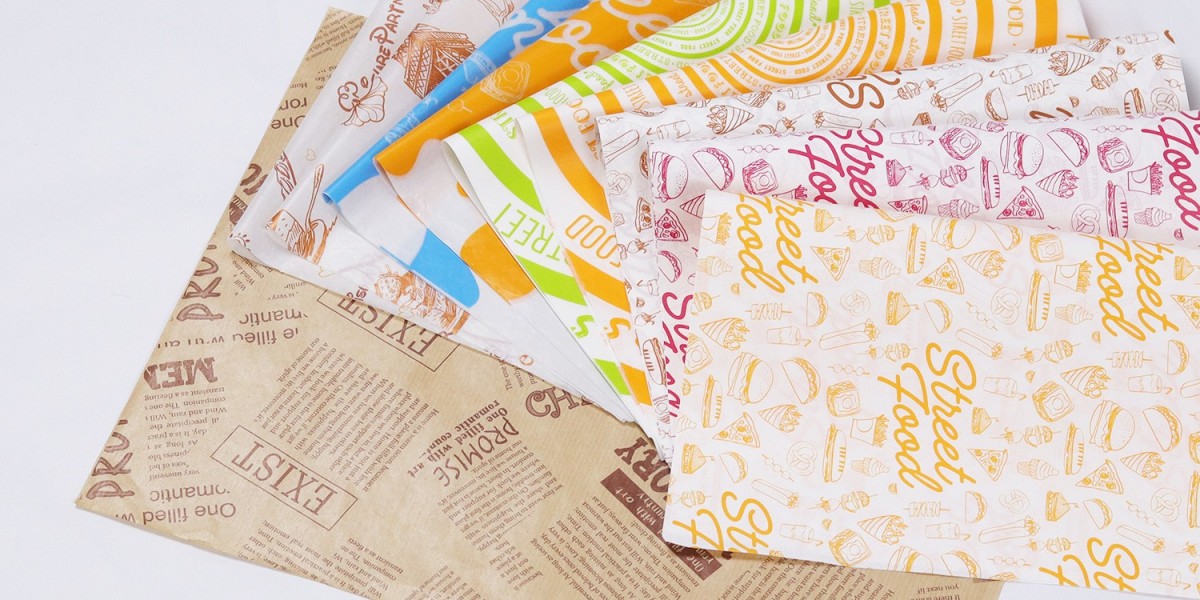

Biodegradable Takeaway Packaging: The Core of Waste Reduction
In today’s eco-conscious market, businesses are under growing pressure to minimize their environmental footprint—and takeaway packaging is a key area where waste accumulates. Traditional plastic containers and bags linger in landfills for centuries, harming ecosystems and damaging brand reputations. This is where biodegradable takeaway packaging steps in as a game-changer. Unlike conventional options, biodegradable packaging breaks down naturally over time, returning to the environment without leaving toxic residues. For food businesses—from small cafes to large restaurant chains—adopting this solution isn’t just a moral choice; it’s a strategic one. Consumers are increasingly choosing brands that prioritize sustainability, and biodegradable packaging sends a clear message that your business cares about the planet. It also helps comply with evolving environmental regulations, avoiding fines and reputational risks associated with single-use plastics. By integrating biodegradable takeaway packaging into your operations, you’re not just reducing waste—you’re aligning your brand with global sustainability trends that resonate with modern customers.
Key Benefits of Biodegradable Takeaway Packaging for Waste Reduction
Biodegradable takeaway packaging offers more than just environmental benefits; it delivers tangible value for businesses looking to cut waste and improve efficiency. First, its compostable nature means it diverts waste from landfills, reducing the volume of trash your business generates. This can lower waste disposal costs, as many regions offer reduced fees for compostable materials. Second, high-quality biodegradable packaging—made from renewable resources like kraft paper or plant-based fibers—maintains the integrity of food, preventing spills and spoilage that contribute to additional waste. For example, greaseproof biodegradable wraps keep fried foods fresh without leaking oil, while sturdy takeaway bags hold meals securely, reducing the need for double-packaging. Additionally, biodegradable options often come in customizable designs, allowing you to maintain brand consistency while staying eco-friendly. Customers appreciate the thoughtfulness behind sustainable packaging, leading to increased loyalty and positive word-of-mouth. For businesses, this translates to long-term savings and a stronger market position in a competitive industry.
Choosing the Right Biodegradable Takeaway Packaging for Your Business
Not all biodegradable takeaway packaging is created equal—selecting the right products is crucial to maximizing waste reduction and business value. Start by assessing your specific needs: Do you need containers for hot soups, dry snacks, or greasy meals? Look for options tailored to your menu, such as insulated biodegradable cups for beverages or leak-proof containers for curries and sauces. Certifications matter too—opt for packaging certified by reputable organizations to ensure it meets genuine biodegradability and compostability standards. This guarantees that your packaging will break down as promised, avoiding greenwashing accusations. Flexibility is another key factor; choose a supplier that offers customizable sizes and designs, so you don’t end up with excess packaging that goes unused. For example, adjustable biodegradable takeaway bags can fit different order sizes, reducing the need for multiple bag types. By investing in the right biodegradable packaging, you’ll streamline your operations, cut waste at every step, and deliver a better experience for both your customers and the planet.
Integrating Biodegradable Packaging into Your Waste Reduction Strategy
Adopting biodegradable takeaway packaging is just one step—integrating it into a comprehensive waste reduction strategy ensures long-term success. Start by training your staff on proper usage: Teach them to select the right packaging size for each order to avoid over-packaging, and encourage customers to reuse or compost the packaging where possible. Communicate your sustainability efforts to customers through in-store signage, social media, or packaging labels—this not only educates consumers but also reinforces your brand’s eco-friendly values. Consider partnering with local composting facilities to ensure your biodegradable packaging is processed correctly, maximizing its environmental impact. You can also track your waste reduction progress over time, using metrics like the volume of packaging diverted from landfills or customer feedback on your sustainable initiatives. By making biodegradable packaging part of a larger strategy, you’ll create a culture of sustainability within your business, reduce costs, and build a loyal customer base that shares your values.
Conclusion
Reducing waste with biodegradable takeaway packaging is a win-win for businesses, customers, and the planet. It addresses the growing demand for sustainable solutions, cuts operational costs, and strengthens brand reputation—all while minimizing environmental harm. By choosing high-quality, customizable biodegradable options, integrating them into your daily operations, and communicating your efforts to customers, you can make a meaningful impact on waste reduction. For food businesses looking to stay ahead in a competitive, eco-focused market, biodegradable takeaway packaging isn’t just an option—it’s a necessity. It’s a simple yet powerful way to show your commitment to sustainability, deliver value to your customers, and build a more resilient business for the future.