
In the modern world, the demand for rapid and accurate water quality analysis has never been greater. Industries ranging from environmental monitoring to pharmaceuticals require precise measurements of chemical oxygen demand (COD) to ensure compliance with safety standards and environmental regulations. This is where COD reactors come into play, revolutionizing the way we approach water quality testing. By leveraging advanced technology, COD reactors enable faster and more reliable analysis, ultimately facilitating better decision-making and resource management.
Understanding COD Reactors
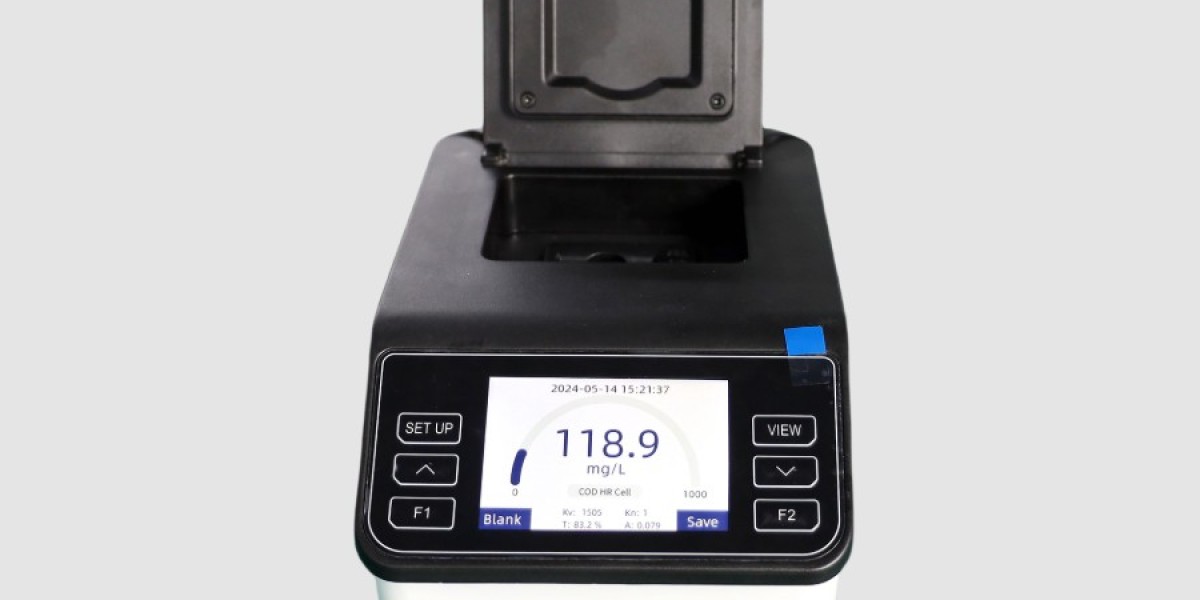
Chemical Oxygen Demand (COD) is a critical parameter for assessing water quality, indicating the amount of organic compounds present in water. Traditional methods of measuring COD can be time-consuming and labor-intensive, leading to delays in obtaining results. However, COD reactors are designed to streamline this process. These innovative devices utilize high-temperature digestion techniques to oxidize organic matter, significantly reducing the time required for analysis. With a COD reactor, laboratories can achieve results in a fraction of the time compared to conventional methods, enhancing operational efficiency.
Advantages of Using COD Reactors
One of the primary advantages of COD reactors is their ability to provide accurate and reproducible results. The controlled environment within the reactor ensures that each sample undergoes a consistent process, minimizing variability and enhancing the reliability of the data obtained. Furthermore, COD reactors are equipped with advanced monitoring systems that allow for real-time tracking of the digestion process, enabling technicians to make informed decisions based on the progress of the analysis.
Another significant benefit is the reduction in chemical usage. Traditional COD testing methods often require large quantities of hazardous reagents, contributing to environmental concerns and safety risks. In contrast, COD reactors are designed to optimize reagent use, reducing waste and minimizing the environmental footprint of the testing process. This not only aligns with sustainability goals but also helps laboratories comply with stringent regulatory standards.
Improving Workflow Efficiency
The implementation of COD reactors can dramatically enhance laboratory workflow. By automating many aspects of the analysis, these reactors free up valuable time for technicians, allowing them to focus on more complex tasks that require human expertise. This increased efficiency translates into faster turnaround times for clients, ultimately improving customer satisfaction and fostering long-term relationships.
Moreover, COD reactors are often equipped with user-friendly interfaces and software that simplify data management. Technicians can easily input sample data, monitor progress, and generate reports with minimal effort. This streamlined approach not only reduces the likelihood of human error but also ensures that laboratories can maintain high standards of quality control throughout the testing process.
Applications Across Industries
The versatility of COD reactors makes them suitable for various industries, including wastewater treatment, food and beverage production, and pharmaceuticals. In wastewater treatment facilities, for instance, COD reactors play a crucial role in monitoring effluent quality, ensuring that discharge meets regulatory requirements. Similarly, in the food and beverage industry, these reactors are vital for quality assurance, helping manufacturers maintain product integrity and safety.
In pharmaceuticals, the ability to quickly assess water quality is essential for maintaining compliance with Good Manufacturing Practices (GMP). COD reactors enable pharmaceutical companies to conduct routine testing efficiently, ensuring that water used in production processes meets stringent purity standards. This not only safeguards product quality but also protects consumer health.
Conclusion
In summary, COD reactors represent a significant advancement in water quality analysis, offering faster, more accurate, and environmentally friendly testing solutions. By reducing the time and resources required for COD measurement, these devices empower laboratories and industries to enhance their operational efficiency and compliance with regulatory standards. As the demand for rapid water quality analysis continues to grow, investing in COD reactors will undoubtedly provide a competitive edge and contribute to sustainable practices in various sectors.