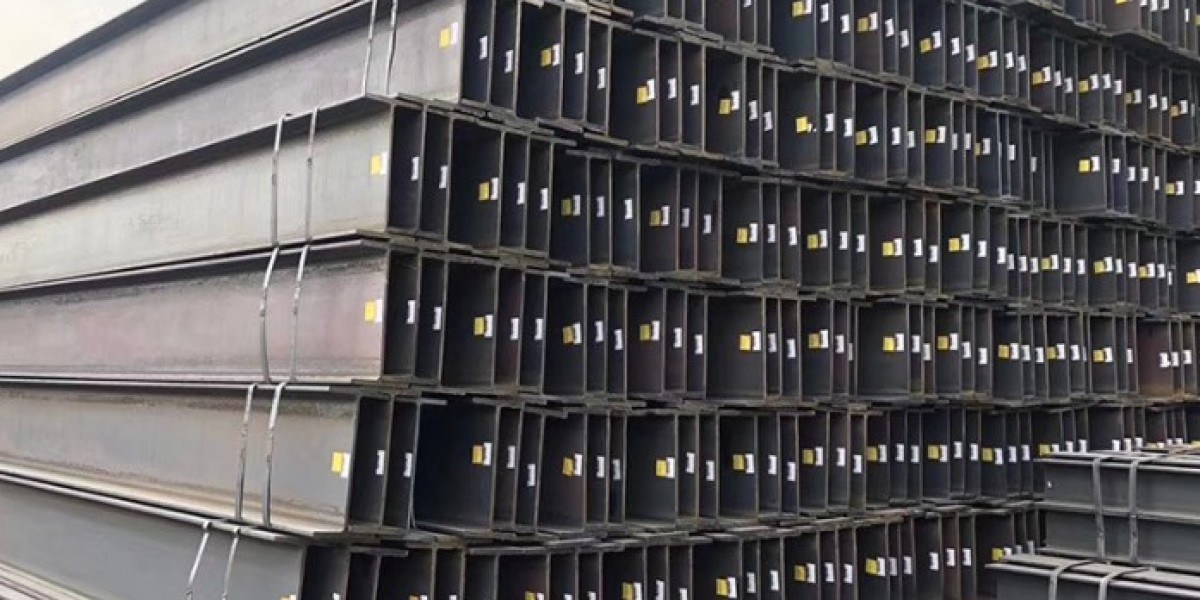

In the realm of construction and engineering, the choice of materials significantly influences the integrity and longevity of structures. Among various options available, H-beams have emerged as a preferred choice for structural support due to their unique design and exceptional performance characteristics. This article delves into the advantages of H-beams, exploring why they are increasingly favored in modern construction projects.
Design Efficiency
H-beams, also known as wide flange beams, are designed with a cross-section that resembles the letter 'H'. This design not only provides superior strength but also optimizes material usage. The wide flanges of H-beams allow for greater load distribution, making them ideal for supporting heavy structures such as bridges, skyscrapers, and industrial buildings. Their ability to bear substantial loads without excessive weight contributes to overall structural efficiency, reducing the amount of material needed and lowering construction costs.
Versatility in Applications
One of the standout features of H-beams is their versatility. These beams can be utilized in a variety of construction applications, including residential, commercial, and industrial projects. Whether it's for framing, roofing, or supporting floors, H-beams can be adapted to meet specific design requirements. This adaptability makes them a top choice among architects and engineers who seek reliable solutions for diverse structural challenges.
High Strength-to-Weight Ratio
Another compelling advantage of H-beams is their high strength-to-weight ratio. This characteristic allows for the construction of lighter structures without compromising on strength. As a result, H-beams enable architects to design more open and spacious interiors, a desirable feature in modern architecture. The reduced weight also simplifies transportation and installation, further enhancing their appeal in construction projects.
Durability and Longevity
H-beams are typically made from high-quality steel, which offers remarkable durability and resistance to environmental factors such as corrosion and wear. This longevity ensures that structures supported by H-beams maintain their integrity over time, reducing the need for frequent repairs or replacements. Consequently, investing in H-beams translates to long-term savings for project owners, as maintenance costs are significantly lowered.
Cost-Effectiveness
When considering the total cost of a construction project, H-beams prove to be a cost-effective option. Their strength and durability reduce the likelihood of structural failures, which can lead to costly repairs. Additionally, the efficiency of H-beams in load distribution allows for the use of fewer beams overall, further cutting down on material costs. This economic advantage makes H-beams an attractive choice for budget-conscious builders and developers.
Sustainability
In today's environmentally conscious world, the sustainability of construction materials is a critical factor. H-beams contribute to sustainable building practices due to their recyclability. Steel, the primary material used in H-beams, can be recycled without losing its properties, making it an eco-friendly option. Furthermore, the efficiency of H-beams in construction can lead to reduced waste, aligning with the growing demand for sustainable building solutions.
In summary, H-beams stand out as a preferred choice for structural support due to their design efficiency, versatility, high strength-to-weight ratio, durability, cost-effectiveness, and sustainability. As the construction industry continues to evolve, incorporating H-beams into projects not only enhances structural integrity but also aligns with modern engineering practices that prioritize both performance and environmental responsibility. Choosing H-beams means investing in a reliable, efficient, and sustainable future for construction.