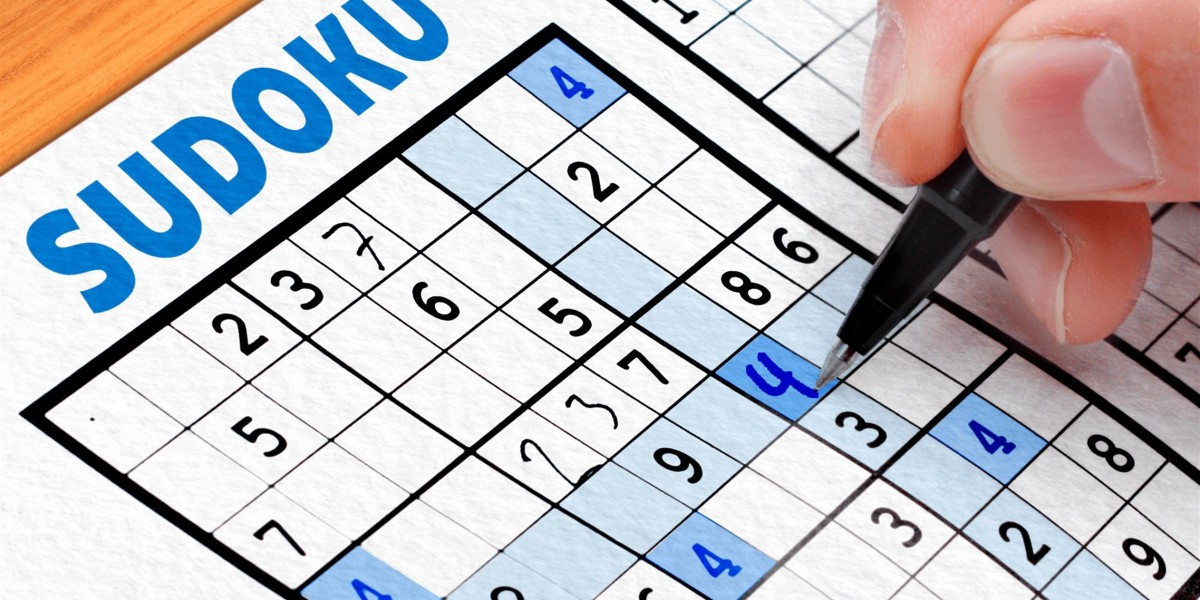

If you look at my phone right now, you won’t find many games. I delete them quickly. Most feel exciting for a day or two, then fade into digital clutter. But Sudoku is the exception. Somehow, this quiet logic game earned a permanent spot in my routine. Not because it’s trendy or flashy, but because it fits into my life in a way few games ever have.
This isn’t a technical breakdown or a “how to master Sudoku” guide. It’s just my personal experience—what it feels like to play, why I keep coming back, and what I’ve learned from staring at a grid of numbers more often than I’d like to admit.
My First Real Encounter With Sudoku
I’d seen Sudoku puzzles everywhere long before I actually played them. Newspapers. Magazines. Random books in waiting rooms. I always assumed they were for people who enjoyed quiet afternoons and strong reading glasses.
Turns out, I was wrong.
Starting Small and Feeling Confident
My first Sudoku puzzles were beginner-level. Simple. Friendly. Almost welcoming. I filled in numbers quickly and felt smart doing it. That early confidence was important—it made the game feel accessible instead of intimidating.
But Sudoku has a funny way of letting you win before it humbles you.
When the Game Pushes Back
The first medium-level Sudoku puzzle I tried completely changed my attitude. Suddenly, guessing didn’t work. Speed didn’t help. I had to slow down and actually think. That moment marked the beginning of a deeper relationship with the game.
What Makes Sudoku So Addictive
I’ve asked myself this question more than once. Why Sudoku, of all games?
Simple Rules, Endless Depth
Sudoku rules are almost laughably simple. Fill the grid so that numbers don’t repeat. That’s it. No story. No characters. No upgrades.
And yet, each Sudoku puzzle feels different. Some feel friendly. Others feel stubborn. A few feel like they’re testing your patience on purpose.
That balance between simplicity and depth is what makes Sudoku hard to put down.
A Perfect Match for Short Breaks
One thing I love about Sudoku is flexibility. You can play for five minutes or fifty. You can pause mid-puzzle and return later without losing momentum. That makes it perfect for real life—coffee breaks, commutes, quiet evenings.
The Emotional Rollercoaster of a Single Puzzle
People don’t talk enough about how emotional Sudoku can be.
The Early Optimism Phase
Every puzzle starts with hope. You see a few obvious placements. Progress feels smooth. You think, “This one won’t be too bad.”
That confidence doesn’t last long.
The Stuck-in-the-Middle Phase
This is where Sudoku becomes psychological. The grid fills up, but no clear moves appear. You start doubting yourself. You recheck everything. You consider guessing, even though you know better.
This phase taught me patience more than any motivational quote ever could.
The Final Breakthrough
When the solution finally reveals itself, it’s rarely dramatic. It’s subtle. One number leads to another, and suddenly the puzzle collapses into order. The satisfaction is quiet but deep—the kind that makes you exhale without realizing you were holding your breath.
How Sudoku Reflects My Mental State
The longer I played Sudoku, the more I noticed something unexpected: my mood shows up in how I play.
Focused Days Feel Effortless
On calm, focused days, Sudoku puzzles flow naturally. I spot patterns quickly. I trust my decisions. Progress feels steady and logical.
Stressful Days Change Everything
On anxious or tired days, I rush. I second-guess correct moves. I miss obvious clues. The same Sudoku puzzle feels twice as hard—not because it changed, but because I did.
That awareness alone made me more mindful, both in the game and outside it.
Mistakes, Notes, and Letting Go of Pride
I used to hate making mistakes in Sudoku. Every wrong move felt like proof I wasn’t good enough.
Learning to Use Notes Properly
Notes felt messy at first. I wanted clean grids and perfect logic. Eventually, I realized that notes are just thinking made visible. Once I embraced them, harder Sudoku puzzles became less intimidating.
Accepting Undo as Part of Learning
Using undo felt like cheating. Now I see it as feedback. Sudoku isn’t about being perfect—it’s about understanding why something works or doesn’t.
That mindset shift made the game far more enjoyable.
My Favorite Sudoku Mindset Shift
If I had to share one lesson that changed how I play Sudoku, it would be this:
Eliminate Before You Decide
Instead of searching desperately for the right number, I focus on eliminating wrong ones. This reduces pressure and keeps the process logical instead of emotional.
Sudoku rewards careful observation far more than bold guessing.
When Sudoku Stopped Being About Winning
There was a time when I cared too much about difficulty levels. I wanted to beat the hardest Sudoku puzzles just to prove I could.
Burning Out on Hard Puzzles
Playing only expert-level Sudoku drained the fun out of it. I became impatient. Frustrated. Defensive.
Stepping back and mixing easy, medium, and hard puzzles based on my mood brought the joy back.
Why Sudoku Still Matters to Me
Sudoku didn’t turn me into a genius. It didn’t magically fix my attention span. But it did give me something rare: a quiet space to think.
A Game That Respects Your Pace
Sudoku doesn’t rush you. It doesn’t punish you for pausing. It waits. That patience feels refreshing in a world that constantly demands speed.
Small Wins That Actually Feel Good
Completing a tough Sudoku puzzle gives me a sense of order. Not excitement—order. And sometimes, that’s exactly what I need.
Final Thoughts
Sudoku became part of my life not because it’s perfect, but because it’s honest. It reflects how I think, how I rush, how I slow down, and how I learn.