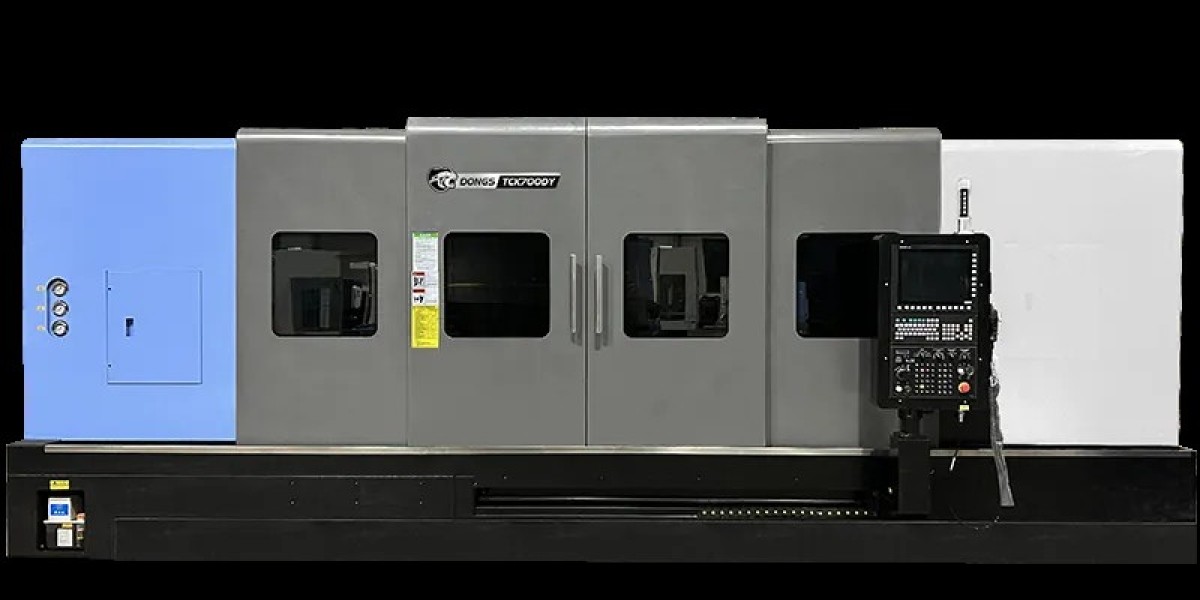

In the ever-evolving landscape of CNC machining, turning centers have emerged as a pivotal innovation that is reshaping the industry. These advanced machines not only enhance productivity but also significantly improve precision and versatility in manufacturing processes. As businesses strive to meet the demands of a competitive market, understanding the advantages of turning centers becomes essential for achieving operational excellence.
Enhanced Precision and Accuracy
Turning centers are designed to provide unparalleled precision in machining operations. By integrating advanced technology, these machines can execute complex geometries with remarkable accuracy, reducing the margin for error. This level of precision is crucial for industries such as aerospace, automotive, and medical devices, where tolerances must be tightly controlled. With turning centers, manufacturers can produce intricate parts that meet stringent quality standards, ensuring customer satisfaction and compliance with industry regulations.
Increased Efficiency and Productivity
One of the standout features of turning centers is their ability to streamline production processes. By combining multiple machining operations—such as turning, drilling, and milling—into a single setup, these machines significantly reduce cycle times. This efficiency not only accelerates production but also minimizes the need for multiple setups, thereby saving valuable time and resources. As a result, businesses can increase their output and respond more swiftly to market demands, giving them a competitive edge.
Versatility Across Applications
Turning centers are remarkably versatile, capable of handling a wide range of materials and applications. From metals to plastics, these machines can adapt to various machining requirements, making them suitable for diverse industries. Furthermore, the ability to perform both CNC turning and milling operations allows manufacturers to produce complex parts in a single setup, enhancing flexibility in production. This versatility is particularly beneficial for job shops that cater to multiple clients with varying needs.
Cost-Effectiveness and Reduced Waste
Investing in turning centers can lead to significant cost savings for manufacturers. The reduction in cycle times and the minimization of setups translate into lower labor costs and increased machine utilization. Additionally, the precision of turning centers helps to reduce material waste, as parts are produced with fewer defects. This cost-effectiveness not only improves profit margins but also contributes to a more sustainable manufacturing process, aligning with the growing emphasis on environmental responsibility.
Future-Proofing Manufacturing Operations
As technology continues to advance, turning centers are evolving to incorporate the latest innovations, such as automation and smart manufacturing capabilities. This adaptability ensures that manufacturers can stay ahead of the curve and meet the changing demands of the industry. By investing in turning centers, companies position themselves for future growth, leveraging technology to enhance their operations and maintain a competitive advantage.
In conclusion, turning centers represent a transformative force in CNC machining, offering numerous advantages that can significantly enhance manufacturing capabilities. From improved precision and efficiency to versatility and cost-effectiveness, these machines are essential for businesses looking to thrive in a competitive landscape. Embracing the benefits of turning centers not only drives operational excellence but also positions manufacturers for long-term success in the evolving market.