
Surgical precision relies heavily on the instruments a surgeon chooses, and few tools are as fundamental as the needle holder. While often overlooked by laypeople, the needle driver is an extension of the surgeon's hand, critical for suturing wounds and ensuring proper tissue healing. Selecting the right instrument can significantly impact the speed and accuracy of a procedure. At New Med Instruments, we understand that healthcare professionals require tools that offer superior grip, balance, and durability. Our commitment is to provide surgeons and students worldwide with instruments that enhance their ability to deliver perfect results for their patients.
The Role of Jaw Texture in Needle Stability
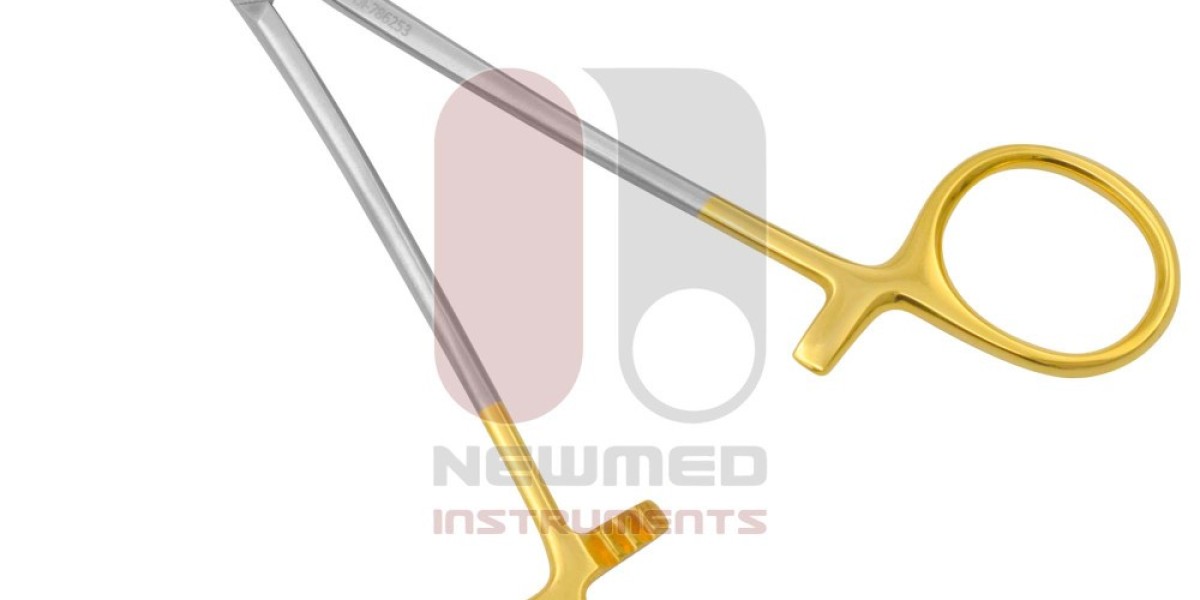
One of the most defining characteristics of any needle driver is the texture of its jaws. Smooth jaws are typically used for very delicate needles, such as those used in plastic surgery or microsurgery, to prevent damage to fine suture materials. Conversely, serrated jaws provide a stronger grip for heavier needles used in general surgery or orthopedics. Tungsten carbide inserts are a popular choice among experienced surgeons because they offer exceptional durability and a firmer grip on the needle, preventing rotation during suturing. Choosing the correct jaw texture ensures that the needle remains stable throughout the stitch, reducing hand fatigue and improving surgical outcomes.
Why Size and Length Matter for Surgical Access
The physical dimensions of a needle driver must match the depth and location of the surgical site. For superficial wounds, a shorter instrument offers better control and maneuverability. However, deep cavity procedures, such as those in thoracic or abdominal surgery, require longer shafts to reach the tissue without obstructing the surgeon's view. A mismatched size can lead to awkward hand positioning or difficulty in driving the needle through tough tissue. New Med Instruments offers a diverse range of sizes to ensure that every healthcare professional can find the perfect fit for their specific procedural needs, maintaining comfort and precision regardless of the surgical context.
Locking Mechanisms and Hand Fatigue
Most standard needle holders feature a ratchet locking mechanism located near the finger rings. This allows the surgeon to clamp the needle firmly in place without maintaining constant manual pressure, which is essential for preventing hand cramps during long operations. However, some specialized versions, like the Castroviejo needle driver, utilize a spring-loaded handle that allows for quick release and re-grasping with subtle finger movements. This design is particularly favored in microsurgery where delicate, repetitive motions are required. Understanding the nuances of these locking mechanisms helps surgeons select a tool that complements their technique and minimizes strain during complex closures.
Investing in Quality with New Med Instruments
The longevity and reliability of surgical tools are paramount for any medical facility. A high-quality needle driver should resist corrosion, maintain its alignment after repeated sterilization cycles, and keep its grip secure over time. Inferior instruments can slip, damage needles, or fail during critical moments, compromising patient safety. New Med Instruments prides itself on superior service and manufacturing excellence, ensuring that every instrument we supply meets rigorous professional standards. By choosing our tools, surgeons and students invest in precision, durability, and the peace of mind that comes from using equipment designed for excellence.