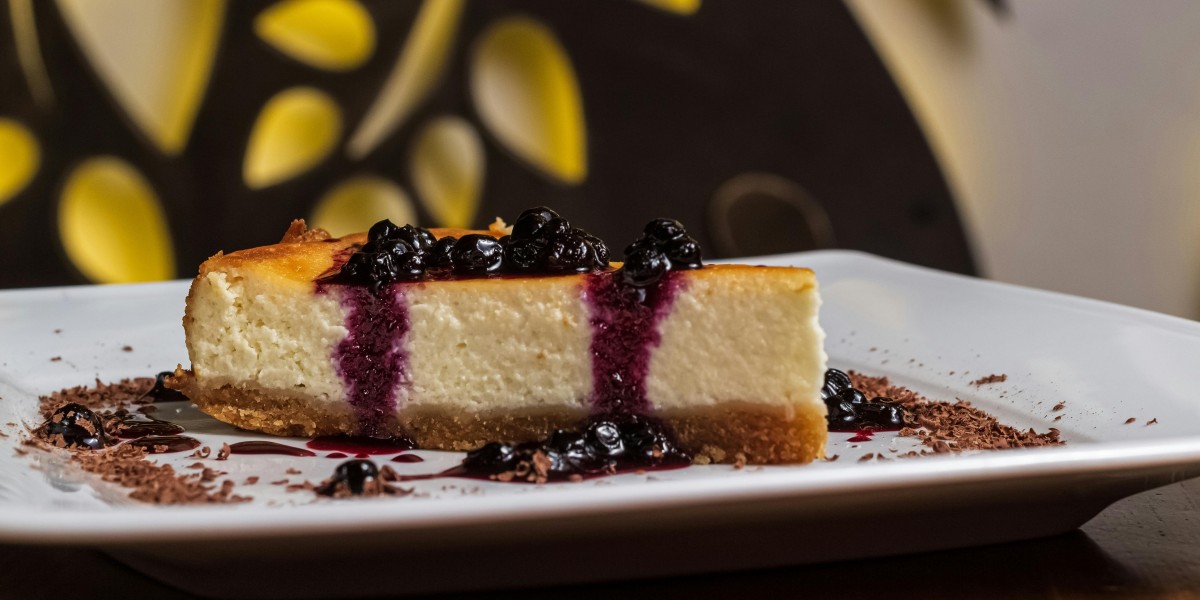

Alcohol-infused desserts are now a strong trend in premium baking. When done with care, alcohol brings depth, warmth, and a refined taste to bold cheesecake recipes without damaging texture or balance. This guide explains, in a clear and practical way, how to safely add alcohol to cheesecake fillings while keeping the result smooth, rich, and professionally finished. Every step focuses on control, clarity, and quality, helping cheesecake stand above ordinary desserts.
The Role of Alcohol in Cheesecake Fillings
Alcohol works as a flavor carrier. It lifts aroma and enhances taste, especially in creamy desserts. Cheesecake is an ideal base because cream cheese absorbs alcohol smoothly and softens sharp notes. The goal is not to taste alcohol first, but to feel a deeper, richer flavor overall.
Alcohol should always support the cheesecake, never dominate it. Balanced use creates a dessert that feels elegant, not harsh.
Selecting the Right Alcohol for Cheesecake
Not every alcohol fits cheesecake. Some blend naturally, while others overpower the filling.
Best Alcohol Options for Cheesecake
Creamy liqueurs for smooth sweetness
Dark spirits for warm, deep flavor
Dessert wines for gentle richness
Liqueurs are the safest choice because they are mild and already sweet. Strong spirits must be measured carefully to avoid bitterness.
Safe Alcohol Quantity for Cheesecake Batter
Precision matters. Cheesecake batter depends on balance, and excess liquid can weaken structure.
Recommended Measurements
1 tablespoon alcohol per 225 g (½ lb) cream cheese
Maximum ¼ cup alcohol for a full-size cheesecake
This level delivers clear flavor without affecting baking time or firmness.
Correct Mixing Stage for Alcohol Addition
The order of mixing controls texture and smoothness.
Best Mixing Process
Beat cream cheese until fully smooth
Add sugar and mix evenly
Add alcohol slowly while mixing
Add eggs last, one at a time
This method ensures even distribution and prevents curdling.
How Alcohol Affects Cheesecake Texture
Alcohol slightly thins batter. This effect is manageable with the right adjustments.
Texture Control Guidelines
Reduce other liquids if needed
Mix slowly to avoid air
Bake at a low, steady temperature
Using a water bath helps protect the cheesecake from cracks and sinking.
Cooking Alcohol Before Use
Some recipes benefit from cooking alcohol before adding it to the batter.
Benefits of Cooking Alcohol
Softer flavor
Less sharpness
Reduced alcohol strength
Simmer alcohol for 2–3 minutes, then cool completely before use. This keeps aroma while smoothing taste.
Flavor Pairing for Alcohol Cheesecake
Pairing alcohol with the right flavors defines quality.
Reliable Pairings
Bourbon with vanilla and brown sugar
Rum with chocolate or coconut
Amaretto with almond or cherry
Coffee liqueur with cocoa
Orange liqueur with citrus zest
Each pairing should feel balanced and natural.
Alcohol Use in No-Bake Cheesecake Fillings
No-bake cheesecakes require stricter control because alcohol does not bake out.
No-Bake Safety Rules
Use only liqueurs
Limit alcohol to 1 tablespoon
Increase chilling time
Alcohol softens no-bake fillings, so patience is essential for clean slices.
Common Errors That Ruin Boozy Cheesecake
Avoiding mistakes protects texture and flavor.
Mistakes to Avoid
Adding alcohol directly to eggs
Using harsh or cheap alcohol
Baking at high heat
Skipping slow cooling
Every step should be calm and controlled.
Professional Techniques for Smooth Cheesecake
Small techniques separate average cheesecake from premium quality.
Professional Practices
Use room-temperature ingredients
Mix at low speed
Scrape bowl sides often
Let batter rest briefly before baking
These steps remove trapped air and improve texture.
Cooling and Setting the Cheesecake
Cooling is part of the baking process.
Proper Cooling Method
Turn off oven and crack door for one hour
Cool completely at room temperature
Chill overnight in the refrigerator
Alcohol flavor deepens during chilling, improving taste.
Storage and Shelf Stability
Alcohol-based cheesecake stores well when handled correctly.
Storage Guidelines
Refrigerate up to 5 days
Freeze up to 1 month
Wrap tightly to protect aroma
Flavor often improves after the first day.
Serving Alcohol-Infused Cheesecake Responsibly
Clear labeling is essential.
Serving Best Practices
Inform guests about alcohol content
Avoid serving to children
Use cooked alcohol when needed
Responsible presentation builds trust and professionalism.
Why Boozy Cheesecake Delivers Higher Value
Alcohol-infused cheesecake offers:
Richer flavor
Premium appeal
Strong visual and taste impact
It fits upscale menus, events, and gourmet audiences.
Final Word on Boozy Cheesecake Fillings
Adding alcohol to cheesecake fillings is a controlled craft. When done with precision, it creates desserts that feel refined, balanced, and memorable. Careful measurement, smart pairing, and gentle baking transform cheesecake into a premium product that outperforms standard desserts in flavor, quality, and appeal.