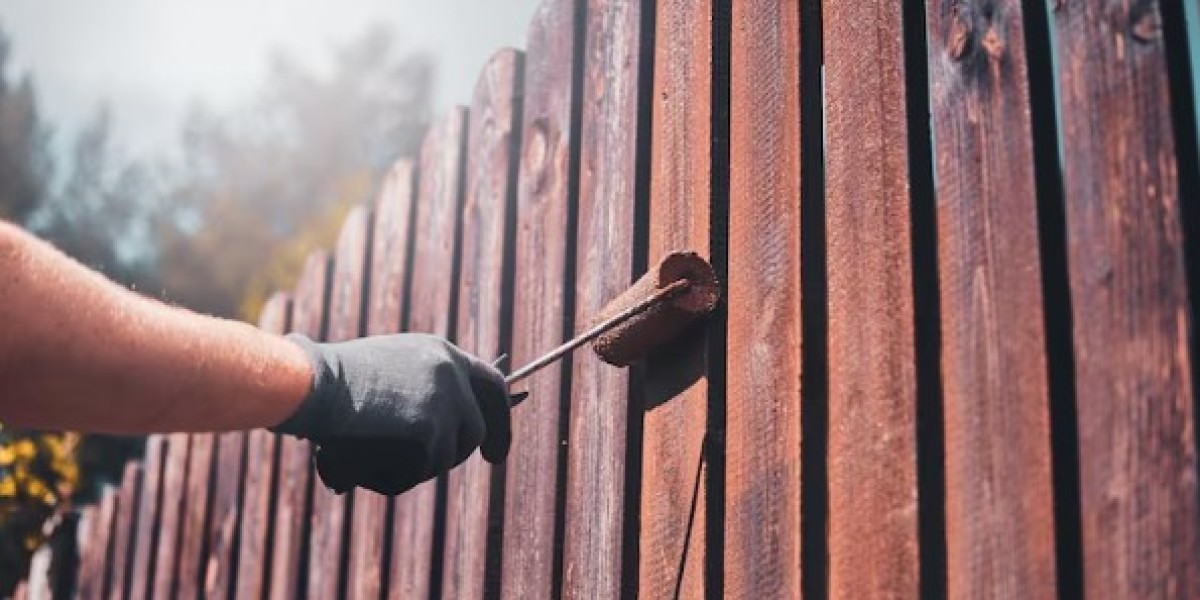

A well-maintained wood fence is more than just a boundary marker—it is a statement of style, a boost to your property’s curb appeal, and a protective barrier against weather and wear. Among the various methods to care for and enhance your fence, wood fence staining stands out as both a practical and aesthetic choice. Unlike paint, which sits on top of the wood, stain penetrates the wood fibers, offering protection while highlighting the natural grain and texture of the timber.
Why Wood Fence Staining Matters
Wood is a living material that expands and contracts with changing temperatures and humidity. Over time, exposure to sunlight, rain, and wind can cause it to crack, warp, or fade. Wood fence staining serves multiple purposes:
- Protection Against Elements: High-quality wood stains create a barrier that helps repel water and resist damage from UV rays. This prevents the wood from drying out, cracking, or developing mildew.
- Enhanced Appearance: Stains enrich the wood’s natural color, highlighting grains and textures. With a wide array of tones—from natural cedar to deep walnut—you can choose a shade that complements your home’s exterior.
- Longevity: Regular staining extends the life of your fence. While an untreated fence might last 10–15 years depending on the type of wood, a properly stained fence can last decades longer.
Staining is particularly important for fences made of softer woods like pine, which are more prone to weathering. Hardwoods such as redwood or cedar are naturally more resistant, but even they benefit from periodic staining to maintain their rich color and prevent graying.
Preparing for a Successful Wood Fence Staining
Preparation is key to a professional-looking finish. Before applying stain, there are several steps homeowners should follow:
- Clean the Fence: Dirt, mildew, and previous finishes must be removed. Pressure washing is an effective method, but be cautious not to damage the wood fibers. For a gentler approach, scrubbing with a wood cleaner works well.
- Repair Damaged Areas: Check for loose boards, nails, or splintered sections. These should be fixed before staining, as the stain will highlight imperfections rather than hide them.
- Choose the Right Stain: Stains come in transparent, semi-transparent, and solid options. Transparent stains let the natural grain shine, while solid stains provide a paint-like finish that offers maximum UV protection. Consider your aesthetic goals and the climate in your area when selecting a product.
Once your fence is clean, dry, and repaired, it’s ready for staining. For optimal results, stain should be applied when the wood is completely dry, typically 24–48 hours after cleaning.
The Staining Process
Applying wood fence stain might seem straightforward, but achieving a uniform finish requires attention to technique. Here’s a step-by-step guide:
- Tools and Equipment: You can apply stain with a brush, roller, or sprayer. Brushes allow for more control and better penetration into the wood grain, while sprayers speed up the process but may require back-brushing to avoid uneven coverage.
- Start at the Top: Work from the top down to prevent drips from marring the finished surface. Apply thin, even coats, ensuring the wood absorbs the stain without pooling.
- Multiple Coats: Some fences may benefit from two coats, especially when switching from a light to a darker shade. Follow the manufacturer’s instructions regarding drying times between coats.
- Final Touches: After the stain has dried completely, inspect the fence for missed spots or uneven areas and touch up as necessary.
Maintenance Tips
Even after staining, your fence requires periodic maintenance to keep it looking its best. Inspect the wood annually for signs of wear, such as fading or peeling. Depending on exposure, most fences benefit from a re-staining every 2–3 years. Cleaning the fence regularly, trimming nearby vegetation, and ensuring proper drainage will also prolong its life.
Why Choose Professional Wood Fence Staining in Austin, TX
Homeowners in Austin, Texas, face unique challenges when it comes to wood fence care. The region experiences hot summers, intense sunlight, and occasional heavy rain, all of which can accelerate wood deterioration. This is where wood fence staining Austin TX services provide a significant advantage.
Professional stainers in Austin have the experience and tools to deliver long-lasting results. They can assess the type of wood, the condition of your fence, and the ideal stain product to ensure maximum protection against the local climate. Additionally, hiring professionals saves time and reduces the risk of errors that can compromise the fence’s appearance and durability.
Choosing the Right Wood Fence Staining Service
When seeking wood fence staining Austin TX, consider the following factors:
- Experience and Reputation: Look for contractors with a track record of successful residential projects and positive customer reviews.
- Quality of Materials: Ask about the types of stains and finishes they use. High-quality products may cost more upfront but save money in the long term by extending the life of your fence.
- Warranty and Service: Reliable services often provide warranties for their work and offer maintenance advice to ensure your fence remains protected for years.
- Custom Solutions: A good staining service will consider your aesthetic preferences, choosing colors and finishes that complement your home and landscaping.
Benefits of Investing in Quality Staining
Investing in professional wood fence staining Austin TX not only enhances your home’s curb appeal but also protects your property value. A well-maintained fence conveys attention to detail and pride of ownership, which can be especially important if you plan to sell your home in the future. Moreover, staining prevents costly repairs by reducing wood decay, warping, and insect damage.
Conclusion
Whether you are a DIY enthusiast or a homeowner looking for professional results, understanding the importance of wood fence staining is essential. Proper preparation, application, and maintenance extend the life of your fence, enhance its beauty, and protect your investment. For those living in areas like Austin, where the climate can be harsh on wood structures, leveraging professional wood fence staining Austin TX services ensures your fence remains a durable and attractive feature for years to come.
Investing in wood fence staining today is not just about aesthetics—it’s about safeguarding your property and enjoying a fence that looks great and performs well for decades. By choosing the right stain, applying it carefully, and maintaining it over time, you can transform your fence from a simple boundary into a striking and enduring part of your home’s landscape.