
How Lab Grown Diamonds Are Made
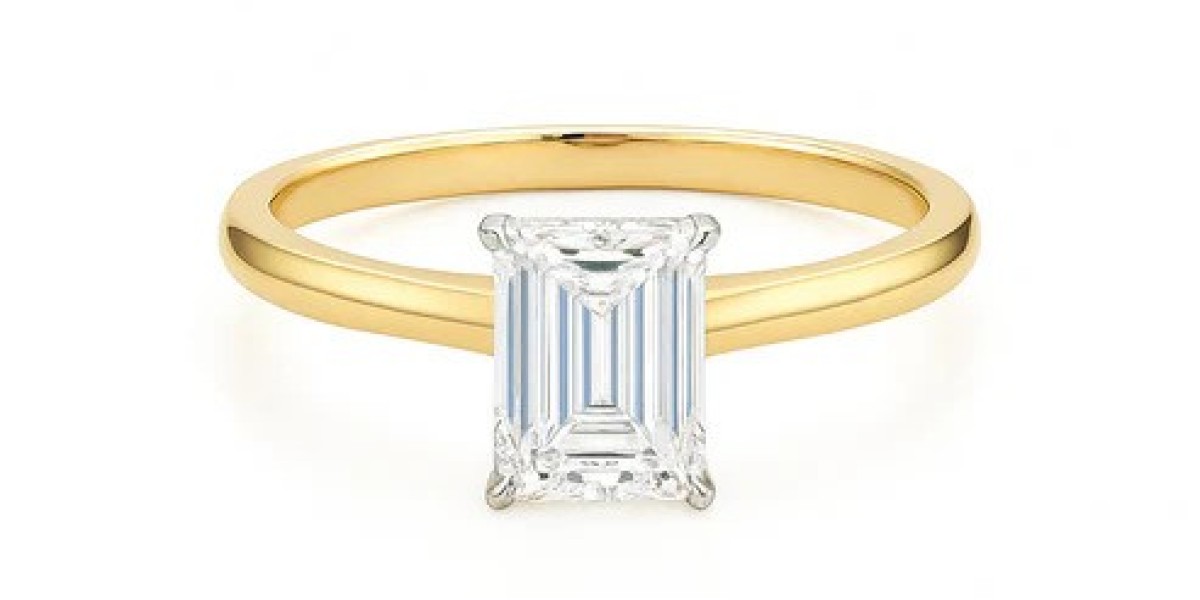
Most folks wonder how lab grown diamonds come into being once they hear the name. Instead of pulling them from deep underground, scientists build them atom by atom in controlled spaces. Though some think these stones lack authenticity, they match natural ones down to every tiny detail. Because extreme heat and pressure shape carbon just like Earth does over centuries, what emerges shines identical. Even experts need tools to tell them apart since both feel hard, last long, and glitter sharply. Only origin separates them - one rises through volcanic paths, the other in quiet rooms full of precision machines.
Few ways exist to make diamonds in labs, yet only two stand out clearly. One pushes carbon under intense heat and pressure - much like deep underground conditions. Another uses a chamber where gas splits apart, layering diamond atom by atom. Each path differs sharply in setup and result. Understanding them does not require science at all.
HPHT Method Explained?
Deep underground, real diamonds form over time under intense heat and pressure. A tiny piece of diamond gets loaded into a powerful machine. This setup copies those extreme earth conditions where gems grow. Carbon begins to stick when things get hot and squeezed hard. The crystal grows slowly as material adds onto the original slice. Nature's recipe runs on power and tight squeeze - this mimics it well.
A single layer adds to the next, slowly building up the stone. Though made in labs with high pressure and heat, these gems match mined ones in look and toughness. Years have passed since its start, yet people keep coming back to it. The process sticks around because it just works.
Some jewelers pick HPHT when selling lab diamonds since it creates gems clear and bright enough for elegant pieces. High pressure methods stand out where detail matters most.
Understanding the CVD Technique?
Imagine a tiny diamond tucked inside a tight room full of carbon-heavy air. That setup describes CVD - short for Chemical Vapor Deposition - a newer way to grow stones. Heat turns the gas active, freeing bits of carbon. These pieces drift down, layering onto the original fragment bit by bit. Over days, what emerges is a real diamond built atom by atom.
Few methods match the fine tuning possible with CVD, so diamonds grown this way tend to show remarkable clearness and even composition. That level of accuracy makes them a top pick across high-end lab created diamond pieces.
HPHT Compared With CVD?
It turns out both ways actually make genuine diamonds. At first glance, spotting a distinction between HPHT and CVD stones is nearly impossible. What really shapes the outcome isn’t how they’re grown but things such as color, clarity, precision of cut, plus proper grading reports. Though made differently, their appearance ends up shaped by these details instead.
Above all else, buyers care about certification and solid quality when picking a stone. No matter if it's made through HPCT or CVD methods, a lab grown diamond holds its own in sparkle and strength just like one pulled from the earth.
Finding Lab Grown Diamonds Nearby
Nowadays you can get lab diamonds without much effort. A number of well-known jewelry stores carry verified ones, so typing “Lab Grown Diamond near me” brings up solid choices nearby. Because prices are clear and each stone comes with an official report, picking one feels straightforward. Trust builds easily when everything is out in the open.
Understanding How Things Work
Most folks feel better picking Lab Grown Diamonds once they see how they’re made. Myths fade when facts show up. High pressure, high temperature methods do it one way - chemical vapor deposition takes another path entirely. These stones come from progress, not pits in the ground. Trust grows when choices align with values. Fancy doesn’t need fuss anymore.
With attention rising, folks now pick lab made stones - less about sparkle, more tied to what they stand for.