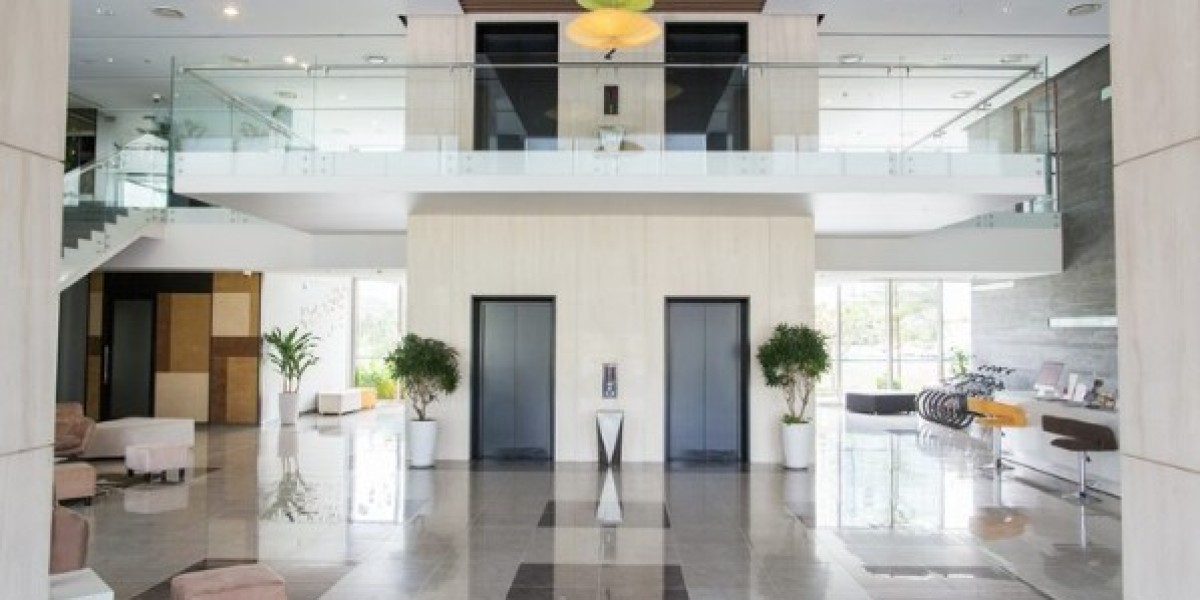

In the competitive world of hotels, resorts, and other hospitality establishments, first impressions are everything. A guest’s experience is heavily influenced by the environment they encounter, making the physical space of a hotel or restaurant just as important as the service provided. This is where hospitality renovation becomes a strategic tool, enabling property owners to modernize facilities, attract new clientele, and maintain a competitive edge.
Understanding Hospitality Renovation
Hospitality renovation refers to the process of upgrading, remodeling, or completely transforming a hotel, resort, restaurant, or any establishment in the hospitality sector. Unlike simple maintenance, renovation is often a significant investment aimed at enhancing aesthetics, improving functionality, and meeting evolving guest expectations. Whether it’s a luxury hotel seeking a contemporary feel or a boutique inn aiming to refresh its charm, renovation projects can vary in scope—from minor interior refurbishments to complete structural overhauls.
A successful hospitality renovation goes beyond just appearances. It considers the operational efficiency of spaces, guest comfort, safety standards, and energy efficiency. The goal is to create an environment that is visually appealing, functional, and aligned with the brand’s identity.
Key Drivers for Hospitality Renovation
- Changing Guest Expectations
Guests today are more discerning than ever. With access to online reviews and social media, they expect a modern, clean, and comfortable environment. Outdated decor, worn furniture, or poorly designed layouts can negatively impact guest satisfaction. Renovation allows establishments to meet these expectations and enhance the overall guest experience. - Competitive Advantage
The hospitality industry is highly competitive. Properties that fail to update their facilities risk losing guests to newer, trendier options. Renovation helps hotels and restaurants differentiate themselves, providing unique experiences that encourage repeat visits and positive word-of-mouth recommendations. - Technological Advancements
Modern hospitality facilities increasingly rely on technology, from smart room controls and energy-efficient lighting to advanced security systems. Renovation provides an opportunity to integrate these technologies seamlessly, improving both guest convenience and operational efficiency. - Regulatory Compliance and Safety
Building codes, safety regulations, and accessibility standards evolve over time. Renovation ensures that a property remains compliant with local regulations, reducing liability risks while creating a safe and welcoming environment for all guests.
Elements of a Successful Hospitality Renovation
To achieve a meaningful transformation, hospitality renovation must address several core elements:
- Design and Aesthetics
Aesthetics play a crucial role in shaping a guest’s perception. Renovation projects often involve updating color schemes, furniture, lighting, and décor to align with current design trends and the brand’s identity. Attention to detail, such as luxurious fabrics, polished finishes, and artistic touches, can significantly elevate the guest experience. - Functionality and Layout
Spaces in the hospitality sector must be both attractive and practical. Renovation often includes rethinking layouts to optimize traffic flow, increase seating capacity in restaurants, improve check-in areas in hotels, and create multifunctional spaces that cater to various guest needs. - Sustainability and Energy Efficiency
Modern guests increasingly value eco-friendly practices. Incorporating energy-efficient lighting, water-saving fixtures, and sustainable materials during renovation not only reduces operational costs but also positions the property as environmentally responsible. - Technology Integration
From mobile check-ins to smart room controls, technology can greatly enhance the guest experience. A well-planned hospitality renovation ensures that technological upgrades are integrated discreetly, supporting both convenience and aesthetic appeal. - Quality Materials and Craftsmanship
Renovation success depends on using durable materials and skilled craftsmanship. Hotels and restaurants experience heavy foot traffic, so selecting materials that withstand wear and tear ensures longevity and maintains a polished appearance over time.
Planning a Hospitality Renovation
Proper planning is critical to ensure a smooth renovation process with minimal disruption to operations. Here are key steps involved:
- Assessment of Current Facilities
Conducting a thorough audit of existing spaces, furniture, fixtures, and infrastructure helps identify areas needing improvement and prioritize renovations based on urgency and impact. - Setting Goals and Budget
Establishing clear objectives and a realistic budget ensures that renovation efforts align with the desired outcomes. Goals might include increasing guest satisfaction scores, boosting occupancy rates, or creating Instagram-worthy spaces that attract social media attention. - Hiring Experts
Collaboration with interior designers, architects, and specialized contractors is essential. Professionals bring expertise in aesthetics, structural planning, and project management, ensuring that the renovation meets both functional and creative requirements. - Project Timeline and Phasing
Renovation projects must be scheduled carefully to minimize disruption. Phased renovations allow portions of the property to remain operational while upgrades are completed elsewhere, maintaining revenue streams and guest satisfaction. - Marketing the Transformation
Once the renovation is complete, promoting the refreshed space is crucial. High-quality visuals, virtual tours, and social media campaigns can attract attention, generate buzz, and entice both existing and new guests to experience the upgraded environment.
Benefits of Hospitality Renovation
Investing in renovation brings numerous benefits beyond aesthetics:
- Enhanced Guest Experience: Modern, comfortable spaces improve satisfaction and loyalty.
- Increased Revenue: Upgraded amenities can justify premium pricing and attract higher-spending guests.
- Brand Reinforcement: Renovation provides an opportunity to strengthen brand identity through design and services.
- Operational Efficiency: Modern layouts and technology streamline operations and reduce maintenance costs.
- Market Competitiveness: Renovated properties stand out in a crowded market, attracting new clientele and positive reviews.
Challenges and Considerations
While hospitality renovation offers significant advantages, it also presents challenges:
- Cost Management: Renovations can be expensive. Balancing quality improvements with budget constraints is critical.
- Operational Disruption: Construction can impact daily operations. Phased renovations or temporary closures may be necessary.
- Design Consistency: Integrating new elements with existing architectural features requires careful planning to maintain a cohesive look.
- Regulatory Hurdles: Compliance with building codes, safety regulations, and permits can complicate timelines.
Conclusion
In today’s hospitality landscape, staying stagnant is not an option. Hospitality renovation is no longer just about aesthetics—it is a strategic investment in guest experience, operational efficiency, and brand positioning. By carefully planning and executing renovation projects, property owners can transform their spaces into modern, functional, and inviting environments that delight guests and sustain long-term success.
Whether it’s a boutique inn refreshing its charm, a luxury hotel embracing cutting-edge design, or a restaurant upgrading its ambiance, renovation ensures that hospitality spaces remain vibrant, relevant, and profitable in a highly competitive industry. Investing in renovation today is an investment in the lasting impression your guests will carry—and the reputation your brand will build—tomorrow.