
In the realm of modern architecture, the design of stadiums has evolved significantly, with steel structures playing a pivotal role in this transformation. As cities around the globe strive to create iconic venues that host major sporting events and concerts, the use of steel has emerged as a game changer. This article explores how steel structures are not only enhancing the aesthetic appeal of stadiums but also improving their functionality and sustainability.
The Aesthetic Appeal of Steel Structures
Steel structures offer unparalleled design flexibility, allowing architects to create visually stunning stadiums that captivate audiences. The strength-to-weight ratio of steel enables the construction of expansive roofs and grand facades, which can be tailored to reflect the cultural significance of the location. For instance, the innovative design of the Beijing National Stadium, also known as the Bird’s Nest, highlights how steel can be used to create a striking architectural statement while providing the necessary support for large crowds. The ability to incorporate unique shapes and forms through steel construction has led to the emergence of iconic stadiums that enhance the skyline of cities.
Enhanced Durability and Safety
One of the most significant advantages of steel structures in stadium design is their durability. Steel is resistant to various environmental factors, including extreme weather conditions, making it a reliable choice for large venues. Unlike traditional materials, steel does not decay or warp, ensuring that stadiums remain safe and structurally sound for years to come. This longevity not only protects the investment made by stakeholders but also enhances the overall experience for visitors. Stadiums constructed with steel are better equipped to handle the stresses of large crowds and intense activities, thereby prioritizing safety without compromising on design.
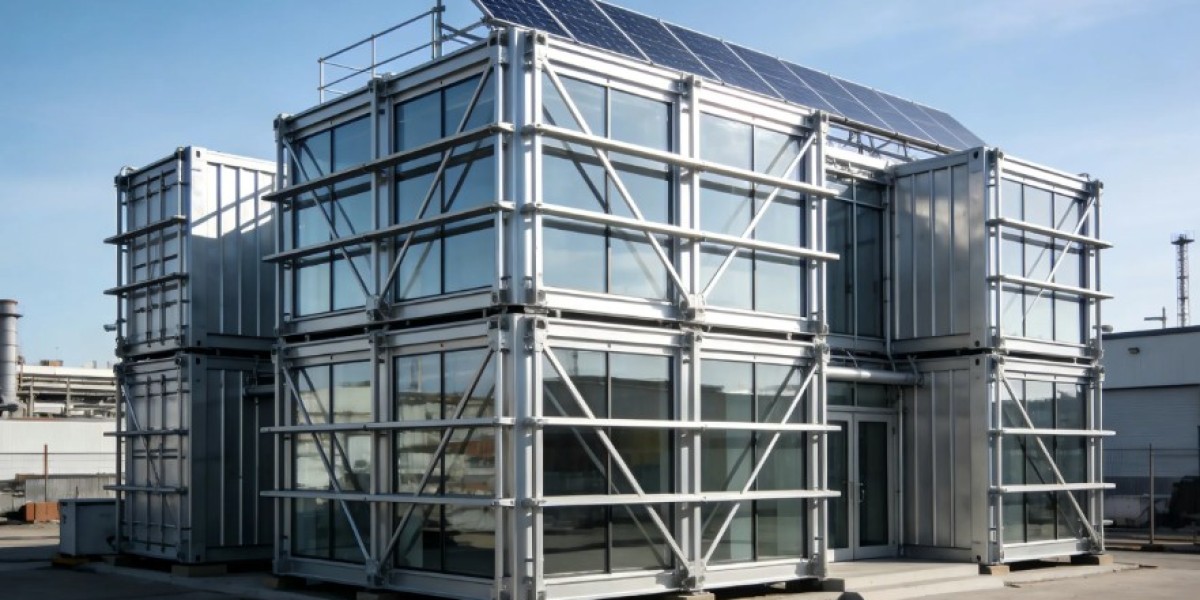
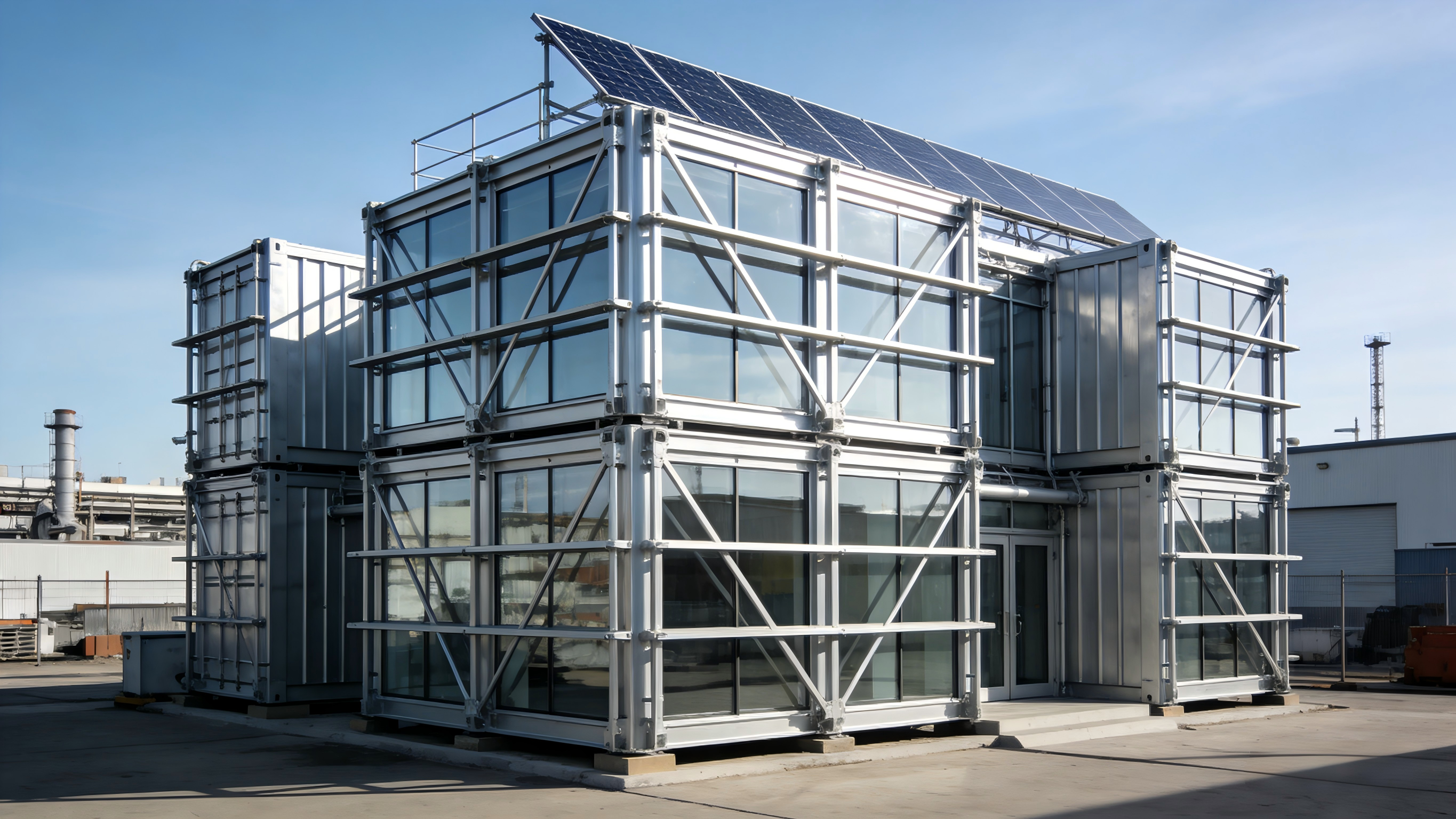
As the world becomes increasingly aware of environmental issues, the construction industry is responding with sustainable practices. Steel structures are often seen as a more sustainable option due to their recyclability and the energy efficiency of their production processes. Modern stadium designs incorporate steel in ways that minimize waste and maximize energy use. For example, many new stadiums are being built with energy-efficient systems, such as solar panels and rainwater harvesting, that work seamlessly with steel frameworks. This commitment to sustainability not only reduces the carbon footprint of stadiums but also appeals to environmentally conscious fans and sponsors.
Economic Benefits of Steel Stadiums
Investing in steel structures for stadiums can lead to significant economic advantages. The speed of construction associated with steel allows for quicker project completion, which is crucial for cities aiming to host events in a timely manner. Additionally, the versatility of steel means that stadiums can be designed for multiple uses, from sports to concerts, thereby maximizing revenue potential. Cities that embrace steel stadium designs often see increased tourism and local business growth, as these venues attract large crowds and high-profile events.
In conclusion, the impact of steel structures on stadium design is profound and multifaceted. From their aesthetic appeal and durability to their sustainability and economic benefits, steel stadiums are setting new standards in architecture. As cities continue to innovate and create spaces that resonate with their communities, the use of steel will undoubtedly play a crucial role in shaping the future of stadium design.